On This Page
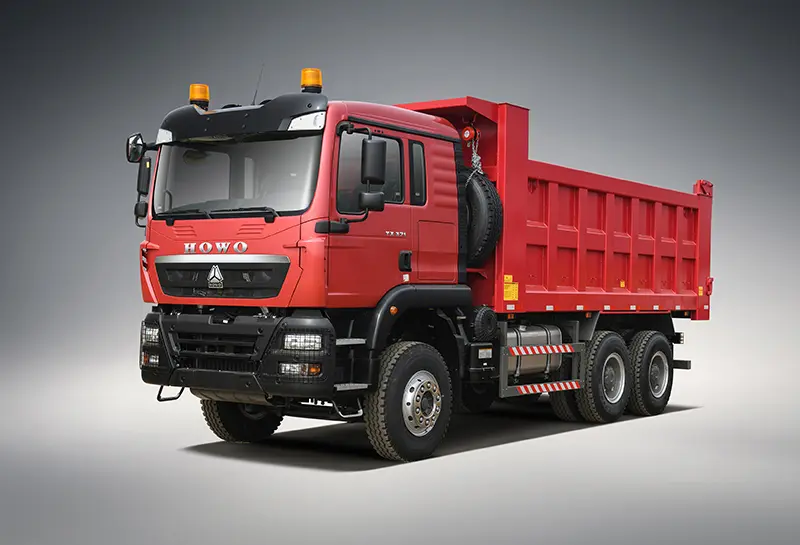
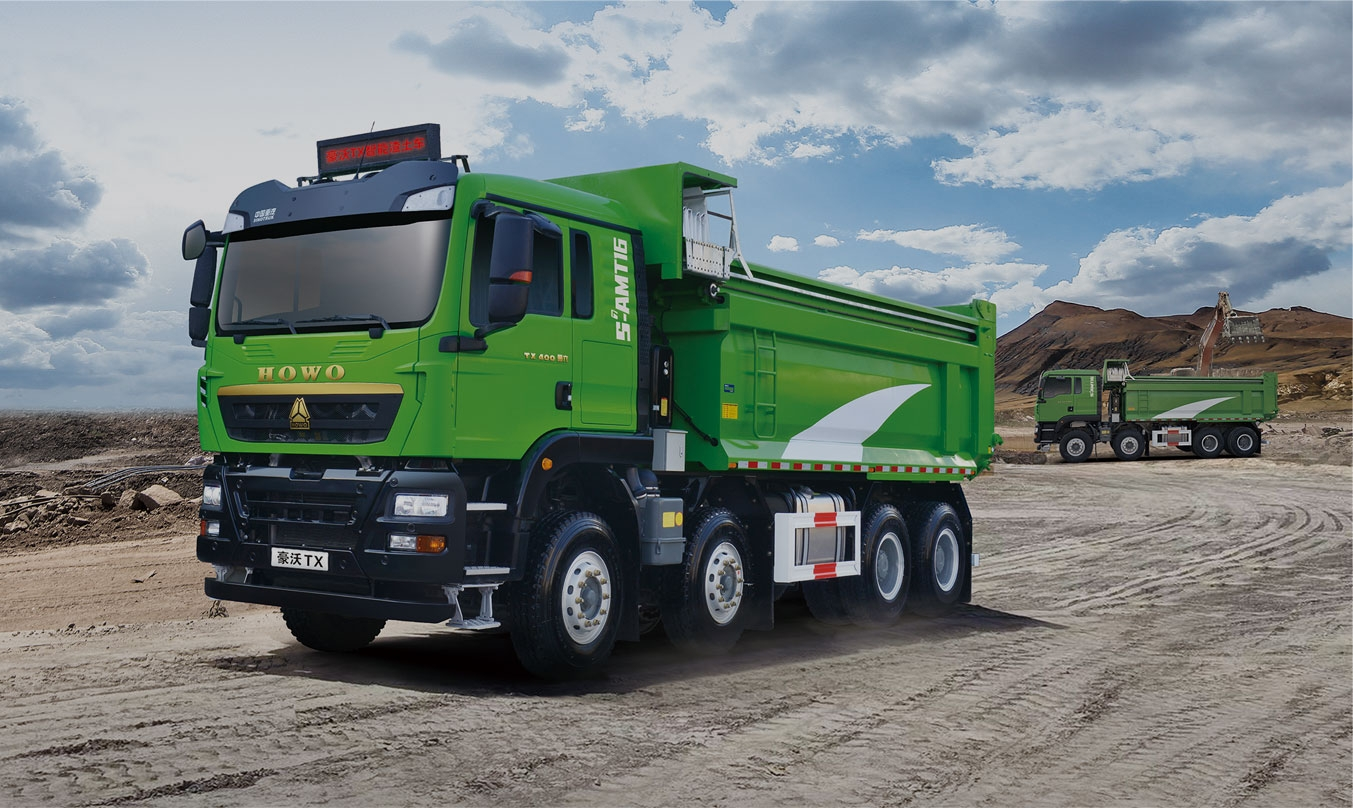
When it comes to heavy-duty construction and mining applications, few configurations are as purpose-built and rugged as the howo double i beam dump truck. This isn't just a truck; it's a workhorse engineered from the ground up to handle the most punishing loads and terrain. The defining feature, as the name suggests, is its robust double I-beam front axle. This isn't a standard beam axle. It's a massive, forged steel assembly designed for immense strength and durability, providing exceptional resistance to the twisting and bending forces encountered when carrying heavy, shifting payloads over uneven ground.
Under the hood, you'll typically find a range of powerful and reliable Sinotruk-approved engines. A common and highly regarded powerplant for these models is the WP10H series diesel engine. This 9.5-liter inline-six turbocharged engine is a marvel of modern diesel technology, often delivering between 350 to 400 horsepower and colossal torque figures exceeding 1,600 Nm. This immense low-end grunt is exactly what's needed for a dump truck, providing the pulling power to get a fully laden bed moving from a standstill on a loose grade. This power is commonly mated to a fast-shifting 10 or 12-speed manual transmission and a robust dual-reduction rear axle, creating a drivetrain combination known for its sheer resilience and ease of maintenance in remote sites.
The dump body itself is a key consideration. These bodies are constructed from high-tensile steel and are designed for a payload capacity of 20 to 30 tons, depending on the specific model and configuration. The hoist system is almost invariably a reliable telescopic cylinder design, providing a strong and stable lift to ensure efficient dumping of even the stickiest materials like clay or wet sand. The tipping angle is optimized to ensure a complete and clean discharge every time, minimizing cycle times on the job site.
Operating a machine of this caliber requires attention to detail. For owners and fleet managers, prioritizing a strict maintenance schedule is non-negotiable. Regular greasing of the chassis and hoist pivot points, frequent inspection of the I-beam axle for any signs of stress or cracking, and diligent oil and filter changes are paramount to achieving the million-plus kilometer lifespans these trucks are known for. When sourcing a howo dump truck with double i beam front axle, it's crucial to work with a reputable supplier who can provide not only the vehicle but also genuine parts and expert technical support. The initial investment is significant, but the ROI in terms of uptime, productivity, and longevity in harsh environments is what makes the HOWO double I-beam dump truck a top choice for serious professionals in the construction and mining industries.
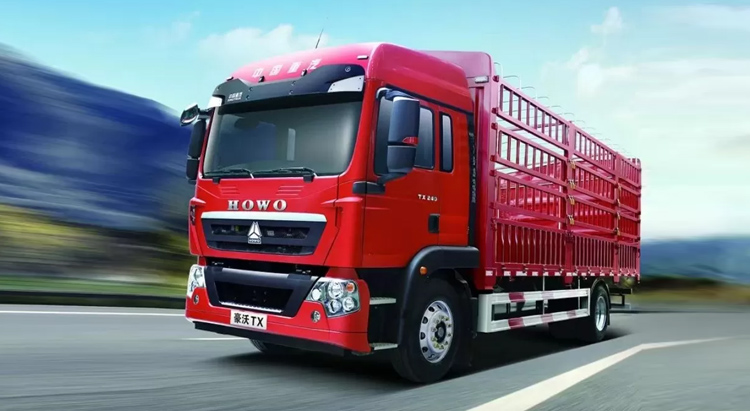
When you're looking at heavy-duty construction and mining applications, the chassis design of your dump truck becomes absolutely critical. That's where the Howo dump truck double I-beam front axle system stands out from conventional designs. Having worked directly with these trucks on mining sites across multiple continents, I can tell you this isn't just marketing speak – it's a fundamental engineering advantage that translates to real-world performance.
The double I-beam configuration essentially uses two parallel forged steel beams that work in tandem to distribute load stress more effectively. Unlike mono-beam designs that concentrate stress points, this system creates a more balanced weight distribution across the entire front assembly. What this means for operators is significantly reduced front-end maintenance and longer component life, especially when operating in rough terrain with partial or uneven loads.
From a practical perspective, here's what makes the Howo double I-beam front axle superior for dump truck operations:
Many operators specifically seek out Howo dump trucks with double I-beam axles for challenging projects because they've learned through experience that the reduced downtime more than justifies any slight premium in initial cost. The design particularly shines in applications where the truck regularly operates off-road or on poorly maintained access roads – conditions where conventional front axles might require rebuilding every 12-18 months.
Maintenance practices for these systems do differ slightly from standard axles. The dual-beam design requires attention to both beams during inspections, but in practice, I've found maintenance becomes more predictable because stress fractures develop more slowly and predictably. The most common service items are typically the bushings between the beams rather than the beams themselves, which is a relatively straightforward repair compared to addressing cracks in a mono-beam assembly.
For those considering a Howo dump truck purchase, the double I-beam option represents one of those smart investments that pays dividends over the truck's operational life. It's particularly valuable for operations that can't afford unexpected downtime or frequently operate in conditions where perfect load distribution isn't always possible. The robustness of this system consistently proves itself in the most demanding environments, from mining operations in Australia to infrastructure projects in Southeast Asia.
When specifying your next dump truck, the question shouldn't be whether you need a double I-beam front axle, but rather whether your operation can afford to be without one. The engineering advantages translate directly to operational reliability, and in heavy equipment, reliability isn't just a convenience – it's the foundation of profitability.
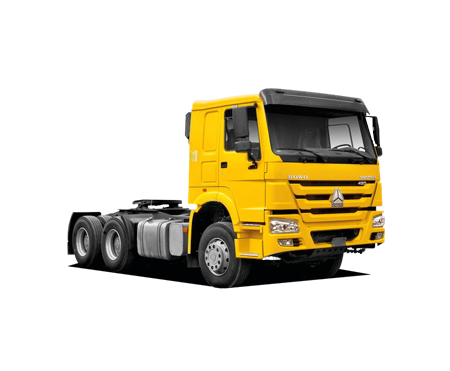
If you've been around heavy-duty trucks or construction sites, you might have heard the term double i beam truck mentioned among engineers and operators. But what exactly does it mean, and why is it such a critical feature in vehicles like those from Sinotruk Howo? Let me break it down for you based on my years of hands-on experience in the industry.
At its core, the double i beam meaning refers to a specific type of front suspension system commonly used in heavy-duty trucks. This setup utilizes two I-beam axles—shaped like the capital letter 'I'—which are renowned for their exceptional strength and durability. The design distributes weight and stress efficiently, making it ideal for off-road conditions and heavy loads. In fact, when we talk about what is a double i beam truck, we're highlighting a vehicle built to handle rugged terrains without compromising stability.
Now, you might wonder how this compares to other suspension types. The double i beam suspension is a standout because it combines robustness with flexibility. Each beam operates independently, allowing wheels to respond to uneven surfaces without transferring excessive shock to the chassis. This is why many professionals, including myself, recommend it for applications like mining, construction, and long-haul transport where reliability is non-negotiable.
From a practical standpoint, if you're considering a truck with this system—say, a Sinotruk Howo model—you'll appreciate its low maintenance needs and longevity. I've seen these trucks endure years of heavy use with minimal issues, thanks to the double i beam front axle design. It's not just about strength; it's about smarter engineering that reduces wear and tear on components like tires and joints.
For those diving deeper into technical specifics, the double i beam truck meaning also ties into enhanced safety and load capacity. By providing a wider track and better weight distribution, this suspension type improves handling and reduces the risk of rollovers. Whether you're hauling equipment or navigating rough job sites, understanding how double i beam works can help you make informed decisions for your fleet.
the double I-beam system is a hallmark of durability in the trucking world, and brands like Sinotruk Howo have mastered its integration. If you're looking for a truck that can tackle the toughest jobs, paying attention to this feature is a wise move. Feel free to reach out if you have more questions—I'm always here to share insights from the field.
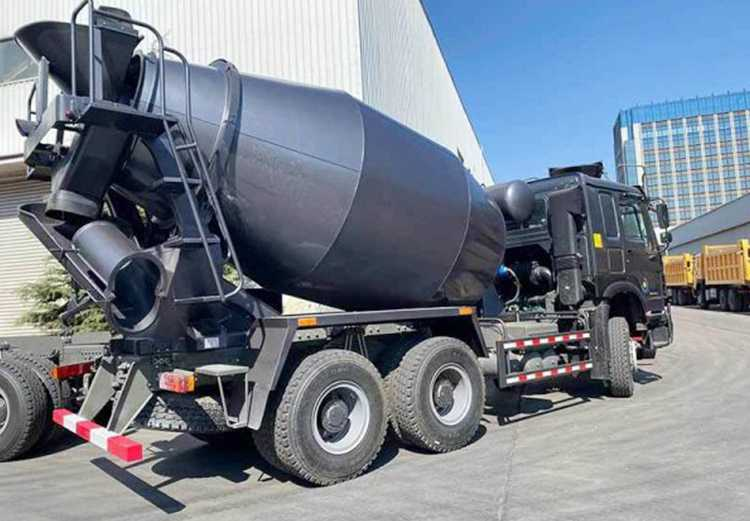
When you're working on construction projects or heavy-duty applications, one of the most common questions that comes up is how much weight can a double 2x8 beam hold. This isn't just a theoretical question—it's critical for safety, compliance, and efficiency. Based on my years of experience in structural engineering and working with materials like those used in Sinotruk Howo trucks, I can break down the key factors that determine load capacity.
it's essential to understand that the load-bearing capacity of a double 2x8 beam depends on several variables: the type of wood (e.g., Douglas fir, Southern pine), the span length, the load type (static vs. dynamic), and the grade of the lumber. a double 2x8 beam made from #2 grade Southern pine with a 10-foot span might hold around 4,000 pounds for a live load, but this can vary. Always refer to span tables or consult an engineer for precise calculations, as factors like moisture content and installation method play a role too.
In practical terms, if you're using such beams in trucking or logistics—say, for supporting loads in a Howo truck bed or in warehouse storage—you'll need to consider dynamic loads. Vehicles experience vibrations and shifts, which can reduce the effective capacity. From my hands-on work, I've seen that reinforcing with metal plates or using higher-grade lumber can increase safety margins. Don't forget local building codes; they often dictate minimum requirements for load-bearing structures.
For those looking into double 2x8 beam load capacity for specific applications, here are some tips:
If you're dealing with heavier loads, you might explore alternatives like steel beams or laminated veneer lumber, which offer higher capacities. But for many mid-range needs, a properly sized double 2x8 can be highly effective. Remember, accurate load calculation isn't just about numbers—it's about ensuring longevity and safety in your projects.
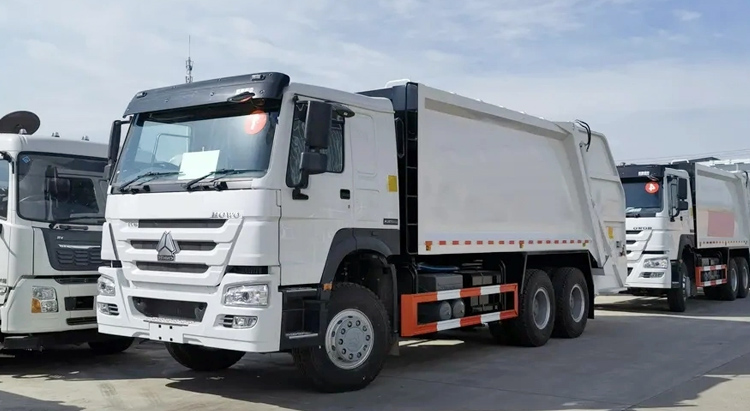
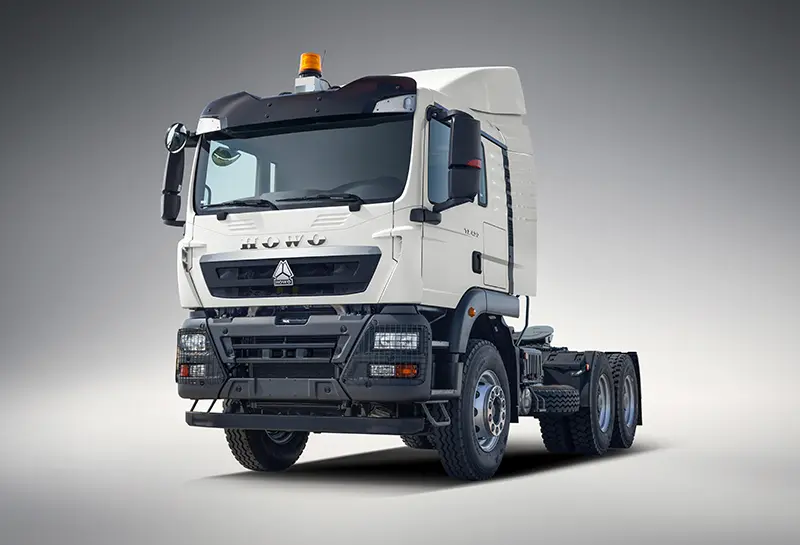
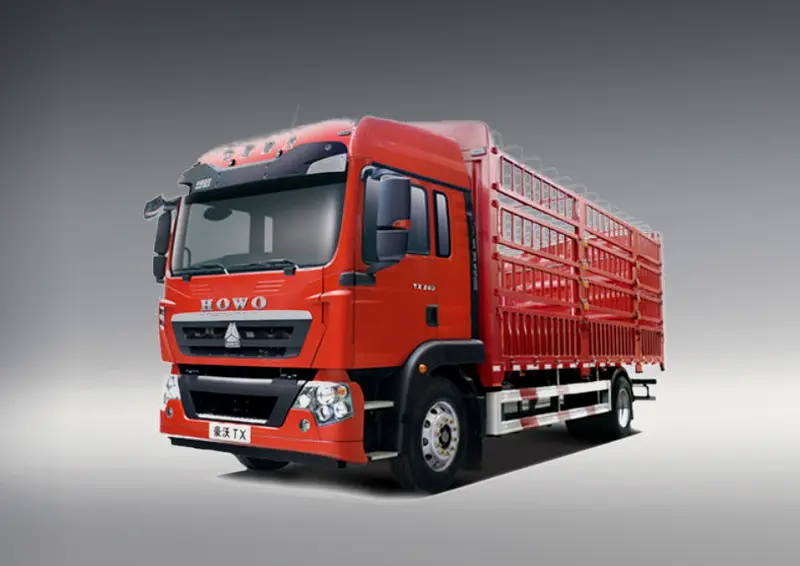
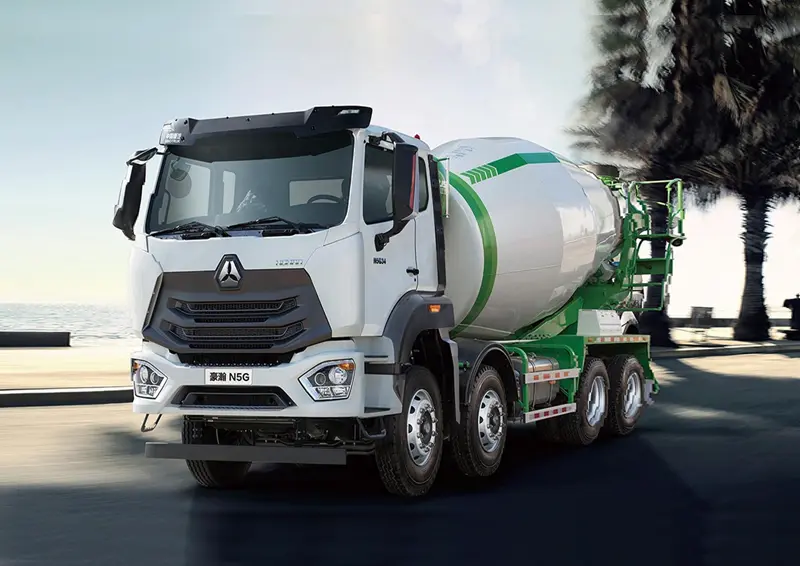
The SINOTRUK HOWO series represents the pinnacle of Chinese heavy-duty truck engineering, combining German MAN technology with superior manufacturing craftsmanship. Designed for exceptional performance, reliability, and economy, the HOWO series has become a preferred choice for logistics and transport operations worldwide.
Equipped with SINOTRUK's proprietary MC series engines, delivering up to 540 HP and 2500 N·m torque with excellent hill-climbing capability.
Comprehensive safety features including ABS+ASR+ESC, lane departure warning, and forward collision warning systems.
Four-point suspended cab, air-suspension seat, multifunction steering wheel, and automatic climate control for reduced driver fatigue.
Advanced SCR technology meets China VI emission standards with 5-8% lower fuel consumption than comparable models.
HOWO trucks excel in long-haul transportation with their fuel efficiency and driver comfort features, making them ideal for logistics companies.
Highway Line-haulWith robust frame structures and exceptional load capacity, HOWO trucks perform reliably in demanding construction environments.
Off-road Heavy loadReliable power systems and precise temperature control compatibility meet strict requirements for perishable goods transportation.
Refrigerated Temperature-controlledSINOTRUK HOWO incorporates cutting-edge technologies that set new standards in the heavy-duty truck industry:
Advanced driver assistance systems (ADAS) including adaptive cruise control, intelligent braking, and fatigue monitoring.
Real-time vehicle monitoring, remote diagnostics, and fleet management integration for optimized operations.
SINOTRUK HOWO series meets international quality and safety standards:
SINOTRUK HOWO trucks have gained international recognition and are operating successfully in diverse markets around the world:
Market leader in Southeast Asia with strong presence in Thailand, Vietnam, and Philippines.
Extensive service network across Africa with proven performance in challenging conditions.
HOWO models meet stringent European standards with growing presence in Eastern European markets.
"Our fleet of 20 HOWO T7H trucks has demonstrated 40% lower failure rate compared to our previous brand, with significantly better fuel economy that reduces our operating costs."
"The driver comfort in HOWO trucks is exceptional. The reduced fatigue on long hauls has improved our safety record and driver retention significantly."
"SINOTRUK's after-sales service network is comprehensive. Even in remote areas, we receive prompt technical support and parts availability."
"Our HOWO dump trucks have proven incredibly reliable in harsh construction environments, with excellent load capacity and minimal downtime."
SINOTRUK HOWO series meets international quality and safety standards:
International quality management system certification ensuring consistent product quality.
European safety standard for cab strength and occupant protection.
Compliance with the latest Chinese emission regulations.
Standard maintenance intervals are 15,000 km for oil changes and 30,000 km for comprehensive servicing, though this may vary based on operating conditions.
SINOTRUK offers a comprehensive warranty package including 24 months or 200,000 km coverage (whichever comes first) for the base vehicle and 12 months or 100,000 km for specific components.
HOWO trucks offer comparable performance and reliability to European brands at a more competitive price point, with lower maintenance costs and excellent parts availability.
Depending on model and operating conditions, HOWO trucks typically achieve 25-30 liters per 100 km, which is 5-8% better than industry averages for comparable vehicles.