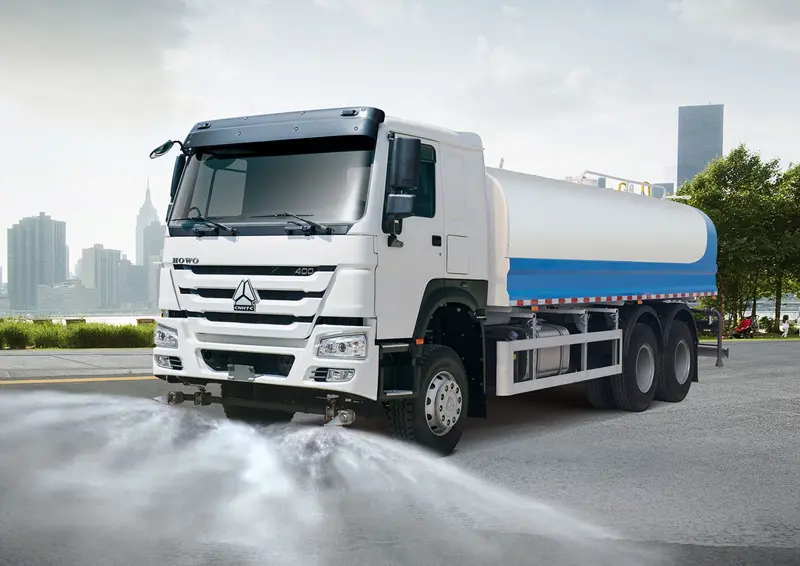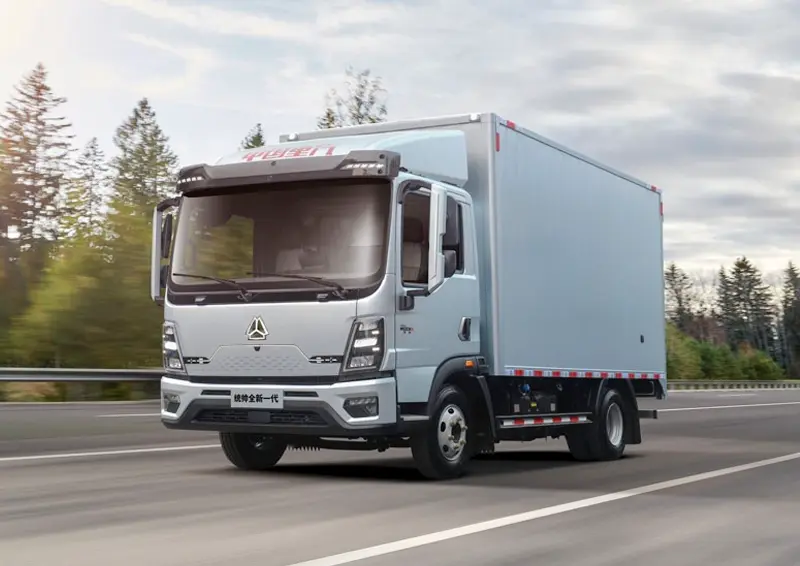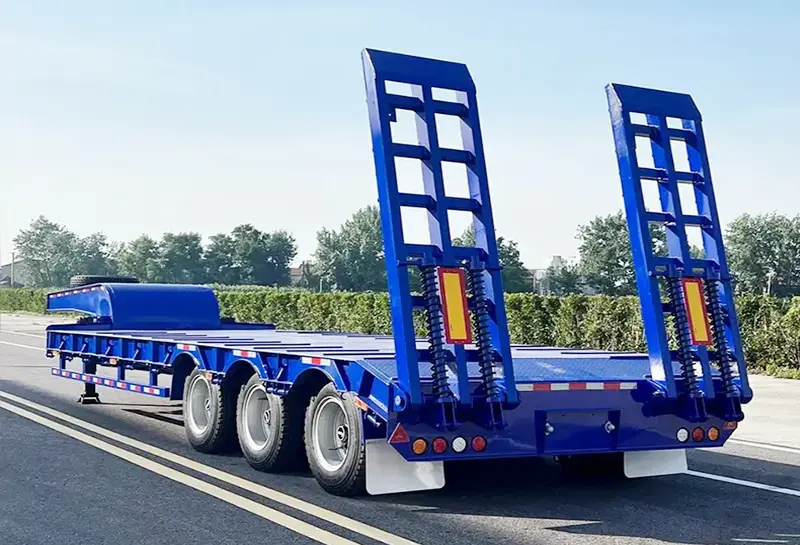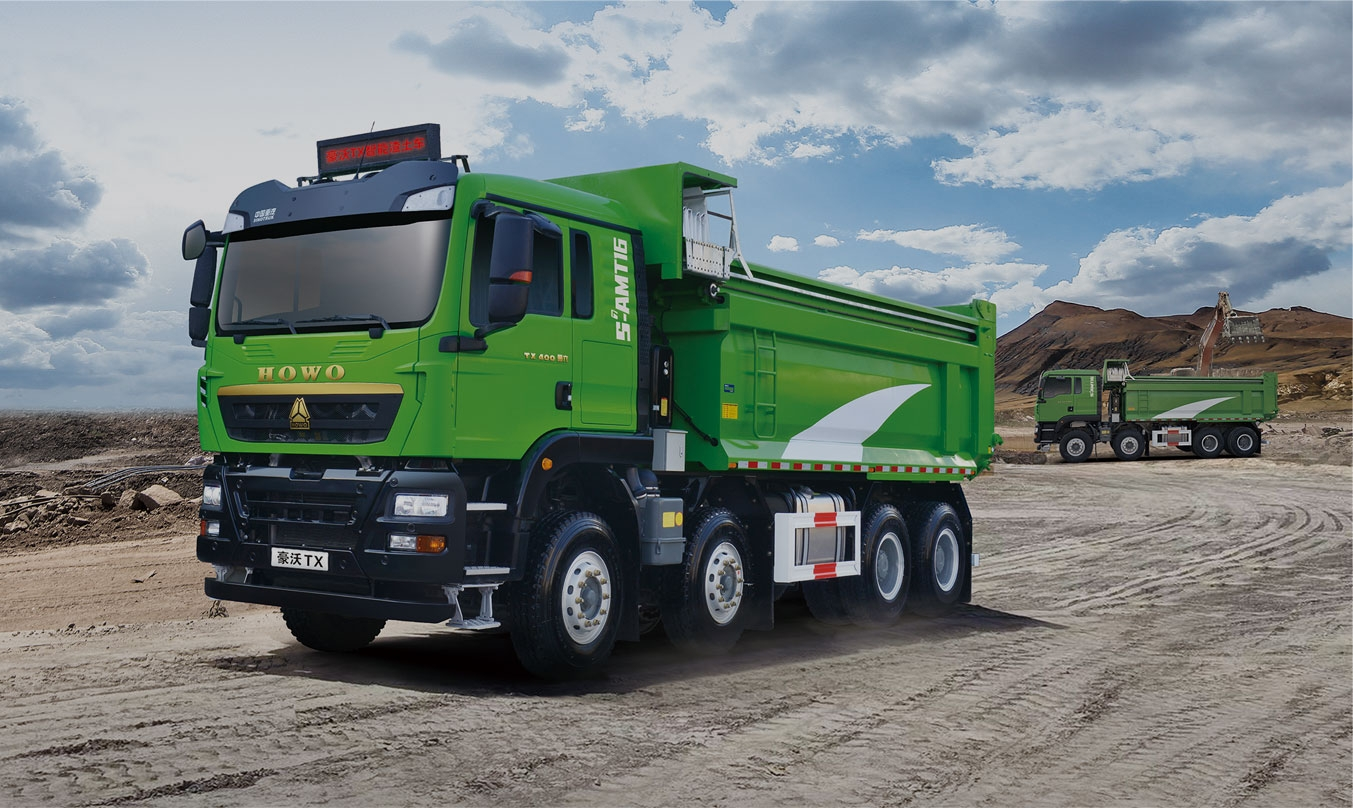
When operators ask about howo truck fuel consumption, they're really asking about the total cost of ownership and operational efficiency. As a specialist with years of hands-on experience with Sinotruk's flagship line, I can tell you that there is no single magic number. The fuel efficiency of a HOWO truck is the result of a complex interplay between its engineering, its configuration, and, crucially, how it is driven and maintained.
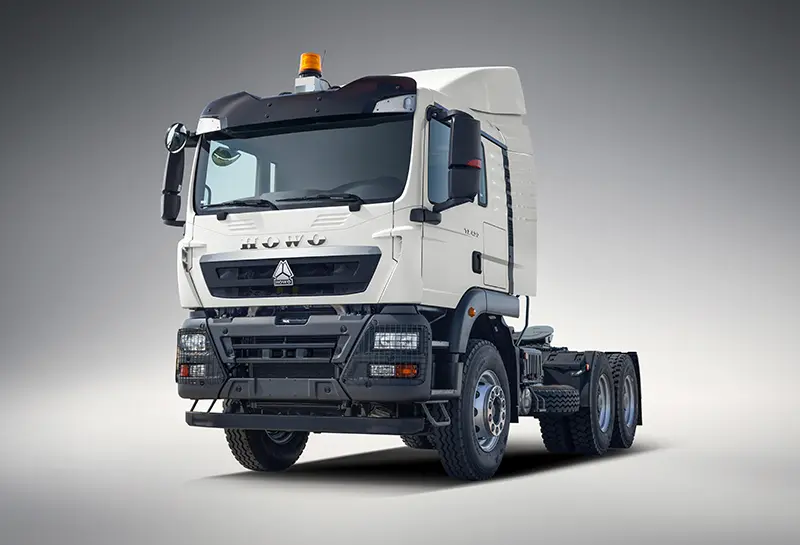
The heart of the matter is the powertrain. Modern HOWO trucks are often equipped with highly efficient Euro V or China VI compliant engines from Weichai Power, such as the WP10H and WP12 series. a HOWO 6x4 dump truck fitted with a WP10.350E53 engine (350 HP) and a HW19710CL manual transmission, hauling a 20-ton payload, will typically achieve a real-world fuel consumption in the range of 32-38 liters per 100 km under mixed on/off-road conditions. a HOWO tractor unit with a more powerful WP13.550E62 engine (550 HP) optimized for highway logistics might see figures as low as 28-32 L/100 km when cruising at economic speeds.
Beyond driving style, a rigorous maintenance schedule is non-negotiable for keeping your howo truck fuel consumption low. A clogged air filter forces the engine to work harder, directly burning more diesel. I recommend checking it every 15,000 km in dusty environments. Similarly, dirty fuel injectors disrupt the precise spray pattern, leading to incomplete combustion. Using high-quality fuel and regularly changing the fuel filter is cheap insurance.
Don't overlook the importance of wheel alignment and bearing adjustment. Dragging brakes or misaligned axles create constant resistance. A tell-tale sign is excessive heat from the wheel hubs after a run. ensure your engine ECU is running the latest software calibration from an authorized Sinotruk service center. Manufacturers often release updates that refine fuel maps for better efficiency and performance.
Ultimately, understanding and optimizing your HOWO truck's fuel consumption is a continuous process. Start by benchmarking your current figures over a month of typical operation. implement one change at a time—be it a maintenance item or a focus on smoother driving—and measure the difference. The potential for savings is substantial, directly boosting your profitability.
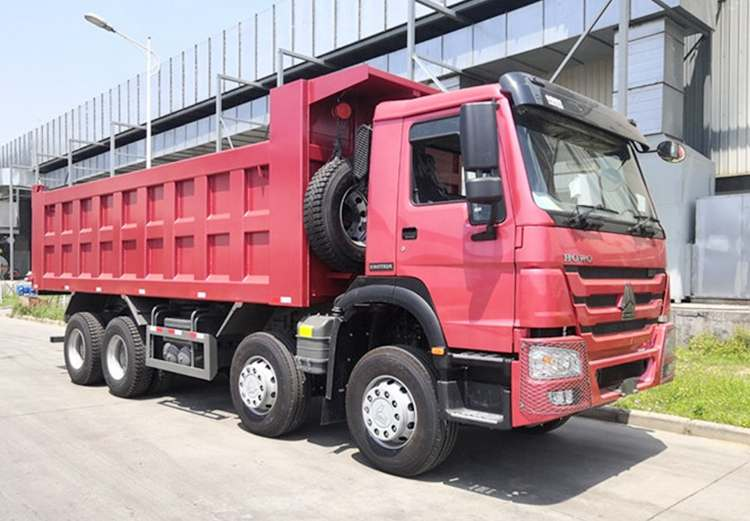
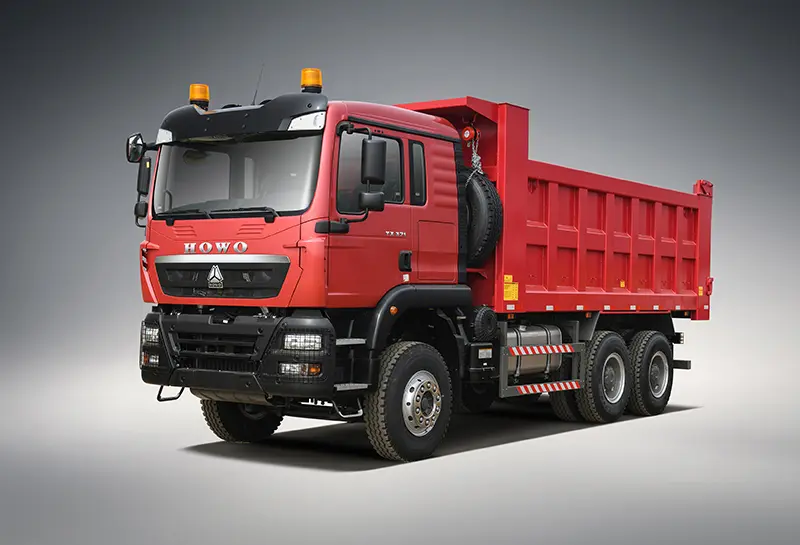
When it comes to heavy-duty construction and mining operations, one of the most critical factors operators consider is the fuel efficiency of their equipment. As a long-time industry specialist with hands-on experience with Sinotruk Howo dump trucks, I've seen firsthand how fuel consumption can make or break a project's profitability. The howo dump truck fuel consumption rates are a common topic among fleet managers, and for good reason—these trucks are workhorses designed for demanding environments, and understanding their fuel dynamics is key to optimizing operational costs.
Several factors influence the fuel efficiency of a Howo dump truck. Engine type and size play a significant role; models equipped with the WP series engines, such as the WP10 or WP12, are known for their balance of power and economy. Load capacity is another major factor—overloading can drastically increase howo tipper truck fuel efficiency, leading to higher costs and potential mechanical strain. Terrain and driving conditions also matter; hilly or off-road sites will consume more fuel compared to flat, paved routes. Regular maintenance, including clean air filters and proper tire pressure, can further enhance performance.
Based on real-world data and user reports, the average howo dump truck fuel consumption per km ranges between 35 to 50 liters per 100 kilometers, depending on the model and usage. the Howo 6x4 dump truck with a 371 horsepower engine typically averages around 40L/100km under mixed conditions. This translates to impressive howo truck diesel consumption rates that compete well against other brands in its class. To put this into perspective, a well-maintained truck on a highway might achieve closer to 35L/100km, while stop-start mining operations could see figures near 50L/100km.
Improving fuel economy isn't just about the truck's specs—it's about how you use it. Here are some practical tips I've gathered from years in the field:
Comparing Howo dump trucks to competitors, they often shine in terms of durability and fuel economy in tough conditions. Models like the Howo ZZ3257N3647W are engineered with fuel-saving technologies, including efficient turbocharging and aerodynamic designs. For those looking into howo dump truck specifications and fuel usage, it's worth noting that newer Euro III and IV compliant engines offer better efficiency and lower emissions without sacrificing power.
managing howo dump truck fuel consumption effectively requires a combination of choosing the right model, maintaining it diligently, and adopting smart operational practices. By focusing on these areas, operators can significantly reduce costs and enhance productivity on any job site.
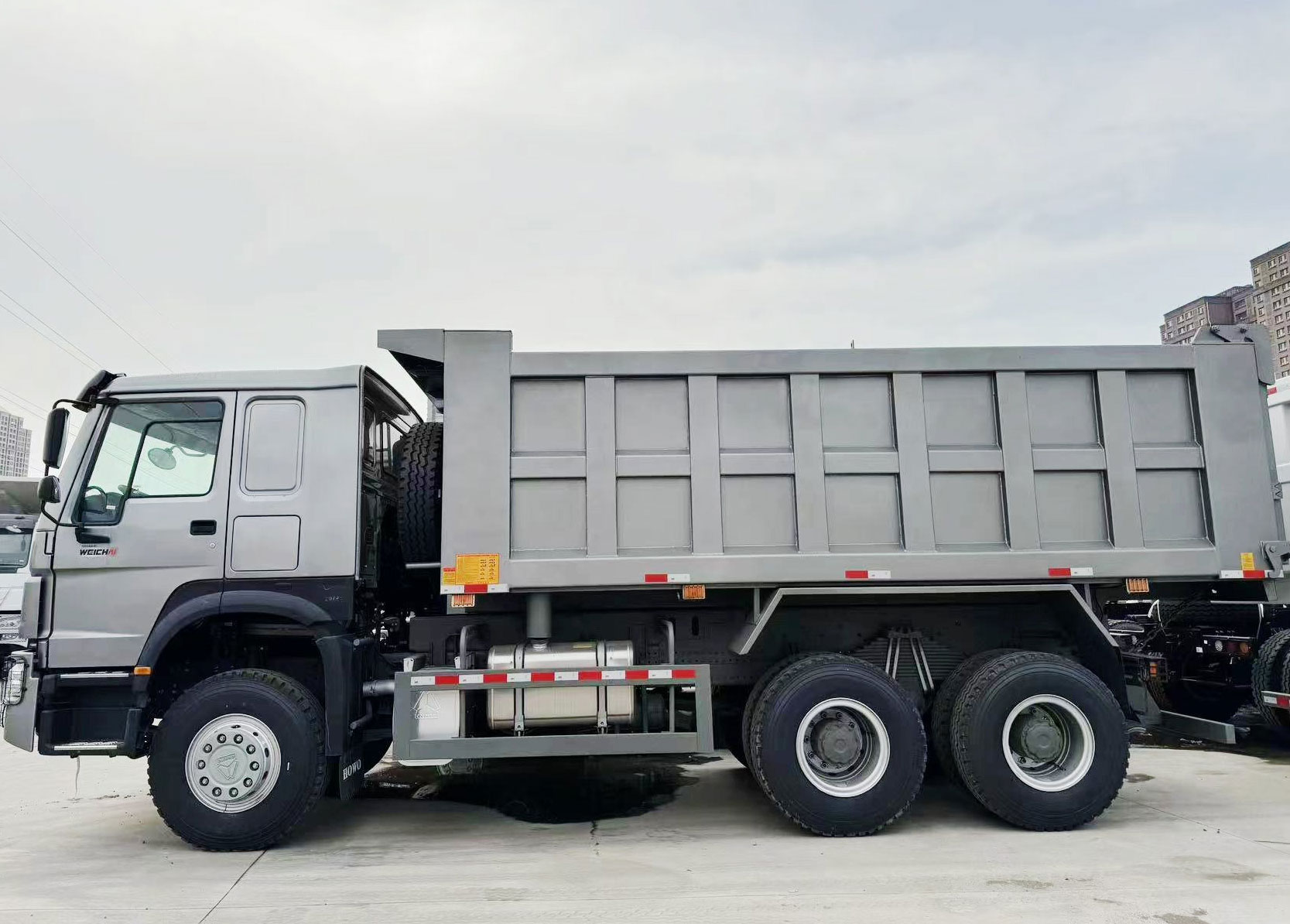
When it comes to heavy-duty trucking, fuel efficiency isn't just about saving money—it's about operational sustainability and performance reliability. As someone who's spent years working with Sinotruk Howo trucks across various terrains and load conditions, I can confidently say the Howo 371 model stands out for its balanced fuel economy in its class.
The Howo 371 truck typically achieves a fuel consumption rate between 28 to 35 liters per 100 kilometers under standard operating conditions. this range isn't set in stone—it's influenced by multiple factors that every operator should understand. From my hands-on experience, properly maintained Howo 371 trucks running on highway routes with average loads tend to stay at the lower end of this spectrum, while those operating in mountainous regions or with maximum loads might see consumption near the upper range.
Several key factors significantly impact your Howo 371's fuel efficiency:
The Howo 371's WD615 engine series incorporates several fuel-saving technologies that contribute to its competitive consumption rates. The common rail fuel injection system ensures precise fuel delivery, while the optimized gear ratios in the transmission system help maintain the engine in its most efficient RPM range during cruise conditions. Many operators don't realize that simply keeping their Howo truck's engine properly tuned can yield immediate improvements in fuel economy.
Based on my field observations, operators who implement proactive maintenance and driver training programs consistently report lower howo 371 diesel consumption figures. The relationship between regular service intervals and fuel efficiency is particularly noticeable—trucks that receive timely oil changes, filter replacements, and injector servicing maintain their optimal fuel consumption rates throughout their operational lifespan.
For those comparing the Howo 371 fuel consumption to other models in its class, it's important to consider the total cost of operation rather than just the consumption figures. The 371's robust construction typically means fewer maintenance issues and longer service intervals, which ultimately contributes to lower operational costs despite similar or slightly higher fuel consumption compared to some competitors.
Real-world testing under various load conditions shows that the Howo 371's fuel efficiency remains consistent when properly maintained. The truck's aerodynamic design, though functional rather than revolutionary, does contribute to stable fuel consumption patterns at highway speeds. Many experienced operators find that the Howo 371's fuel consumption per kilometer becomes increasingly competitive when calculated over the vehicle's entire service life rather than just initial performance metrics.
Understanding your specific operational patterns is crucial for accurately predicting fuel needs. The Howo 371's fuel tank capacity combined with its consumption rates typically provides excellent range for most regional haulage operations. Operators running multiple Howo trucks often establish baseline consumption metrics for each vehicle, allowing them to quickly identify when a truck begins consuming more fuel than expected—often an early indicator of maintenance needs.
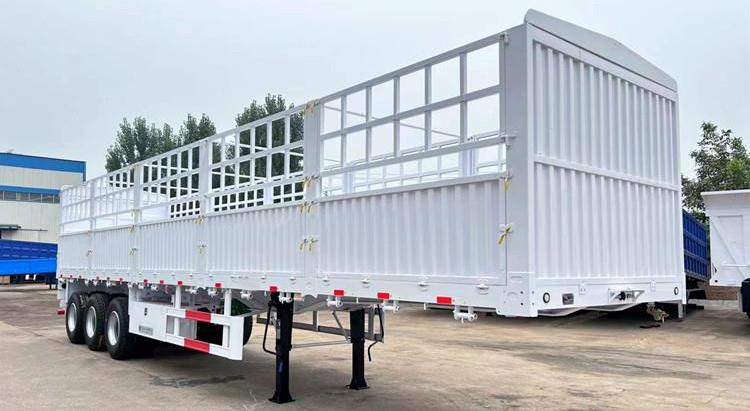
The SINOTRUK HOWO series represents the pinnacle of Chinese heavy-duty truck engineering, combining German MAN technology with superior manufacturing craftsmanship. Designed for exceptional performance, reliability, and economy, the HOWO series has become a preferred choice for logistics and transport operations worldwide.
Equipped with SINOTRUK's proprietary MC series engines, delivering up to 540 HP and 2500 N·m torque with excellent hill-climbing capability.
Comprehensive safety features including ABS+ASR+ESC, lane departure warning, and forward collision warning systems.
Four-point suspended cab, air-suspension seat, multifunction steering wheel, and automatic climate control for reduced driver fatigue.
Advanced SCR technology meets China VI emission standards with 5-8% lower fuel consumption than comparable models.
HOWO trucks excel in long-haul transportation with their fuel efficiency and driver comfort features, making them ideal for logistics companies.
Highway Line-haulWith robust frame structures and exceptional load capacity, HOWO trucks perform reliably in demanding construction environments.
Off-road Heavy loadReliable power systems and precise temperature control compatibility meet strict requirements for perishable goods transportation.
Refrigerated Temperature-controlledSINOTRUK HOWO incorporates cutting-edge technologies that set new standards in the heavy-duty truck industry:
Advanced driver assistance systems (ADAS) including adaptive cruise control, intelligent braking, and fatigue monitoring.
Real-time vehicle monitoring, remote diagnostics, and fleet management integration for optimized operations.
SINOTRUK HOWO series meets international quality and safety standards:
SINOTRUK HOWO trucks have gained international recognition and are operating successfully in diverse markets around the world:
Market leader in Southeast Asia with strong presence in Thailand, Vietnam, and Philippines.
Extensive service network across Africa with proven performance in challenging conditions.
HOWO models meet stringent European standards with growing presence in Eastern European markets.
"Our fleet of 20 HOWO T7H trucks has demonstrated 40% lower failure rate compared to our previous brand, with significantly better fuel economy that reduces our operating costs."
"The driver comfort in HOWO trucks is exceptional. The reduced fatigue on long hauls has improved our safety record and driver retention significantly."
"SINOTRUK's after-sales service network is comprehensive. Even in remote areas, we receive prompt technical support and parts availability."
"Our HOWO dump trucks have proven incredibly reliable in harsh construction environments, with excellent load capacity and minimal downtime."
SINOTRUK HOWO series meets international quality and safety standards:
International quality management system certification ensuring consistent product quality.
European safety standard for cab strength and occupant protection.
Compliance with the latest Chinese emission regulations.
Standard maintenance intervals are 15,000 km for oil changes and 30,000 km for comprehensive servicing, though this may vary based on operating conditions.
SINOTRUK offers a comprehensive warranty package including 24 months or 200,000 km coverage (whichever comes first) for the base vehicle and 12 months or 100,000 km for specific components.
HOWO trucks offer comparable performance and reliability to European brands at a more competitive price point, with lower maintenance costs and excellent parts availability.
Depending on model and operating conditions, HOWO trucks typically achieve 25-30 liters per 100 km, which is 5-8% better than industry averages for comparable vehicles.