On This Page
When you're looking at heavy-duty truck options, understanding the Howo truck capacity is fundamental to making the right investment for your business. The payload capacity isn't just a single number; it's a complex equation involving the truck's configuration, engine power, transmission, and axle setup. Based on years of working with these machines, I can tell you that Sinotruk Howo trucks are engineered for robustness, but their true capacity depends on how you spec them out.
The heart of any truck's capacity is its powertrain. For the Howo series, engines like the WP10H and WP12 are common workhorses. A typical WP10H engine, can deliver up to 350 horsepower and a massive 1,600 Nm of torque. This kind of power is crucial when you're calculating howo truck load capacity for uphill hauls or long-distance freight. Pair that with a robust 9-speed or 10-speed manual transmission, and you have a drivetrain built to handle heavy loads without straining.
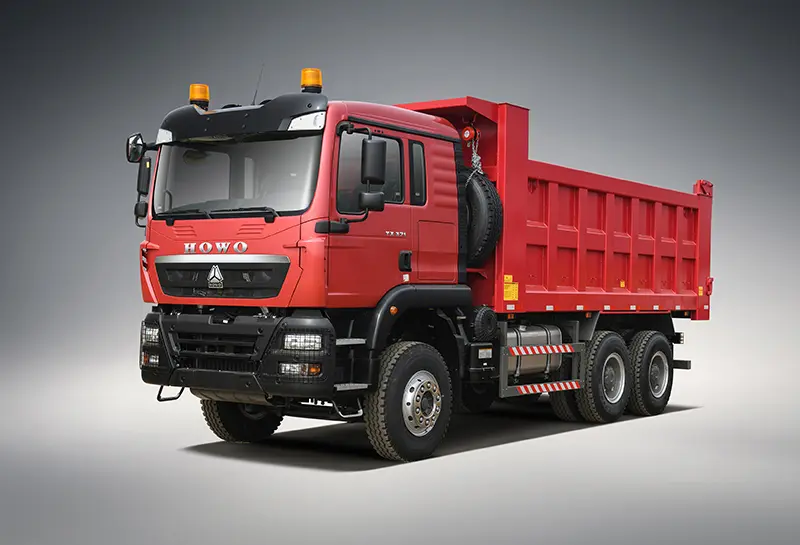
But raw engine power is only part of the story. The actual howo dump truck capacity or howo tractor capacity is determined by its Gross Vehicle Weight (GVW) rating and its chassis strength. Common GVW ratings for Howo trucks range from 25 tons all the way up to 70 tons for specialized applications. For a standard Howo 6x4 dump truck, you're typically looking at a legal payload capacity of around 15 to 20 tons, depending on local regulations and the specific body build. The truck's frame, often made from high-tensile steel, and the rear axle capacity—like the robust HC16 double-reduction axle—are what make this possible.
Choosing the right howo truck tonnage isn't just about picking the biggest number. You need to consider your specific use case. Are you hauling sand and gravel? A Howo dump truck with a reinforced body and a 380hp engine might be your best bet. Operating in a region with strict bridge laws? Then a multi-axle configuration with a higher axle count might be necessary to distribute the weight legally. Always cross-reference the manufacturer's specs with your local transport regulations to avoid overloading fines.
From a practical standpoint, I always advise clients to think beyond the brochure. The advertised howo truck payload is for a brand-new, empty vehicle. Once you add a custom body, a driver, tools, and a full tank of diesel, your actual available payload decreases. For a 25-ton GVW truck, you might lose 2-3 tons to this 'kerb weight'. Proper maintenance is also non-negotiable for sustaining that capacity. Regular checks on tire pressure (crucial for even weight distribution), suspension health, and brake function ensure the truck continues to perform safely at its maximum rated capacity for years to come.

When it comes to heavy-duty trucking, one of the most critical factors for operators and fleet managers is fuel capacity. For those considering or already operating a Sinotruk Howo truck, understanding the fuel capacity specifications can significantly impact logistics planning, operational costs, and overall efficiency. As an industry expert with hands-on experience, I've seen firsthand how the right fuel tank setup can make or break a long-haul journey.
The Howo truck series, known for its robustness and reliability, offers a range of fuel capacity options tailored to different models and applications. Generally, standard Howo trucks come equipped with fuel tanks ranging from 400 liters to 600 liters for on-road models, while off-road or specialized variants may feature capacities up to 800 liters or more. the Howo A7, a popular model for long-distance transport, often includes dual fuel tanks that collectively hold around 600-700 liters, ensuring fewer stops and extended range.
Several factors influence the fuel capacity of a Howo truck, including the engine type, chassis design, and intended use. Here are some key considerations:
From a practical standpoint, maximizing fuel efficiency isn't just about capacity—it's about how that capacity integrates with your operation. in my experience working with logistics companies, Howo trucks with balanced fuel capacity and aerodynamic designs have achieved fuel economy rates of 25-30 liters per 100 km under load. This is particularly relevant for operators searching for details on Howo truck fuel consumption and tank size, as it directly ties into total cost of ownership.
If you're looking to optimize your Howo truck's fuel system, consider options like installing larger or additional tanks for specific routes, or opting for factory-upgraded capacities when ordering new units. Always consult with authorized Sinotruk dealers to ensure compatibility and compliance with local standards.
Ultimately, understanding the fuel capacity of your Howo truck empowers you to plan routes more effectively, reduce downtime, and manage operational budgets with precision. Whether you're hauling goods cross-country or navigating tough terrains, the right fuel setup can be a game-changer.
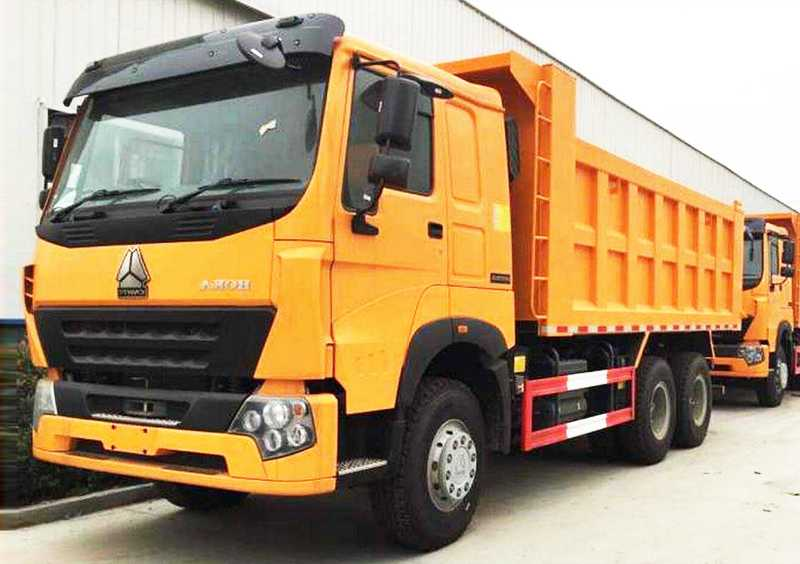
When it comes to heavy-duty transportation, one of the most critical factors to consider is the tonnage capacity of your truck. For those exploring the capabilities of Sinotruk Howo trucks, understanding the range and specifications of Howo truck tonnage capacity is essential for making an informed decision. These robust vehicles are engineered to handle a variety of loads, making them a popular choice in industries like logistics, construction, and mining.
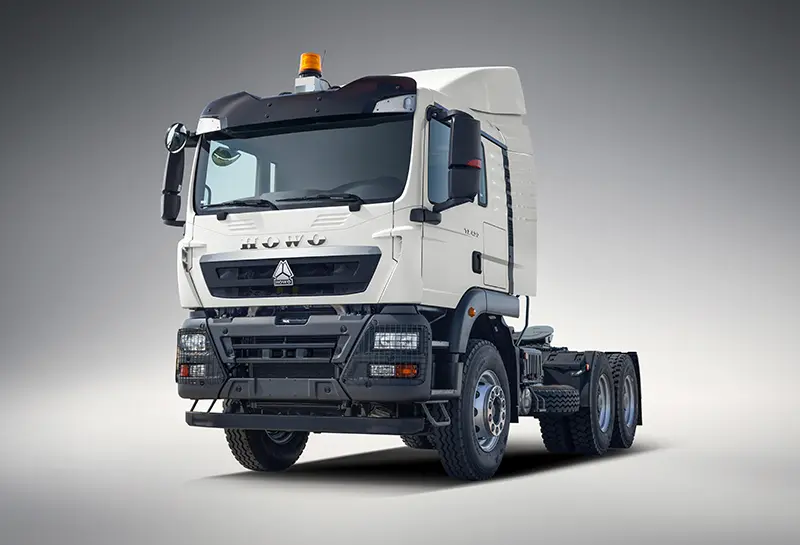
Howo trucks are designed with versatility in mind, offering multiple configurations to meet different hauling needs. The tonnage capacity for Howo trucks typically ranges from lighter models around 10 tons to heavy-duty versions that can handle up to 70 tons or more, depending on the specific model and setup. the Howo A7 series is renowned for its high payload capacity, often used in long-haul freight, while the Howo T5G is ideal for medium-duty applications with capacities around 15-25 tons. It's important to note that the actual tonnage capacity can be influenced by factors such as the chassis design, engine power, and axle configuration.
From my years of experience working with these trucks, I've seen firsthand how the right tonnage capacity can impact operational efficiency. selecting a Howo truck with a 30-ton capacity for construction material transport can significantly reduce the number of trips needed, saving both time and fuel costs. Always consider your typical load requirements, road conditions, and legal weight limits in your region when choosing a model. Howo trucks also offer customizable options, allowing you to tailor the tonnage capacity to your specific needs, whether you're hauling bulk goods, containers, or heavy machinery.
Key factors affecting Howo truck tonnage capacity include:
Regular maintenance plays a crucial role in sustaining the advertised tonnage capacity. Properly inflated tires, well-lubricated axles, and routine checks on the braking system ensure that your Howo truck operates safely and efficiently at its maximum load. Overloading beyond the recommended capacity can lead to increased wear and tear, higher fuel consumption, and potential safety hazards. always refer to the manufacturer's guidelines and consult with a certified Sinotruk dealer to confirm the optimal tonnage for your intended use.
Howo truck tonnage capacity is a defining feature that makes these vehicles a reliable choice for heavy-duty tasks. By understanding the available options and matching them to your operational needs, you can maximize productivity and ensure long-term durability. If you're unsure about which model suits your requirements, reaching out to a Sinotruk expert can provide personalized recommendations based on real-world experience.
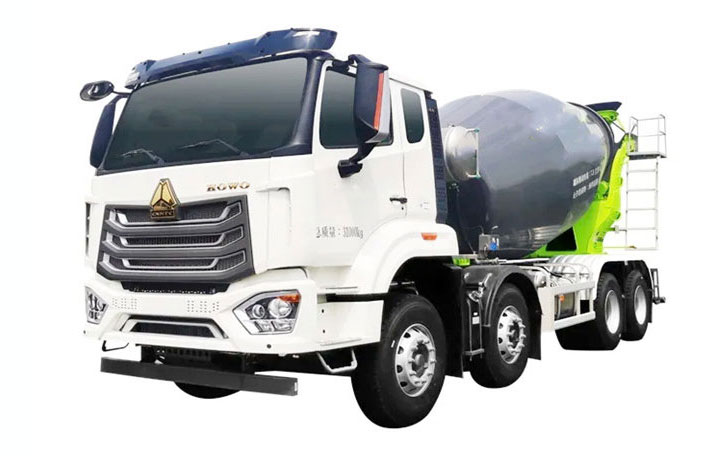
When you're in the market for a heavy-duty dump truck, understanding the capacity of a Sinotruk Howo dump truck is crucial for making an informed decision. These trucks are engineered to handle demanding construction, mining, and infrastructure projects, and their capacity directly impacts your operational efficiency and profitability. Let's dive into the specifics of Howo dump truck capacities, covering various models and what you need to know to choose the right one for your needs.
The capacity of a Howo dump truck typically ranges from 10 cubic meters to over 30 cubic meters, depending on the model and configuration. the popular Howo ZZ3257M3847C model often features a standard capacity of around 12 to 16 cubic meters, making it ideal for medium-duty applications like urban construction or road maintenance. On the heavier end, models like the Howo ZZ3407S3517C can handle up to 20-25 cubic meters, suited for large-scale mining or quarry operations where high volume hauling is essential. It's important to note that these capacities refer to the heaped volume, which accounts for the natural angle of repose of materials like sand, gravel, or ore.
Several factors influence the actual howo dump truck capacity you can utilize effectively. The chassis strength, engine power, and axle configuration play significant roles. a Howo truck with a 371 horsepower engine and a robust 6x4 drive system can support higher payloads without compromising performance. the type of material being transported affects capacity; denser materials like rock may require a lower volume to stay within legal weight limits, whereas lighter aggregates allow for maximizing cubic meter capacity. Always check local regulations on gross vehicle weight (GVW) to ensure compliance and avoid fines.
From my experience working with these trucks, I've found that the Howo series offers excellent versatility. For those needing a balance between size and maneuverability, the smaller capacity models around 10-15 cubic meters are perfect for tight job sites. Meanwhile, the larger capacity options, such as those exceeding 20 cubic meters, provide tremendous value for high-volume earthmoving tasks. Regular maintenance, like monitoring tire pressure and ensuring proper body alignment, can help maintain optimal capacity and extend the truck's lifespan. If you're comparing options, consider not just the stated howo dump truck capacity but also the durability and after-sales support, which Sinotruk is known for globally.
In practical terms, selecting the right Howo dump truck capacity involves assessing your daily hauling requirements, material density, and terrain conditions. For most users, a capacity in the 15-20 cubic meter range offers a sweet spot of efficiency and flexibility. Remember to consult with a certified dealer to get tailored recommendations based on your specific projects. With Howo's reputation for reliability and performance, you can confidently choose a model that meets your capacity needs and boosts your productivity on the job site.
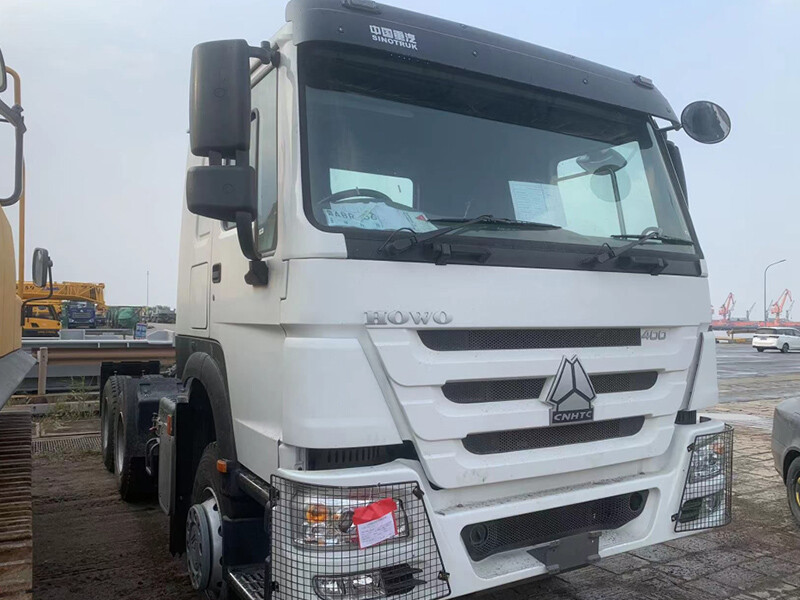
When it comes to heavy-duty performance and reliability, one of the most critical factors to consider is the cubic capacity of your engine. For Sinotruk Howo trucks, this isn't just a number—it's the heart of what makes these vehicles excel in demanding conditions. As someone who has worked hands-on with Howo trucks across various industries, I can tell you that understanding cubic capacity is key to maximizing efficiency, power, and longevity.
The cubic capacity, often referred to as engine displacement, measures the total volume of all the cylinders in an engine. For Howo trucks, this typically ranges from 9.7 liters to 12.4 liters, depending on the model and configuration. Why does this matter? A larger cubic capacity generally means more power and torque, which is essential for hauling heavy loads over long distances or tackling challenging terrains. the Howo A7 model with a 12.4-liter engine offers exceptional pulling power, making it a favorite in mining and construction sectors.
But it's not just about raw power. The cubic capacity of a Howo truck engine directly influences fuel efficiency and emissions. Modern Howo engines are designed with advanced technologies like high-pressure common rail fuel systems and turbocharging, which optimize combustion and reduce waste. From my experience maintaining fleets, trucks with well-matched cubic capacity to their operational needs—such as the 10.5-liter engines in Howo T5G for regional logistics—consistently deliver better fuel economy and lower maintenance costs over time.
Selecting the right cubic capacity for your Howo truck involves assessing your specific needs. if you're in logistics and primarily handle highway transport, a 10.5-liter engine might provide the perfect blend of performance and efficiency. industries like mining or heavy construction benefit from the 12.4-liter engines due to their superior torque and durability under stress. I've seen companies save significantly on operational costs by matching their engine size to their actual workload, rather than opting for the largest available option.
Maintenance plays a huge role in preserving your engine's cubic capacity and performance. Regular oil changes, air filter replacements, and monitoring of engine diagnostics are essential. Howo trucks are built with robust components, but neglecting maintenance can lead to reduced efficiency and even premature engine wear. Based on my fieldwork, sticking to the manufacturer's service schedule—especially for models with higher displacements—can extend engine life by years and maintain optimal cubic capacity output.
the cubic capacity of a Howo truck is a fundamental aspect that dictates its capability, efficiency, and suitability for various tasks. Whether you're comparing different models or planning your fleet strategy, paying attention to engine displacement will help you make informed decisions that boost productivity and reduce costs. If you have specific scenarios or need personalized advice, feel free to reach out—I'm always here to share insights from real-world applications.
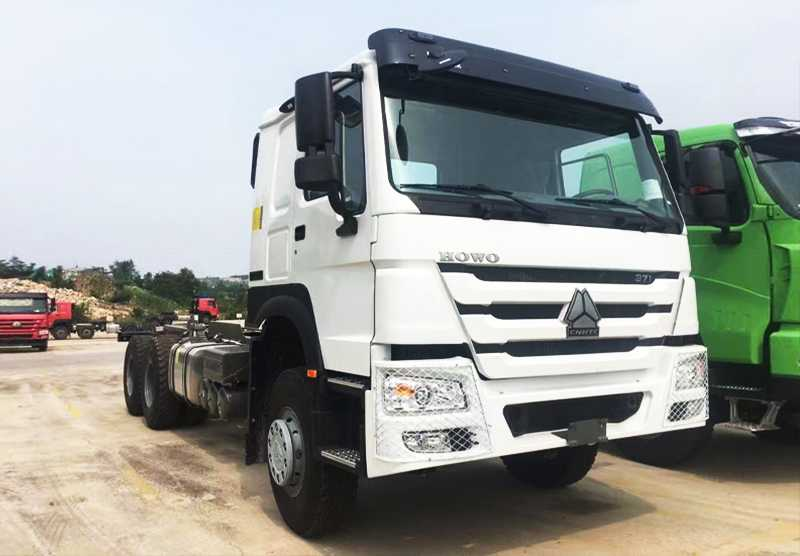
The SINOTRUK HOWO series represents the pinnacle of Chinese heavy-duty truck engineering, combining German MAN technology with superior manufacturing craftsmanship. Designed for exceptional performance, reliability, and economy, the HOWO series has become a preferred choice for logistics and transport operations worldwide.
Equipped with SINOTRUK's proprietary MC series engines, delivering up to 540 HP and 2500 N·m torque with excellent hill-climbing capability.
Comprehensive safety features including ABS+ASR+ESC, lane departure warning, and forward collision warning systems.
Four-point suspended cab, air-suspension seat, multifunction steering wheel, and automatic climate control for reduced driver fatigue.
Advanced SCR technology meets China VI emission standards with 5-8% lower fuel consumption than comparable models.
HOWO trucks excel in long-haul transportation with their fuel efficiency and driver comfort features, making them ideal for logistics companies.
Highway Line-haulWith robust frame structures and exceptional load capacity, HOWO trucks perform reliably in demanding construction environments.
Off-road Heavy loadReliable power systems and precise temperature control compatibility meet strict requirements for perishable goods transportation.
Refrigerated Temperature-controlledSINOTRUK HOWO incorporates cutting-edge technologies that set new standards in the heavy-duty truck industry:
Advanced driver assistance systems (ADAS) including adaptive cruise control, intelligent braking, and fatigue monitoring.
Real-time vehicle monitoring, remote diagnostics, and fleet management integration for optimized operations.
SINOTRUK HOWO series meets international quality and safety standards:
SINOTRUK HOWO trucks have gained international recognition and are operating successfully in diverse markets around the world:
Market leader in Southeast Asia with strong presence in Thailand, Vietnam, and Philippines.
Extensive service network across Africa with proven performance in challenging conditions.
HOWO models meet stringent European standards with growing presence in Eastern European markets.
"Our fleet of 20 HOWO T7H trucks has demonstrated 40% lower failure rate compared to our previous brand, with significantly better fuel economy that reduces our operating costs."
"The driver comfort in HOWO trucks is exceptional. The reduced fatigue on long hauls has improved our safety record and driver retention significantly."
"SINOTRUK's after-sales service network is comprehensive. Even in remote areas, we receive prompt technical support and parts availability."
"Our HOWO dump trucks have proven incredibly reliable in harsh construction environments, with excellent load capacity and minimal downtime."
SINOTRUK HOWO series meets international quality and safety standards:
International quality management system certification ensuring consistent product quality.
European safety standard for cab strength and occupant protection.
Compliance with the latest Chinese emission regulations.
Standard maintenance intervals are 15,000 km for oil changes and 30,000 km for comprehensive servicing, though this may vary based on operating conditions.
SINOTRUK offers a comprehensive warranty package including 24 months or 200,000 km coverage (whichever comes first) for the base vehicle and 12 months or 100,000 km for specific components.
HOWO trucks offer comparable performance and reliability to European brands at a more competitive price point, with lower maintenance costs and excellent parts availability.
Depending on model and operating conditions, HOWO trucks typically achieve 25-30 liters per 100 km, which is 5-8% better than industry averages for comparable vehicles.