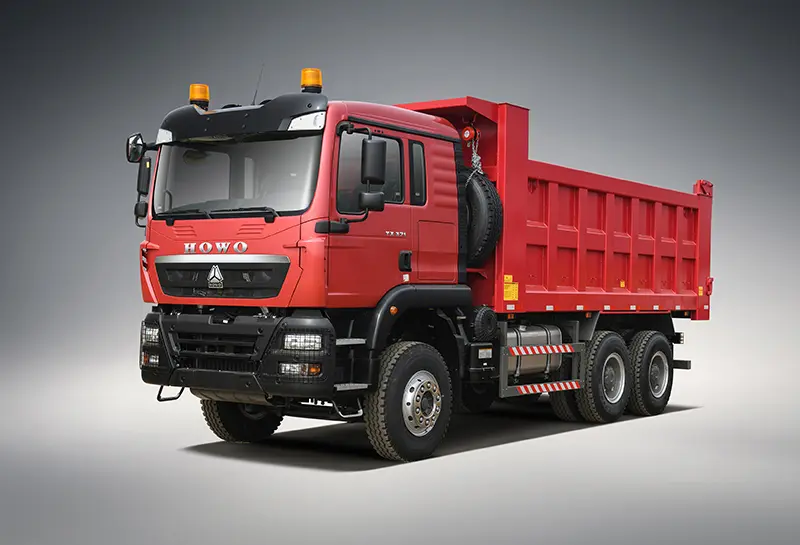
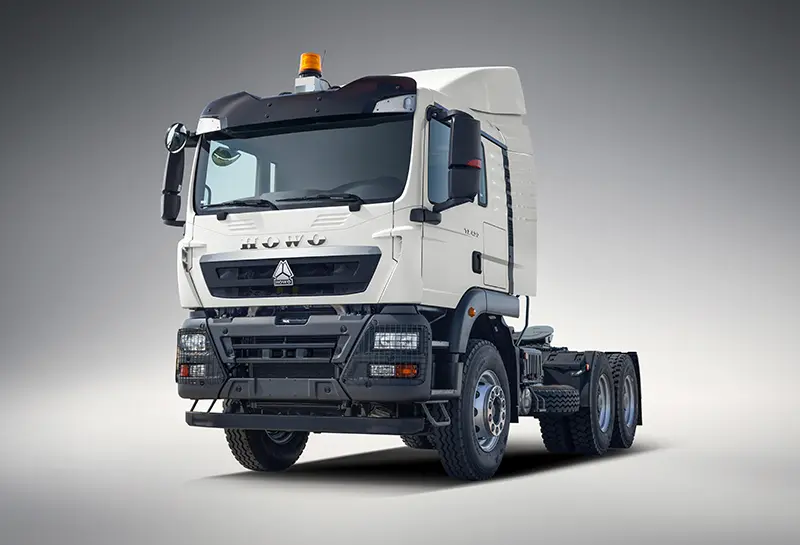
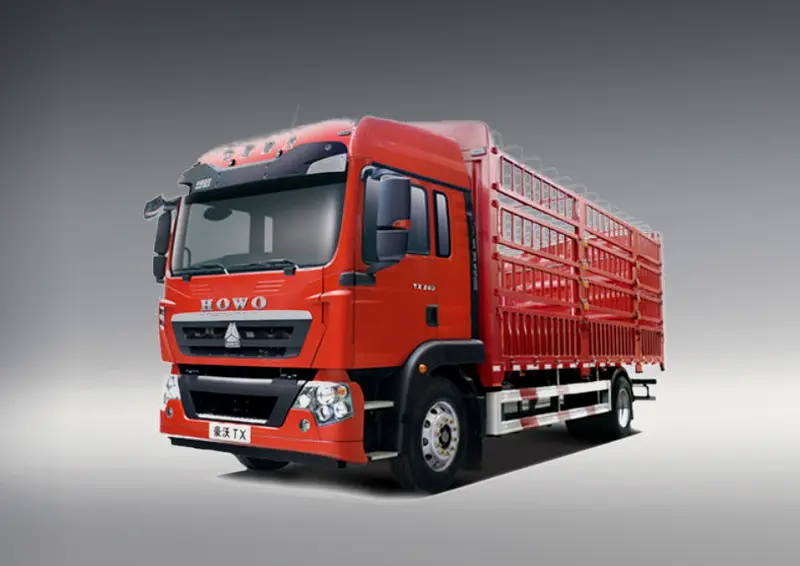
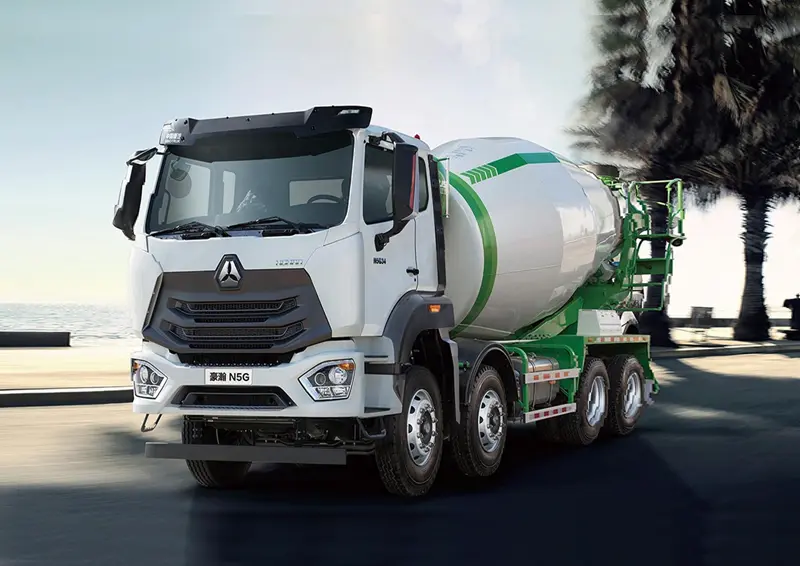
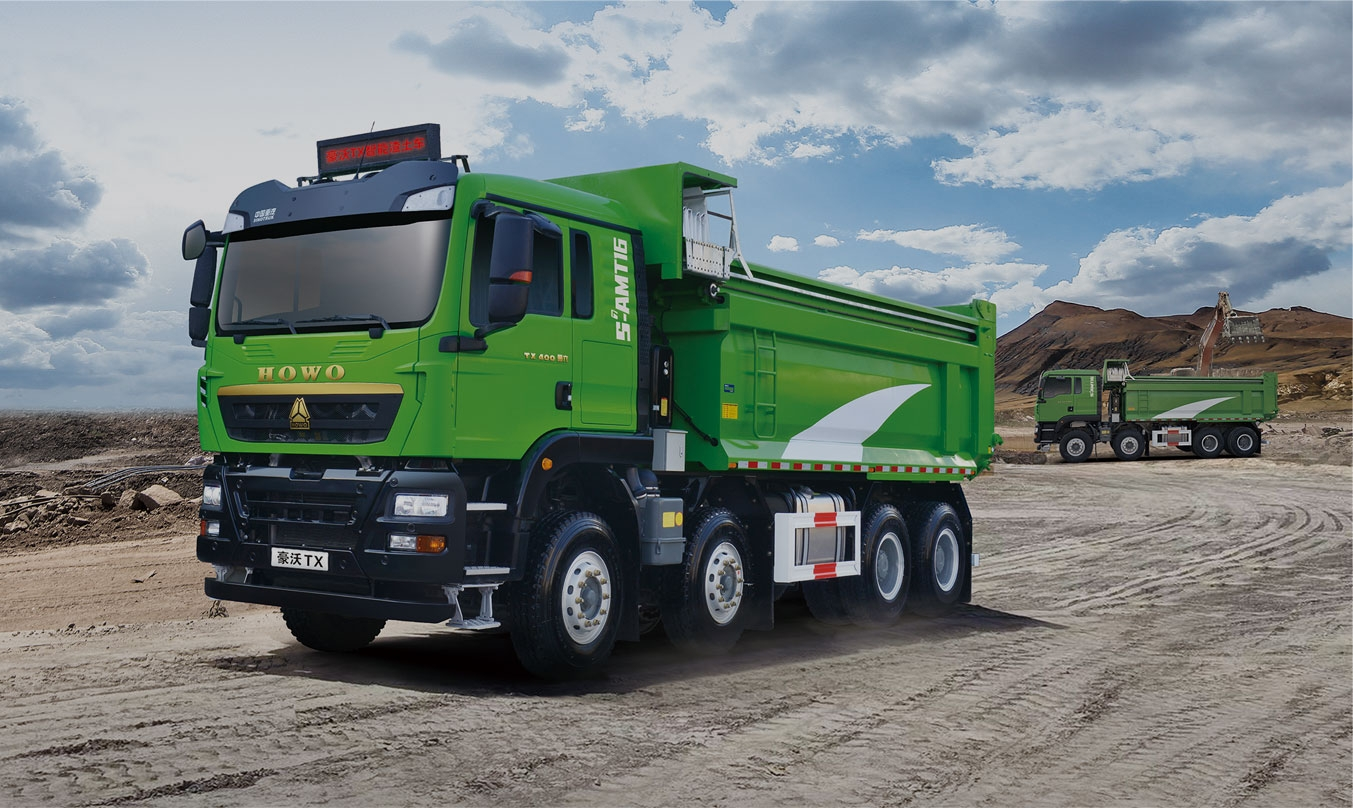
Understanding the capacity of HOWO dump trucks is essential for making informed purchasing decisions. These robust vehicles are engineered to handle demanding construction and mining applications with impressive payload capabilities.
The standard HOWO dump truck typically offers a loading capacity ranging from 20 to 70 tons, depending on the specific model and configuration. The HOWO ZZ3257N3647C, commonly carries 20-30 tons, while larger models like the HOWO 70-ton mining dump truck are built for extreme heavy-duty operations.
Multiple factors influence the actual load capacity, including chassis strength, engine power, and axle configuration. The 6x4 models generally handle 20-30 tons, while 8x4 configurations can manage 30-40 tons. For mining applications, specialized HOWO dump trucks with reinforced frames can transport up to 70 tons of material.
When selecting a HOWO dump truck, consider both the rated capacity and the body dimensions. Standard truck body sizes vary from 5.6m to 8m in length, with corresponding volume capacities from 12 to 34 cubic meters. Always verify the gross vehicle weight rating and local regulations to ensure compliance.
The truck's power system significantly impacts its loading capability. HOWO dump trucks typically feature powerful engines ranging from 336 to 460 horsepower, coupled with robust transmissions designed to handle heavy loads across various terrains while maintaining fuel efficiency.
Proper maintenance and operating conditions directly affect long-term capacity performance. Regular inspection of suspension systems, tires, and hydraulic mechanisms ensures the truck maintains its designed loading capacity throughout its service life.
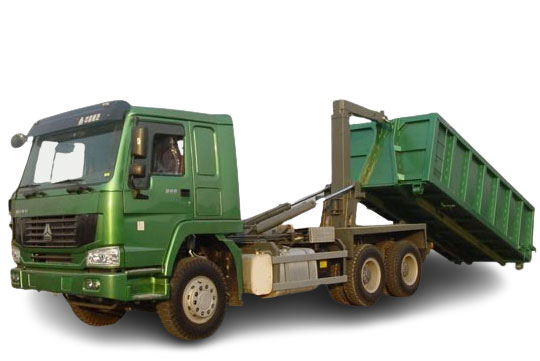
load capacity of howo dump truck
If you're in the market for a reliable dump truck that can handle demanding workloads, understanding the load capacity of a Sinotruck Howo dump truck is crucial. These vehicles are engineered for heavy-duty applications, from mining and construction to road maintenance and bulk material transport. The load capacity of Howo dump trucks isn't a one-size-fits-all specification—it varies significantly based on the model, chassis configuration, and body design.
Let's break down the key factors that determine how much a Howo dump truck can carry. The gross vehicle weight (GVW) and gross combination weight (GCW) ratings set the legal and operational limits. the popular Howo ZZ3257N3647W model typically has a GVW of 25,000 kg, with a payload capacity hovering around 15,000 kg depending on the body build. Heavier models like the Howo ZZ3407S3260W can handle payloads exceeding 20,000 kg. The dump body volume, measured in cubic meters, also plays a critical role. Standard coal mining bodies might offer 16-18 m³, while larger rock bodies could be 12-14 m³ due to material density differences.
When selecting the right Howo dump truck for your project, consider both the legal weight limits in your region and the material density you'll be hauling. A truck configured for lightweight but bulky materials like coal will have a different optimal load capacity than one designed for dense quarry stones. The Howo 6x4 dump truck configuration remains the industry favorite for its balance of traction and payload capability, particularly on rough terrain. For even heavier demands, the 8x4 models provide enhanced stability and load capacity.
From personal experience operating these trucks in mining applications, I've found the Howo dump truck loading capacity specifications to be conservative and reliable. The robust chassis and suspension systems maintain structural integrity even when consistently loaded to near maximum capacity. Proper load distribution is essential—I always recommend consulting with your Sinotruck dealer to match the truck's load capacity with your specific hauling requirements. They can provide detailed specifications for each model and help you calculate the actual payload based on your typical materials and operating conditions.
Maintaining optimal load capacity over the truck's lifespan requires attention to several factors. Regular suspension maintenance, proper tire inflation, and avoiding overload situations will preserve the vehicle's structural integrity and loading capabilities. Many Howo owners make the mistake of consistently overloading by just 5-10%, which might seem insignificant but accelerates wear on critical components like the chassis, brakes, and powertrain.
The engineering behind Howo dump truck weight capacity focuses on durability and safety. These trucks incorporate high-strength steel frames and reinforced crossmembers that distribute load stress evenly. When you're comparing specifications, pay close attention to the axle load ratings—this often becomes the limiting factor before the overall GVW, especially in regions with strict bridge laws. The Howo dump truck specifications sheet will detail these limitations clearly, allowing you to make informed decisions about configuration options.
maximizing the load capacity of your Howo dump truck means matching the right model to your specific application while adhering to legal weight restrictions. The versatility across the Howo dump truck series means there's typically an ideal configuration for everything from urban construction projects to remote mining operations. With proper selection and maintenance, these trucks deliver consistent performance at their rated capacities throughout their service life.
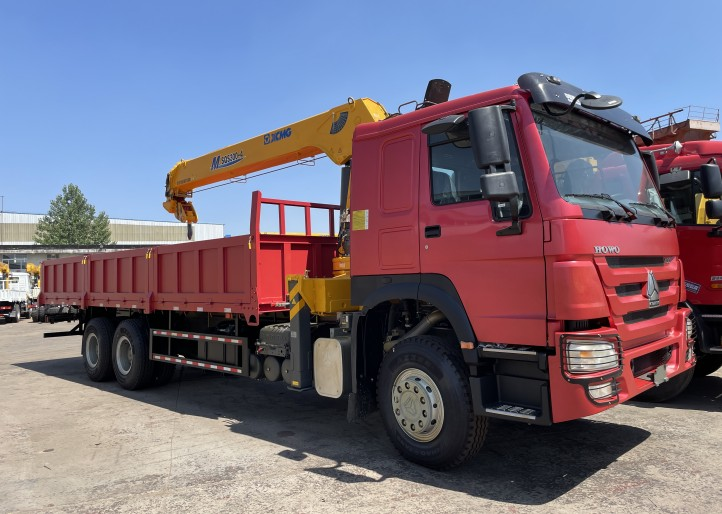
capacity of howo dump truck
If you're in the market for a robust and reliable dump truck, understanding the capacity of a Sinotruk Howo dump truck is crucial for making an informed decision. The term "capacity" can refer to several aspects, but most commonly, it points to the payload capacity – the maximum weight of material the truck can carry – and the volumetric capacity of its dump body. Let's break down what you need to know.
The payload capacity of a Howo dump truck isn't a single number; it varies significantly based on the specific model and configuration. Generally, you'll find models ranging from lighter-duty options with a capacity of around 20 tons (approximately 40,000 lbs) to heavy-duty workhorses capable of handling 40 tons (approximately 80,000 lbs) or even more. the popular HOWO A7 series often features models with payload capacities in the 25 to 35-ton range. This capacity is directly tied to the truck's Gross Vehicle Weight (GVW) rating, a critical figure regulated by local transportation authorities. Exceeding this capacity is not only illegal but also dangerous, putting excessive strain on the chassis, axles, and braking system.
When we talk about the volumetric capacity of the dump body itself, this is typically measured in cubic meters (m³) or cubic yards (yd³). Common dump body sizes for Howo trucks can range from 12 m³ to over 30 m³. A standard 6x4 Howo dump truck, a common sight on construction sites, often comes with a body capacity of around 16 to 22 cubic meters. The actual volume you need depends entirely on the material you're hauling. A cubic meter of sand weighs far more than a cubic meter of wood chips, so the payload capacity will always be your ultimate limiting factor.
Several key factors influence the final capacity of your Howo dump truck. The chassis strength and the number of axles are primary determinants. A 6x4 configuration (three axles, with the rear two powered) is a versatile choice for many applications, while an 8x4 configuration (four axles) is built for maximum legal payloads on suitable roads. The type of suspension—leaf spring or air suspension—also plays a role in ride quality and load stability. the material of the dump body, whether high-tensile steel or a lighter aluminum alloy, can affect the truck's tare weight, thereby influencing its potential payload.
Choosing the right capacity for your Howo dump truck is about matching the truck to your job. For quarry work or major earthmoving projects involving dense materials like rock or gravel, you'll want to maximize the payload capacity with a robust 8x4 model. For general construction, demolition, or asphalt hauling, a versatile 6x4 model is often the perfect balance of power, maneuverability, and capacity. It's always recommended to consult directly with a Sinotruk dealer or a specialist who can help you configure a truck based on your specific material density and operational requirements. Getting the capacity right from the start ensures maximum productivity, efficiency, and compliance on your worksite.
Relevant Materials