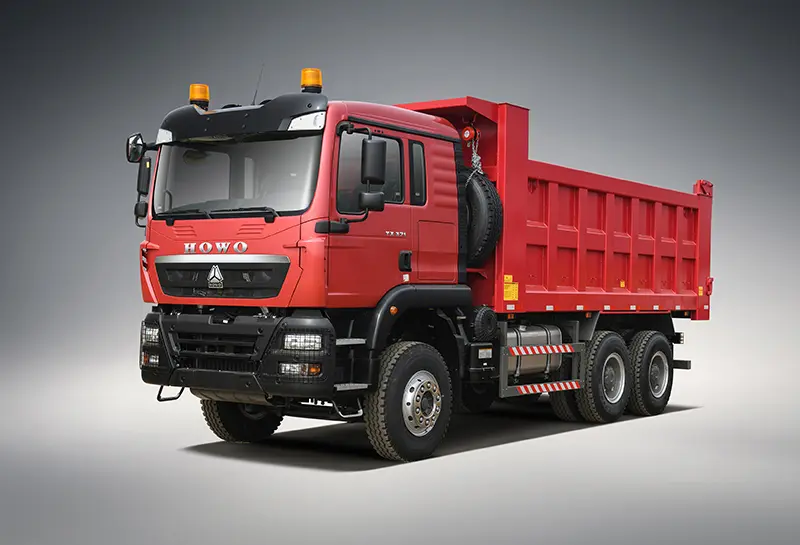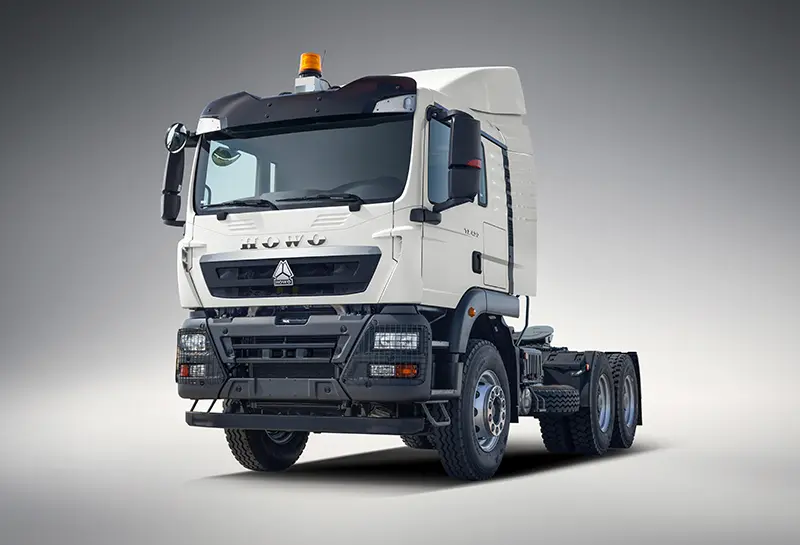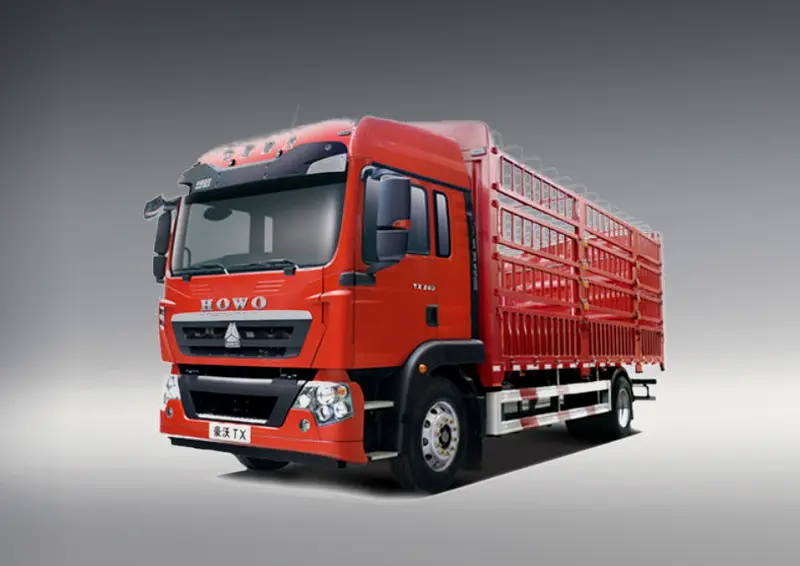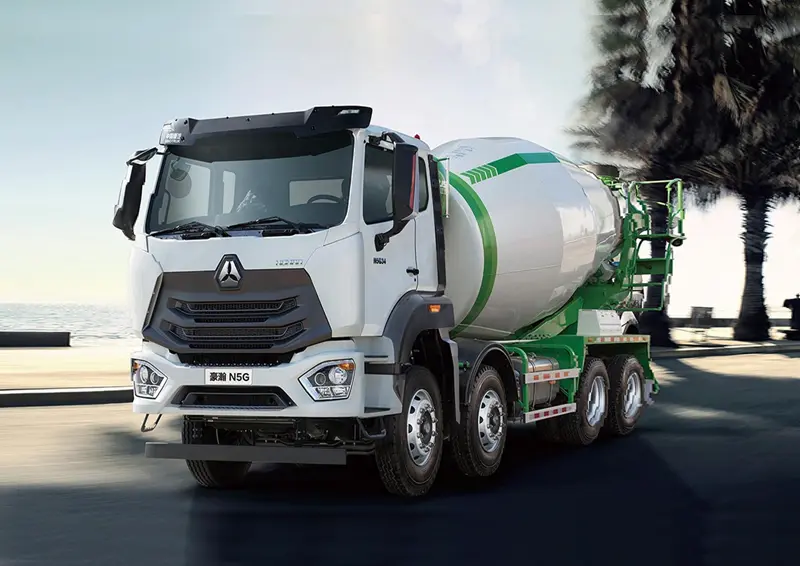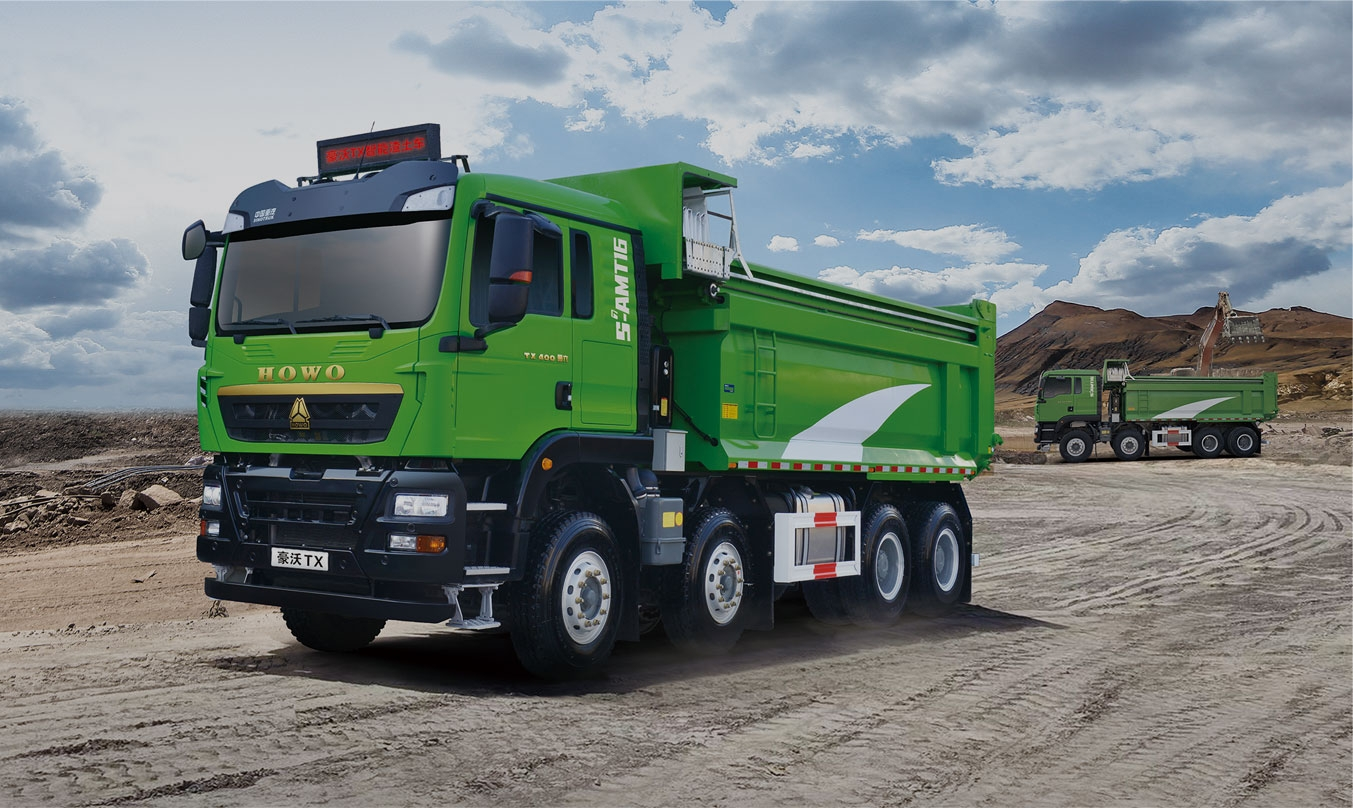
Knowing exactly when to change oil in Howo trucks is one of the most critical aspects of ownership that directly impacts engine longevity, fuel efficiency, and overall operational costs. As a heavy-duty workhorse, the Sinotruk Howo demands a disciplined maintenance schedule, and getting the oil change interval wrong can lead to premature wear and costly downtime.
The golden rule for most Howo models, whether they're running the robust WP10H, WP12, or WP13 series engines, is to follow a time-and-mileage matrix. Relying solely on mileage is a common mistake. For operators, the specific interval depends heavily on two primary factors: the type of operation and the oil quality used.
Never compromise on oil quality. Howo engines are designed to perform with specific API-rated oils. For modern Howo trucks, you should always use a minimum of API CK-4 or the China-specific GB 11122-2006 standard. Using a premium full-synthetic oil, while more expensive upfront, can provide superior protection, better performance in temperature extremes, and potentially allow for extended drain intervals under normal duty. always consult your specific engine manual before extending changes based on oil type alone.
Beyond the scheduled intervals, a hands-on operator should always be aware of these tell-tale signs:
Remember, the oil filter must be replaced with every oil change. A high-quality filter is non-negotiable. For the Howo's rugged transmission, whether it's a manual Fast Gear 9-speed or 12-speed or an Allison automatic, adhere to the manufacturer's separate service intervals for transmission fluid, which are typically longer than engine oil intervals.
Adopting a proactive approach to oil changes is a small investment that pays massive dividends. It protects the heart of your truck—the engine—ensuring your Sinotruk Howo remains a reliable and profitable asset on the road for years and hundreds of thousands of kilometers to come.
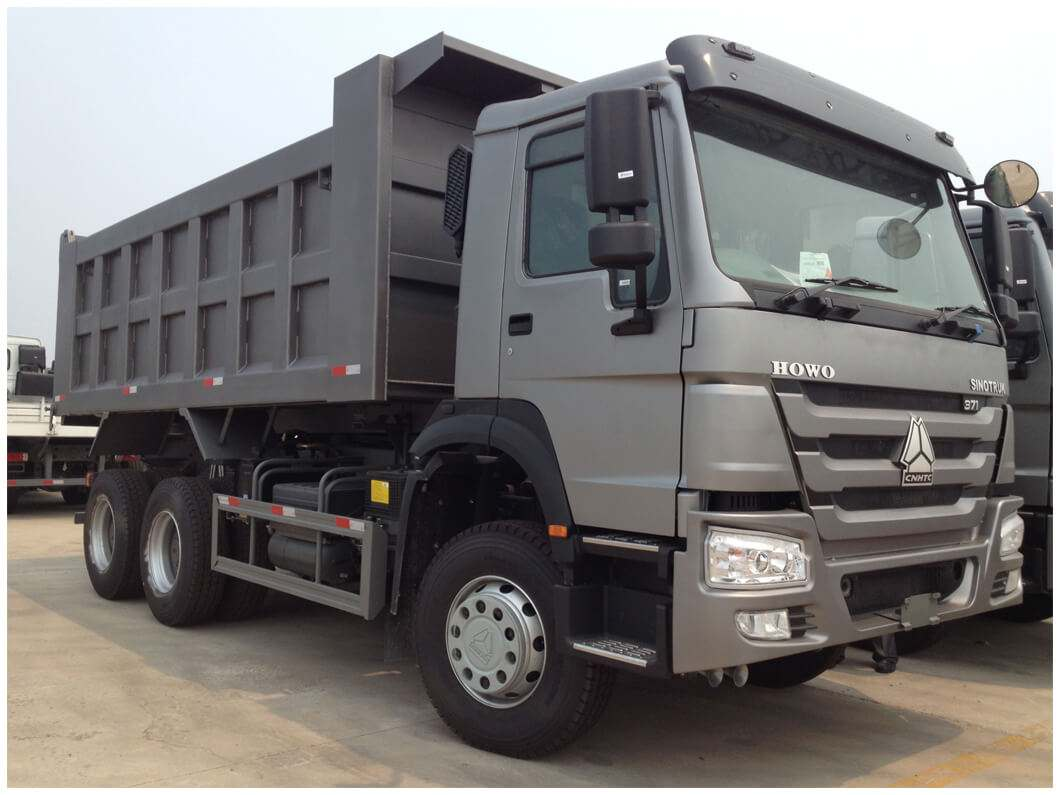
As a seasoned Sinotruk Howo specialist with over 15 years in heavy-duty truck maintenance, I've seen firsthand how modern trucks intelligently manage oil changes. Your truck's ability to determine when to change oil revolves around sophisticated monitoring systems that track both operational data and oil condition metrics.
Most modern Howo trucks utilize an integrated oil life monitoring system that calculates oil degradation based on multiple parameters. The engine control module continuously analyzes driving patterns, engine load, temperature fluctuations, and operating hours. frequent short hauls in extreme temperatures will trigger earlier oil change recommendations compared to long-distance highway driving under optimal conditions.
The system employs advanced algorithms that consider:
Many Howo models also feature oil quality sensors that directly measure viscosity, dielectric constant, and contamination levels. These sensors can detect fuel dilution, soot accumulation, and the presence of coolant in the oil - all critical factors that determine remaining oil life. When the system detects that the oil can no longer provide adequate protection, it triggers the change oil indicator on your dashboard.
For optimal performance, I recommend paying attention to your specific driving conditions. Heavy loads, frequent stop-and-go traffic, and extreme temperatures all accelerate oil degradation. Even with advanced monitoring systems, regularly checking your oil level and condition manually remains crucial for preventive maintenance.
Understanding how your truck's oil change monitoring works helps you make informed decisions about maintenance schedules. While the system provides excellent guidance, combining its alerts with regular manual inspections ensures your Howo truck maintains peak performance and longevity. Always consult your owner's manual for manufacturer-specific recommendations tailored to your particular model and operating environment.
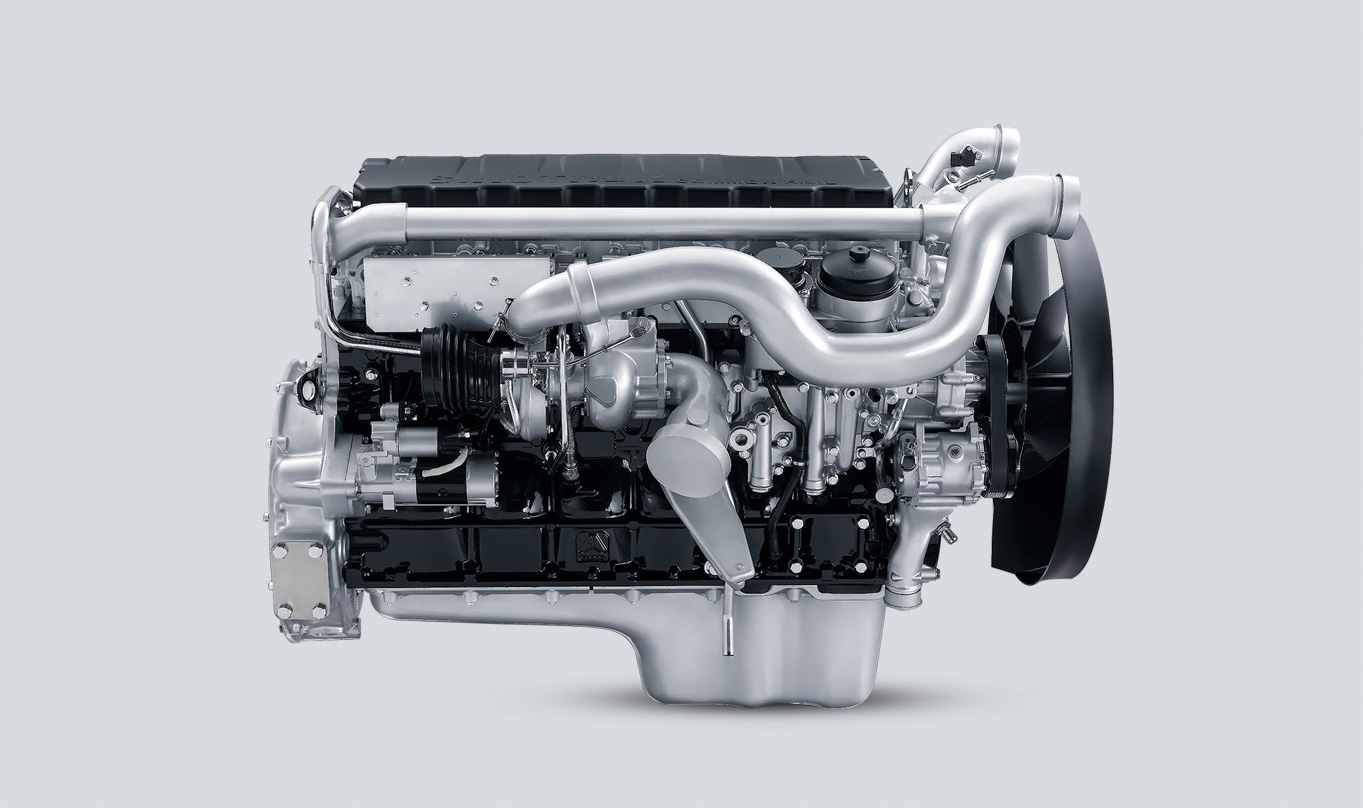
Knowing precisely when to change oil in truck engines is one of the most critical maintenance practices for any fleet manager or owner-operator. As someone who has worked with Sinotruk Howo trucks for over a decade, I've seen firsthand how proper oil change intervals can extend engine life by thousands of hours while preventing costly downtime.
For modern heavy-duty diesel engines like those in Howo trucks, the old rule of changing oil every 3,000 miles has become obsolete. Today's synthetic oils and advanced filtration systems allow for significantly extended intervals, but this doesn't mean you can simply set a calendar reminder and forget about it.
The optimal time for changing truck engine oil depends on several key factors:
In my experience maintaining Howo truck fleets, I've found that most operators should consider oil changes between 15,000-25,000 miles for on-highway applications, or every 500-600 engine hours for mixed-use vehicles. these are just starting points - the actual interval for changing oil in your truck might differ based on your specific operation.
Don't overlook the importance of oil filter replacement timing either. Always install a new filter with every oil change, and consider your filtration system's capacity when determining service intervals. High-quality filters can sometimes extend drain periods, but never beyond the oil's maximum service life.
Monitoring oil condition between changes is equally important. Check oil levels weekly and look for signs of contamination or degradation. Dark oil isn't necessarily bad oil - modern detergents cause oil to darken quickly while still maintaining protective properties. Instead, watch for fuel smell, coolant contamination, or metallic particles that indicate underlying issues.
Remember that proper oil change procedures matter as much as timing. Always warm up the engine before draining to suspend contaminants in the oil, use precisely the recommended oil grade and viscosity, and never mix different oil types. For Sinotruk Howo trucks, I consistently recommend using manufacturer-approved CH-4 or CI-4 rated oils for optimal performance.
Ultimately, determining when to change oil in truck engines requires balancing manufacturer guidelines with real-world operating conditions. While extended intervals can reduce maintenance costs, erring on the side of caution often proves cheaper than premature engine overhaul. When in doubt, consult with a certified heavy truck technician or perform regular oil analysis to establish the perfect change schedule for your specific operation.
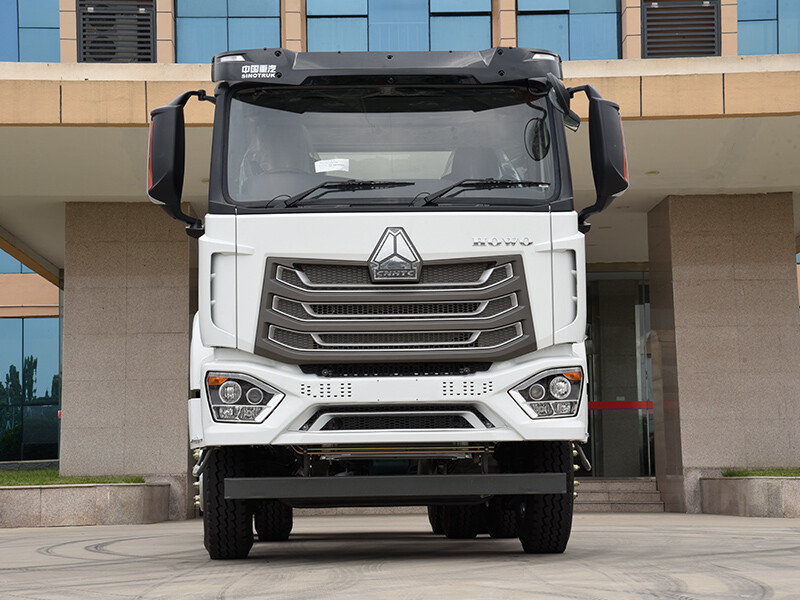
The SINOTRUK HOWO series represents the pinnacle of Chinese heavy-duty truck engineering, combining German MAN technology with superior manufacturing craftsmanship. Designed for exceptional performance, reliability, and economy, the HOWO series has become a preferred choice for logistics and transport operations worldwide.
Equipped with SINOTRUK's proprietary MC series engines, delivering up to 540 HP and 2500 N·m torque with excellent hill-climbing capability.
Comprehensive safety features including ABS+ASR+ESC, lane departure warning, and forward collision warning systems.
Four-point suspended cab, air-suspension seat, multifunction steering wheel, and automatic climate control for reduced driver fatigue.
Advanced SCR technology meets China VI emission standards with 5-8% lower fuel consumption than comparable models.
HOWO trucks excel in long-haul transportation with their fuel efficiency and driver comfort features, making them ideal for logistics companies.
Highway Line-haulWith robust frame structures and exceptional load capacity, HOWO trucks perform reliably in demanding construction environments.
Off-road Heavy loadReliable power systems and precise temperature control compatibility meet strict requirements for perishable goods transportation.
Refrigerated Temperature-controlledSINOTRUK HOWO incorporates cutting-edge technologies that set new standards in the heavy-duty truck industry:
Advanced driver assistance systems (ADAS) including adaptive cruise control, intelligent braking, and fatigue monitoring.
Real-time vehicle monitoring, remote diagnostics, and fleet management integration for optimized operations.
SINOTRUK HOWO series meets international quality and safety standards:
SINOTRUK HOWO trucks have gained international recognition and are operating successfully in diverse markets around the world:
Market leader in Southeast Asia with strong presence in Thailand, Vietnam, and Philippines.
Extensive service network across Africa with proven performance in challenging conditions.
HOWO models meet stringent European standards with growing presence in Eastern European markets.
"Our fleet of 20 HOWO T7H trucks has demonstrated 40% lower failure rate compared to our previous brand, with significantly better fuel economy that reduces our operating costs."
"The driver comfort in HOWO trucks is exceptional. The reduced fatigue on long hauls has improved our safety record and driver retention significantly."
"SINOTRUK's after-sales service network is comprehensive. Even in remote areas, we receive prompt technical support and parts availability."
"Our HOWO dump trucks have proven incredibly reliable in harsh construction environments, with excellent load capacity and minimal downtime."
SINOTRUK HOWO series meets international quality and safety standards:
International quality management system certification ensuring consistent product quality.
European safety standard for cab strength and occupant protection.
Compliance with the latest Chinese emission regulations.
Standard maintenance intervals are 15,000 km for oil changes and 30,000 km for comprehensive servicing, though this may vary based on operating conditions.
SINOTRUK offers a comprehensive warranty package including 24 months or 200,000 km coverage (whichever comes first) for the base vehicle and 12 months or 100,000 km for specific components.
HOWO trucks offer comparable performance and reliability to European brands at a more competitive price point, with lower maintenance costs and excellent parts availability.
Depending on model and operating conditions, HOWO trucks typically achieve 25-30 liters per 100 km, which is 5-8% better than industry averages for comparable vehicles.