On This Page
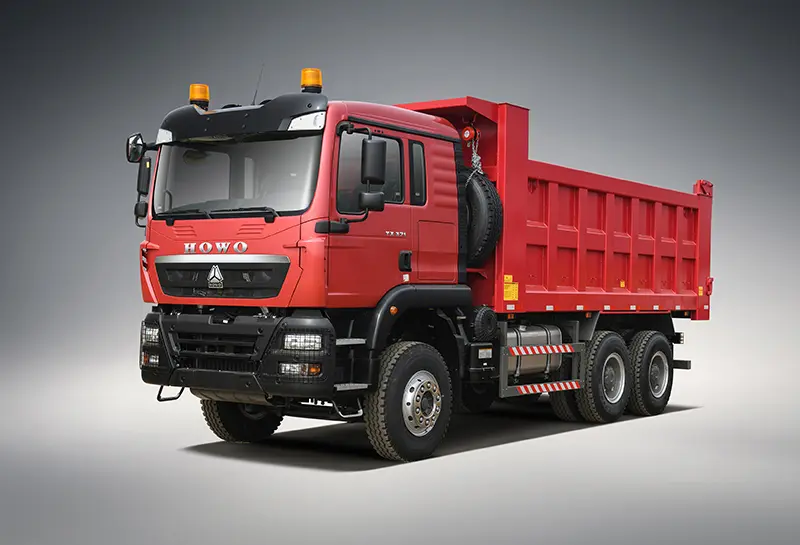
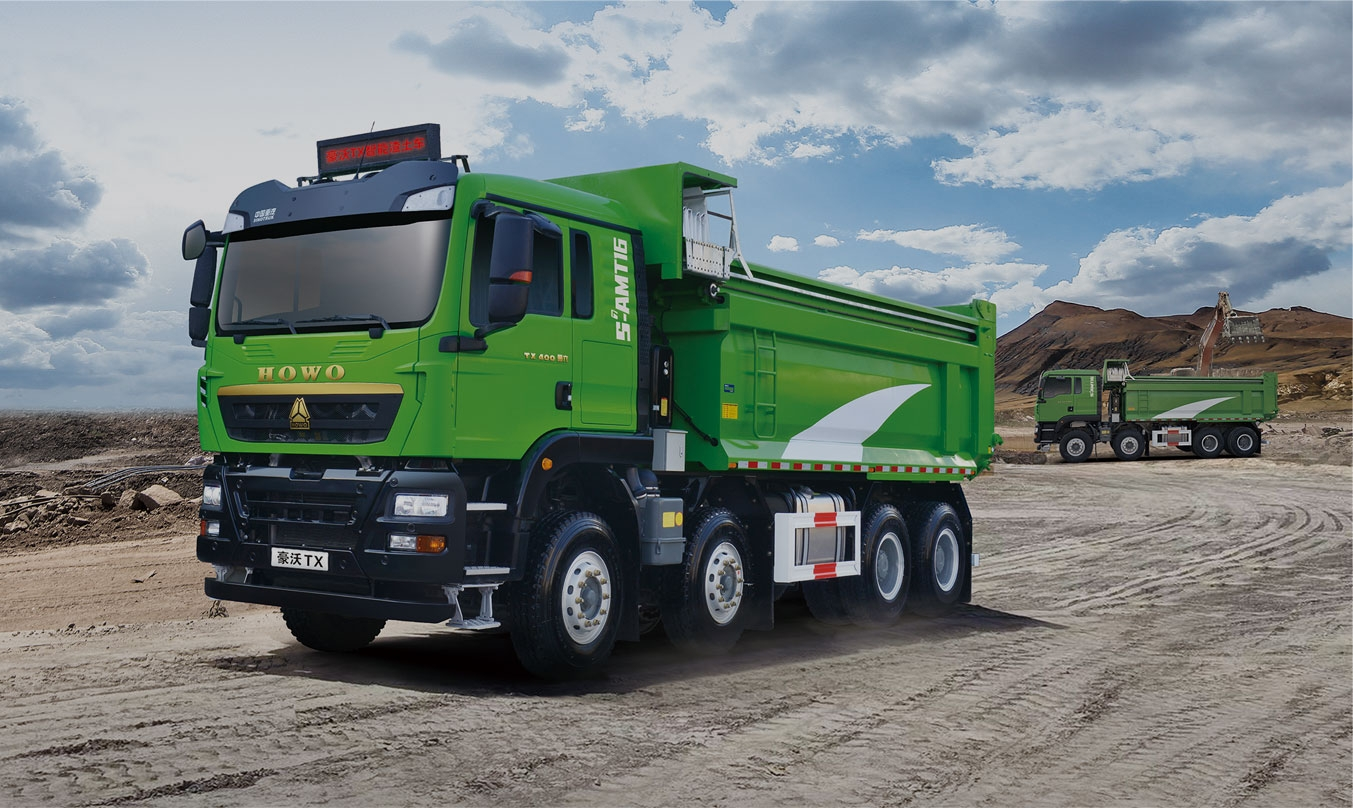
When you're in the market for a heavy-duty hauler, getting the right Howo trucks dump view is critical. This perspective isn't just about a quick glance at a photo; it's about a comprehensive understanding of the truck's capabilities, design, and how it fits your specific operational needs. Let's dive deep into what makes a Sinotruk Howo dump truck a formidable piece of machinery.
The foundation of any reliable dump truck is its chassis. The Sinotruk Howo is built on a high-tensile strength steel ladder frame, designed to withstand the immense stress of heavy payloads and rough terrain. For the 6x4 and 8x4 models commonly used as dump trucks, the frame is reinforced at critical stress points, particularly around the hydraulic hoist mounting. This robust construction ensures structural integrity when the dump body is fully raised, a moment of peak load. The dump truck specifications for the frame often include a yield strength exceeding 700 MPa, which is a key detail for operators who need to know the machine's limits.
Under the hood, you'll typically find the legendary WEICHAI powerplant. Two workhorse engines dominate the lineup:
This power is efficiently transferred through a FAST Gear or ZF transmission, often a 9-speed or 10-speed manual, known for their durability and smooth shifting under load. The combination of high-torque engines and robust transmissions is a core part of the Howo truck performance review that consistently earns positive marks from drivers.
The "dump" in howo trucks dump view is, of course, all about the body and the system that lifts it. Howo offers a variety of body sizes, typically ranging from 10 to 20 cubic meters for standard models, with custom options available. The bodies are constructed from high-strength, abrasion-resistant steel to handle the impact of loaded materials like rock and sand.
The hydraulic system is the muscle. It commonly features a reliable telescopic hoist, either a twin-cylinder or triple-cylinder design, providing a smooth and powerful lift. The lift angle is crucial; a full lift of 45 to 50 degrees ensures a complete and clean discharge of material. When evaluating the Sinotruk Howo dump body features, pay close attention to the hoist cycle time—the time it takes to fully raise and lower the bed. A faster cycle time means more trips per day and increased productivity.
Payload is profit. The Howo 6x4 dump truck typically boasts a legal payload capacity of 15 to 25 tons, while the 8x4 configuration can handle 25 to 31 tons, depending on local regulations and specific model configurations. This impressive capacity is supported by heavy-duty axles, with the HLZ brand being a common and trusted component. The rear axles often have a double-reduction gear design for maximum torque transfer and durability. For anyone conducting a Howo truck specifications comparison, the Gross Vehicle Weight (GVW) and Gross Combined Weight (GCW) ratings are non-negotiable data points to verify.
A productive driver is a comfortable driver. The Howo cab is designed for long-haul comfort within a worksite context. It features a comfortable, adjustable air-suspension seat, a logically laid-out dashboard with clear instrumentation, and excellent visibility—a key part of the driver's dump view for safe maneuvering. Sound insulation is substantial, reducing in-cab noise to levels that allow for normal conversation even under heavy engine load. Modern models also include amenities like air conditioning and provisions for audio systems, making those long shifts more manageable.
Ultimately, a comprehensive howo trucks dump view reveals a machine engineered for resilience, power, and productivity. By focusing on the specific technical details—from the torque curve of the WP10H engine to the lift capacity of the hydraulic system—you can make an informed decision that will pay dividends on your worksite for years to come.
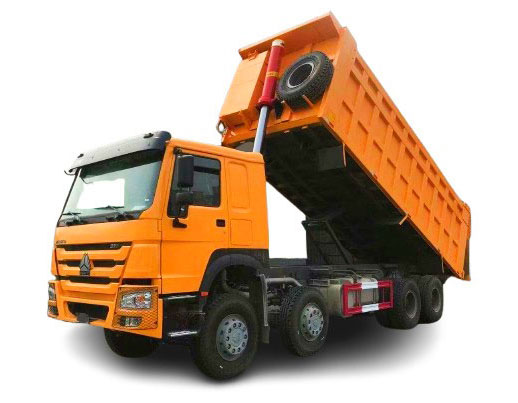
When you're in the market for a robust and reliable dump truck, understanding the specific dimensions of a Sinotruck Howo dump truck is crucial for your operations. I've spent years working directly with these vehicles, from procurement to on-site application, and I can tell you that getting the measurements right the first time saves immense time, money, and hassle. The dimensions directly impact everything from loading capacity and stability to legal road compliance and maneuverability on a worksite.
Let's break down the typical dimensions you'll encounter. The Howo dump truck series, particularly the popular HOWO ZZ3257N3647W model, often features a wheelbase of 3,800mm + 1,350mm. The overall length for a standard 6x4 configuration hovers around 8,610 mm, while the overall width is typically 2,496 mm. The overall height, unloaded, is generally about 3,450 mm. These are the foundational measurements that determine the truck's footprint. the most critical dimension for your business is likely the dump body size. A standard coal mining body might have internal dimensions of 5,600 mm in length, 2,300 mm in width, and 1,200 mm in height, giving you a clear idea of the volumetric capacity.
Why do these specific Howo dump truck specs matter so much? From a practical standpoint, the overall width ensures the truck can navigate standard traffic lanes and site gates without issue. The wheelbase is a key factor in the vehicle's turning radius and load distribution. A longer wheelbase generally offers a smoother ride and better weight distribution for heavy loads, which is essential for the durability of the chassis. When we discuss the dump body dimensions, we're directly talking about your payload and profitability. Knowing the exact internal volume helps you calculate how much material—be it sand, gravel, or demolition waste—you can transport per trip, ensuring you operate at maximum efficiency without overloading.
It's also vital to consider the context of your operation. if you're working in mining or large-scale earthmoving, you might be looking at the Howo 70 ton mining dump truck, which has a completely different scale of dimensions. Its overall length can exceed 9 meters, with a width of over 3 meters. Conversely, for urban construction projects with tight spaces, the overall height and length become paramount to avoid low bridges and navigate narrow streets. I've personally overseen projects where a few centimeters in the overall height made the difference between a truck being site-ready or requiring a costly and time-consuming detour.
Beyond the basic numbers, you must account for the legal gross vehicle weight (GVW) in your region. The dimensions of the Howo dump truck are designed to support specific payloads while remaining within legal limits. a truck with the dimensions mentioned earlier is often rated for a GVW of 25,000 kg. Always cross-reference the truck's dimensions with your local transportation regulations to ensure compliance and avoid fines. Having the precise Howo truck measurement data allows you to make an informed decision that balances capacity with legality.
In my experience, the best practice is to never rely on generic specifications alone. While the figures I've provided are standard for many models, Sinotruck Howo offers various configurations. I strongly recommend contacting your local authorized dealer with your specific project requirements. They can provide the most accurate and up-to-date dimension sheet for the exact Howo dump truck model you're considering, ensuring it's a perfect fit for your operational needs and site constraints. Getting the dimensions right is the first and most critical step toward a successful investment.
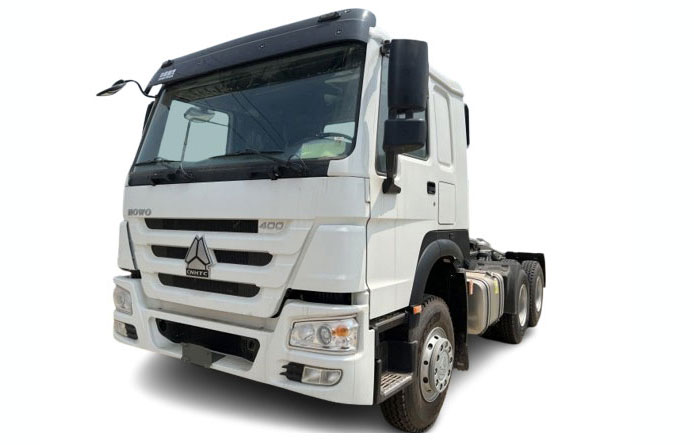
When you're evaluating a heavy-duty workhorse like a Sinotruck Howo dump truck, the side view isn't just an aesthetic consideration; it's a critical vantage point that reveals the machine's true character and capability. From this angle, you can assess the chassis strength, body dimensions, and overall design philosophy that makes the Howo a dominant force on construction sites and mining operations worldwide.
Let's break down what you're actually seeing. The Howo dump truck side profile immediately showcases its robust ladder-type frame, engineered from high-tensile steel. This isn't just for show—it's the backbone that allows the truck to handle immense stress from heavy, uneven loads without flexing or warping. Following the line from the front bumper to the rear, you'll notice the clean, utilitarian design. There are no frivolous curves; every contour is there to serve a purpose, maximizing structural integrity and load capacity.
A key feature visible from the side is the dump body itself. The geometry of the hopper is designed for optimal load distribution and efficient material ejection. The sides are typically reinforced with high-strength, wear-resistant steel plates to withstand the constant abrasion from rocks and aggregates. When you look at a Sinotruck Howo side view, you're also getting a clear look at the placement of the hydraulic lift cylinder. Its size and positioning are telltale signs of the truck's lifting power and stability during the tipping process.
Beyond the body, the side perspective allows for a detailed inspection of the suspension system. Most Howo dump trucks feature a rugged multi-leaf spring suspension, perfectly visible from this angle. This setup is crucial for absorbing the shocks and vibrations of off-road terrain while maintaining vehicle stability, whether the truck is loaded or empty. The placement of the fuel tank, air reservoirs, and battery boxes is also strategically laid out along the frame rails, keeping them protected and contributing to a balanced weight distribution, which is vital for safe operation.
For anyone operating or maintaining these trucks, the Howo truck side inspection is a daily routine. From this view, you can easily check tire condition and alignment, look for any signs of fluid leaks along the chassis, and inspect the integrity of the exhaust system. The accessibility of key components from the side makes routine maintenance tasks more straightforward, reducing downtime. The design prioritizes the mechanic's and operator's needs, which is a hallmark of a truck built for real-world productivity.
Ultimately, analyzing the Howo dump truck side view provides a wealth of practical information. It tells you about the truck's durability, its operational efficiency, and its suitability for your specific hauling requirements. It's a perspective that blends engineering insight with practical application, confirming why the Sinotruck Howo remains a top choice for professionals who need a reliable and powerful partner on the job site.
The SINOTRUK HOWO series represents the pinnacle of Chinese heavy-duty truck engineering, combining German MAN technology with superior manufacturing craftsmanship. Designed for exceptional performance, reliability, and economy, the HOWO series has become a preferred choice for logistics and transport operations worldwide.
Equipped with SINOTRUK's proprietary MC series engines, delivering up to 540 HP and 2500 N·m torque with excellent hill-climbing capability.
Comprehensive safety features including ABS+ASR+ESC, lane departure warning, and forward collision warning systems.
Four-point suspended cab, air-suspension seat, multifunction steering wheel, and automatic climate control for reduced driver fatigue.
Advanced SCR technology meets China VI emission standards with 5-8% lower fuel consumption than comparable models.
HOWO trucks excel in long-haul transportation with their fuel efficiency and driver comfort features, making them ideal for logistics companies.
Highway Line-haulWith robust frame structures and exceptional load capacity, HOWO trucks perform reliably in demanding construction environments.
Off-road Heavy loadReliable power systems and precise temperature control compatibility meet strict requirements for perishable goods transportation.
Refrigerated Temperature-controlledSINOTRUK HOWO incorporates cutting-edge technologies that set new standards in the heavy-duty truck industry:
Advanced driver assistance systems (ADAS) including adaptive cruise control, intelligent braking, and fatigue monitoring.
Real-time vehicle monitoring, remote diagnostics, and fleet management integration for optimized operations.
SINOTRUK HOWO series meets international quality and safety standards:
SINOTRUK HOWO trucks have gained international recognition and are operating successfully in diverse markets around the world:
Market leader in Southeast Asia with strong presence in Thailand, Vietnam, and Philippines.
Extensive service network across Africa with proven performance in challenging conditions.
HOWO models meet stringent European standards with growing presence in Eastern European markets.
"Our fleet of 20 HOWO T7H trucks has demonstrated 40% lower failure rate compared to our previous brand, with significantly better fuel economy that reduces our operating costs."
"The driver comfort in HOWO trucks is exceptional. The reduced fatigue on long hauls has improved our safety record and driver retention significantly."
"SINOTRUK's after-sales service network is comprehensive. Even in remote areas, we receive prompt technical support and parts availability."
"Our HOWO dump trucks have proven incredibly reliable in harsh construction environments, with excellent load capacity and minimal downtime."
SINOTRUK HOWO series meets international quality and safety standards:
International quality management system certification ensuring consistent product quality.
European safety standard for cab strength and occupant protection.
Compliance with the latest Chinese emission regulations.
Standard maintenance intervals are 15,000 km for oil changes and 30,000 km for comprehensive servicing, though this may vary based on operating conditions.
SINOTRUK offers a comprehensive warranty package including 24 months or 200,000 km coverage (whichever comes first) for the base vehicle and 12 months or 100,000 km for specific components.
HOWO trucks offer comparable performance and reliability to European brands at a more competitive price point, with lower maintenance costs and excellent parts availability.
Depending on model and operating conditions, HOWO trucks typically achieve 25-30 liters per 100 km, which is 5-8% better than industry averages for comparable vehicles.