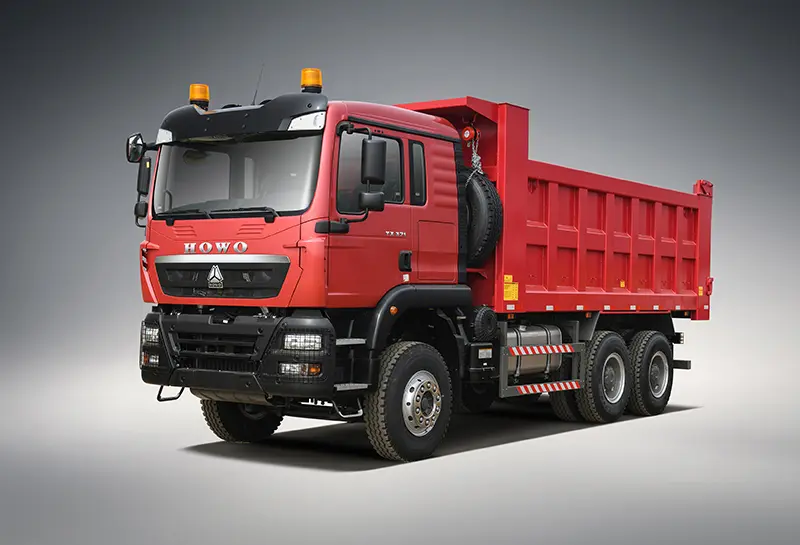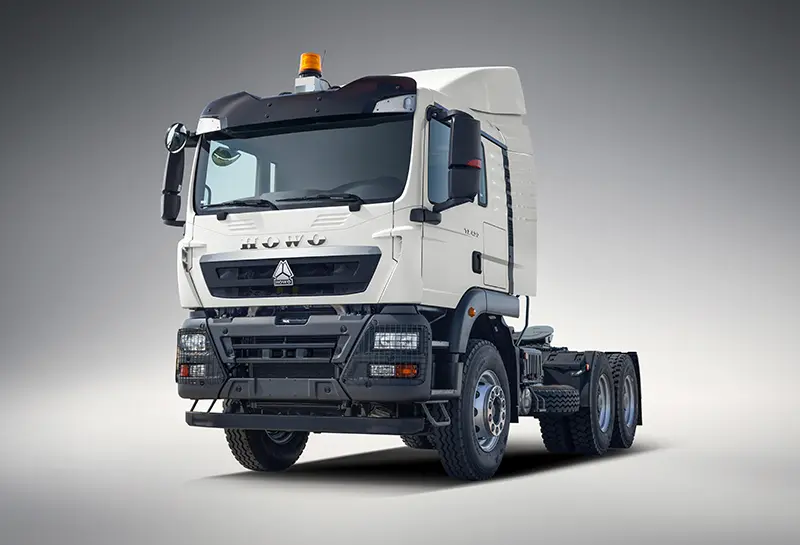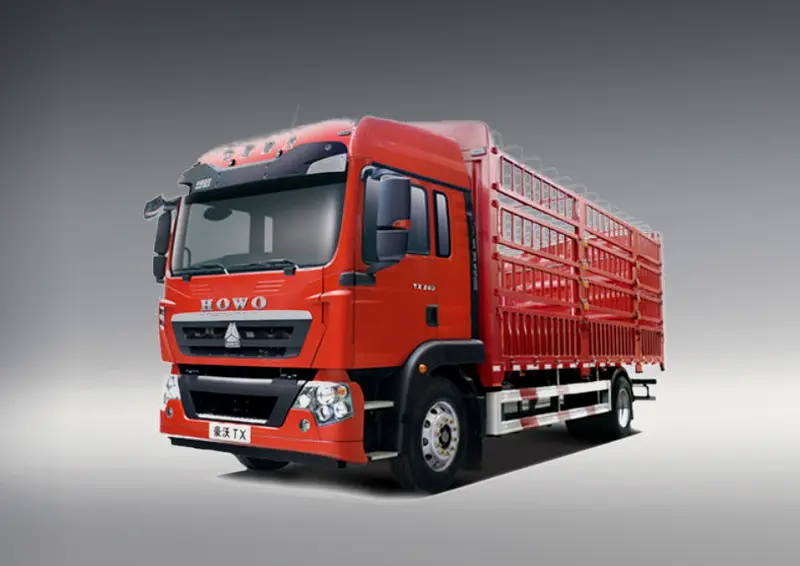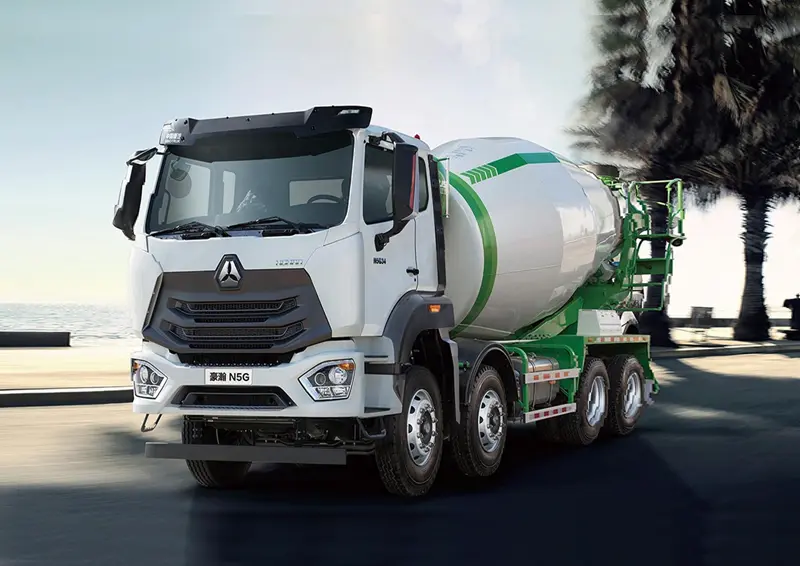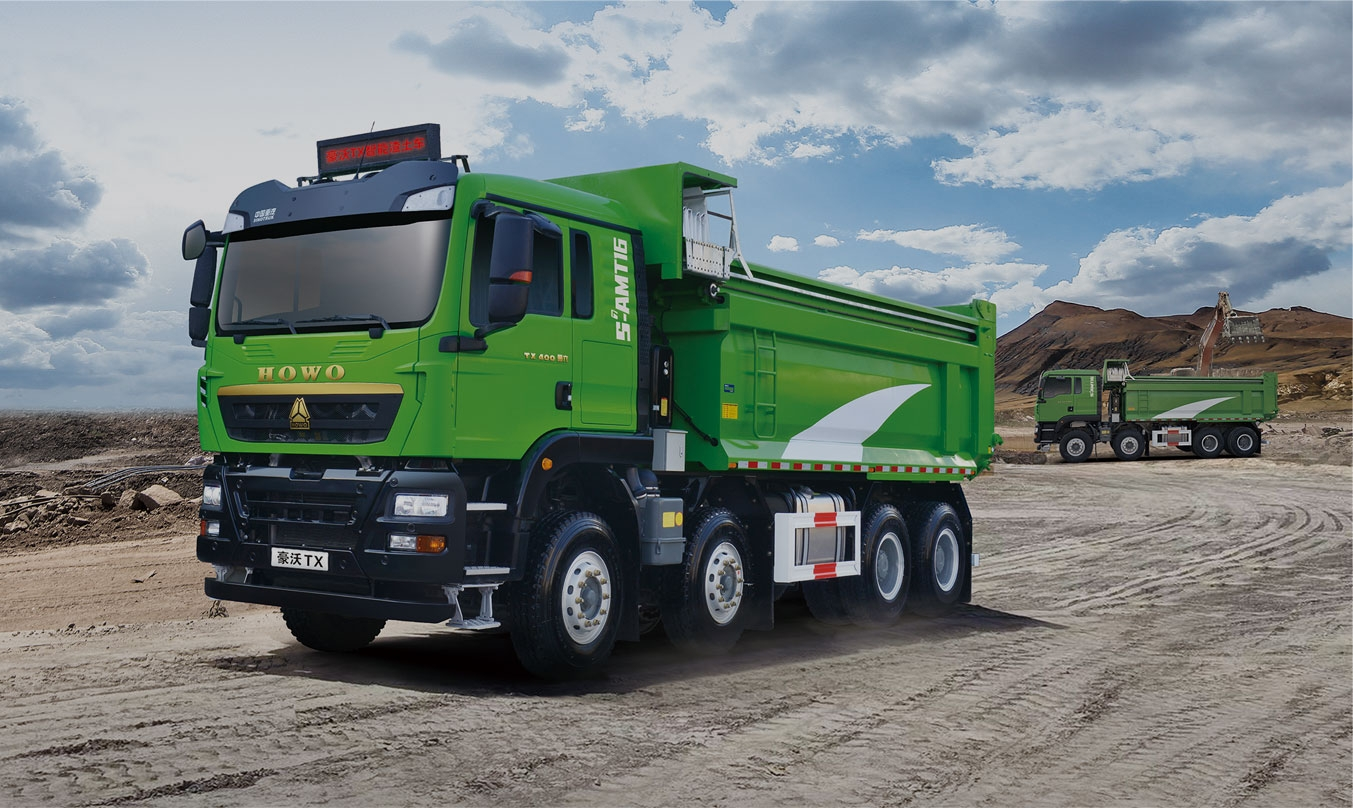
When you're dealing with a HOWO dump truck engine no issue, the first thing to understand is that this isn't a single problem—it's a symptom. That "no" typically means the engine is either not cranking or not starting, and the root cause can range from simple electrical gremlins to serious mechanical failures. Based on years in the field, the most common culprits for a Sinotruk HOWO dump truck engine not running are found in three key systems: electrical, fuel, and air.
Let's start with the electrical system, as it's often the quickest to diagnose. A dead battery or corroded terminals are frequent offenders, especially on worksites where trucks sit between shifts. The HOWO's 24-volt system requires strong, clean connections. check the starter motor and solenoid. A definitive sign of a failing starter is a loud, singular "click" when you turn the key with no subsequent cranking. Don't overlook the alternator; if it's not charging the system, the battery will drain quickly, leading to a no-start condition.
If the engine is cranking but not firing, your attention should immediately shift to the fuel system. For HOWO dump trucks equipped with the common WP10H or WP12 engines, this means verifying fuel pressure. A clogged primary fuel filter is an extremely common issue, particularly if fuel quality is questionable. The secondary filter and water separator should also be inspected and replaced per the service schedule. Listen for the distinct humming of the electric lift pump when you turn the ignition to the 'on' position; if it's silent, you've likely found your problem. For deeper issues, the high-pressure fuel pump and injectors require professional diagnostic equipment to test for proper pressure and spray patterns.
Air intake and exhaust restrictions can also prevent a HOWO engine from starting. A severely clogged air filter will starve the engine of oxygen. While less common, a completely blocked exhaust system, perhaps from a crushed pipe or a frozen DPF (Diesel Particulate Filter), can create enough backpressure to halt combustion.
For persistent HOWO dump truck engine no start situations, the ECU (Engine Control Unit) can be a source of valuable clues. Using a compatible diagnostic scanner to read fault codes is not a guesswork solution; it provides direct insight into what the engine's computer is seeing. Common fault codes related to a no-start might point to cam/crank sensor synchronization errors, rail pressure problems, or communication errors with the immobilizer system, if equipped.
Prevention is always better than a diagnosis on a muddy worksite. Adhering to a strict maintenance schedule is non-negotiable for HOWO dump truck reliability. This means regular changes of fuel filters (every 10,000 km or as per operating conditions), air filter inspections, and ensuring the battery and charging system are tested seasonally. Using clean, high-quality diesel is one of the simplest yet most effective ways to avoid fuel system-related no-start problems, protecting your investment in that robust HOWO powertrain.
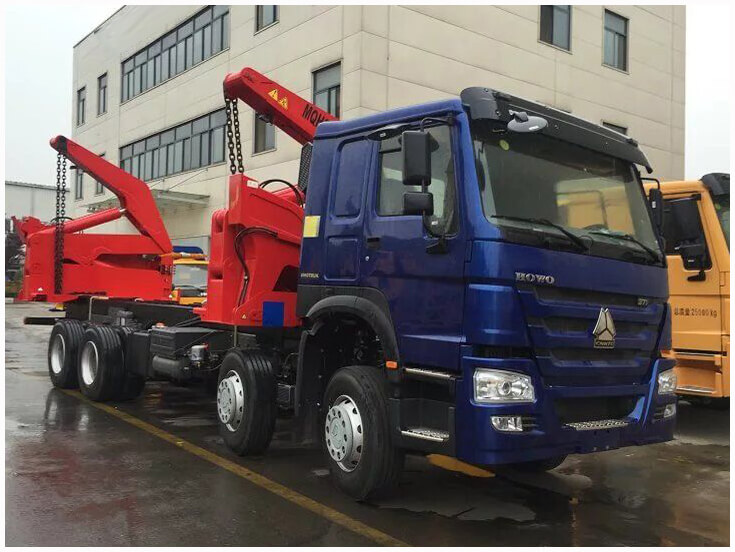
Driving a Sinotruk Howo dump truck requires a blend of technical knowledge and practical skills that go beyond standard vehicle operation. Having spent years behind the wheel of these robust machines, I can share some essential insights that will help you master the process of how to drive Howo dump truck safely and efficiently.
Before starting the engine, always perform a thorough pre-operation inspection. Check tire pressure, hydraulic systems, brake functionality, and ensure all lights and mirrors are clean and properly adjusted. The Howo dump truck's durability is legendary, but regular maintenance checks are non-negotiable for safe operation.
When starting the Howo dump truck, allow the engine to idle for a few minutes, especially in colder conditions. The powerful diesel engine needs time to reach optimal operating temperature. Familiarize yourself with the gear pattern - these trucks typically feature a manual transmission that requires smooth shifting techniques. Remember that Howo dump truck driving involves managing heavy loads, so always accelerate gradually to maintain control.
On the road, maintain greater following distances than you would in a passenger vehicle. The weight distribution changes dramatically when your Howo dump truck is loaded, increasing stopping distances. Practice defensive driving techniques constantly, as other drivers often underestimate your vehicle's size and momentum. When learning how to operate Howo dump truck, pay special attention to blind spots - the three-point mirror system is your best friend for situational awareness.
The dumping operation requires particular attention. Always position your Sinotruk Howo on firm, level ground before engaging the hydraulic system. Ensure the area is clear of overhead obstacles and personnel. Raise the bed slowly while monitoring stability, and never move the truck while the bed is elevated. Lower the bed completely before resuming travel. These Howo dump truck tips might seem basic, but they prevent most common operational accidents.
For off-road operations, understand your Howo dump truck's four-wheel drive capabilities. Reduce tire pressure when working in soft terrain, and always maintain momentum through uneven ground without sudden acceleration. The Howo dump truck specifications include excellent ground clearance, but always survey unfamiliar terrain before proceeding.
Mastering Howo dump truck controls becomes second nature with practice. The ergonomic cabin design puts all essential functions within reach, but take time to memorize the layout without looking. When backing up - a frequent requirement in construction sites - use your spotter effectively and never rely solely on mirrors. These Howo truck driving techniques separate professional operators from amateurs.
understand that operating a Howo dump truck safely isn't just about vehicle control. It's about anticipating how the 20-ton payload affects every maneuver, knowing how weather conditions impact traction, and developing spatial awareness that accounts for both your vehicle's size and its constantly changing center of gravity. The process of how to drive Sinotruk Howo dump truck effectively is a skill honed through conscious practice and respect for the machine's capabilities.
Whether you're hauling aggregate to a construction site or transporting materials between facilities, remember that professional Howo dump truck operation combines mechanical sympathy with disciplined driving habits. The satisfaction of mastering this powerful machine comes not just from handling it competently, but from becoming one with the vehicle's rhythms and responses through accumulated seat time and continuous learning.
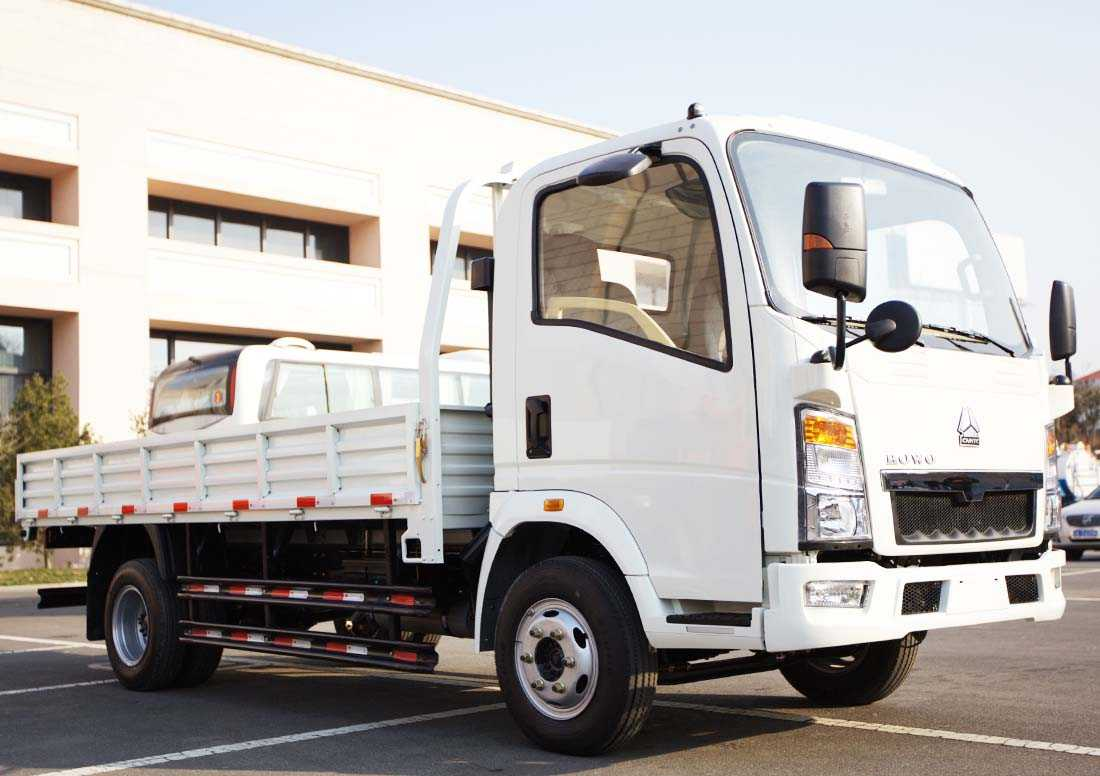
When you're in the market for a heavy-duty dump truck, understanding the engine specifications of a Sinotruk Howo dump truck is crucial. These vehicles are engineered for durability and performance, especially in demanding conditions like construction, mining, and large-scale infrastructure projects. Let's dive into the key engine specs that make Howo dump trucks a reliable choice.
Most Howo dump trucks are equipped with robust diesel engines, commonly from the WD615 series or more modern Euro III/V compliant options. A popular model, such as the Howo ZZ3257M3847C, often features a 6-cylinder, turbocharged intercooled diesel engine with a displacement of 9.726 liters. This setup typically delivers horsepower ranging from 336 HP to 380 HP, depending on the specific configuration and emission standards. Torque output is impressive, often exceeding 1,500 Nm, which provides the low-end grunt needed for hauling heavy loads up steep gradients.
For those focused on efficiency and compliance, newer Howo dump truck engines incorporate advanced technologies like high-pressure common rail fuel systems and exhaust gas recirculation (EGR). These features not only enhance fuel economy but also reduce emissions, making them suitable for regions with strict environmental regulations. When maintaining or servicing these engines, it's essential to use genuine parts to ensure longevity—I've seen firsthand how aftermarket components can lead to premature wear in high-stress applications.
Beyond the raw numbers, the reliability of Howo dump truck engines shines in real-world use. Their design prioritizes cooling and lubrication, which is vital for extended operation under heavy loads. Regular maintenance, such as oil changes every 500 hours and air filter checks, can significantly extend engine life. If you're comparing specs, also consider factors like fuel consumption rates—typically around 30-35 liters per 100 km under load—which impact total cost of ownership.
whether you're evaluating a Howo dump truck for purchase or maintaining an existing fleet, paying attention to these engine specifications will help you optimize performance and minimize downtime. Always consult the official Sinotruk documentation or a certified dealer for model-specific details, as variations can occur based on market and year of manufacture.
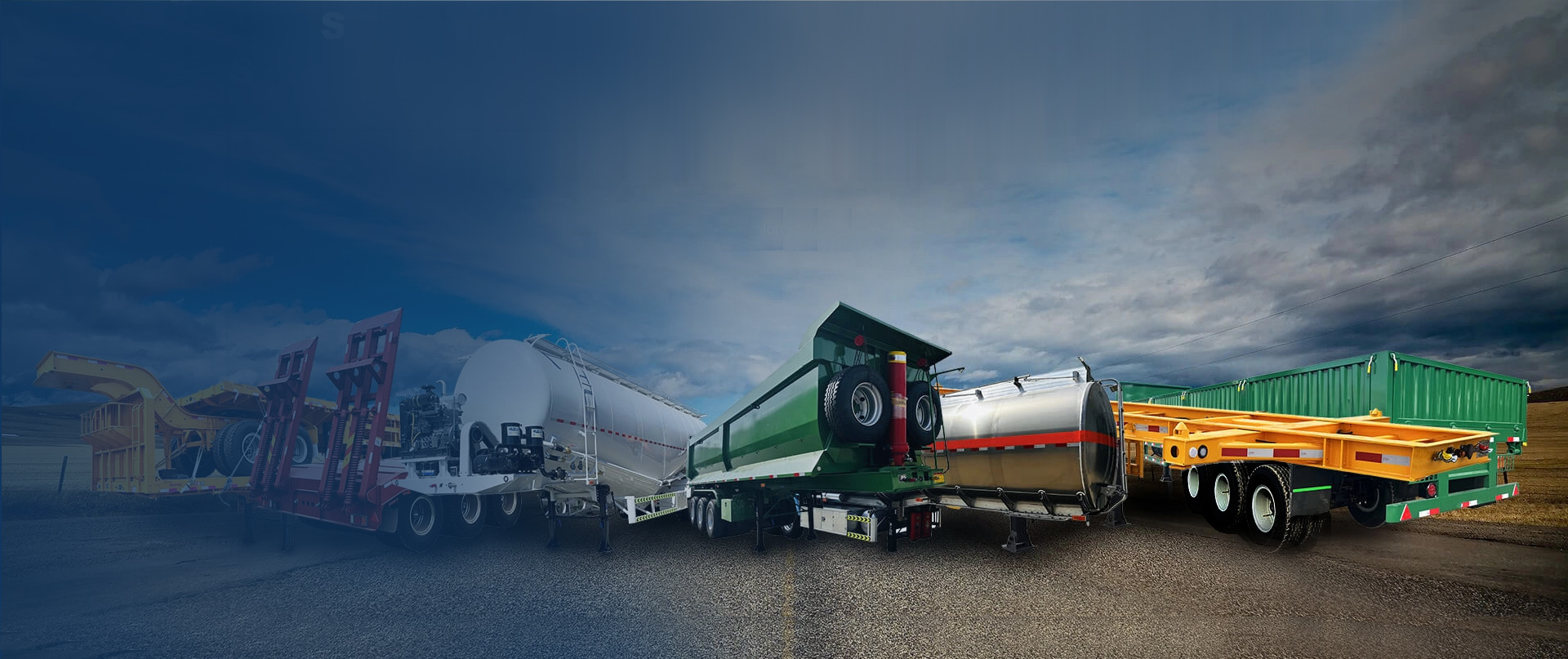
Operating a dump truck effectively requires more than just flipping a switch—it's a blend of skill, safety awareness, and mechanical understanding. Whether you're handling a Sinotruk Howo model or another heavy-duty hauler, mastering the dumping process is crucial for productivity and job site safety. Let's walk through the essential steps and best practices based on hands-on experience with these robust machines.
always perform a pre-operation inspection. Check the hydraulic system, look for leaks, and ensure the bed is clear of debris. Position your dump truck on firm, level ground to prevent tipping or instability during the dumping process. Engage the parking brake firmly—this is non-negotiable for safety. For those learning how to operate a dump truck, never skip this step; it sets the foundation for a smooth operation.
start the engine and allow the hydraulic system to build adequate pressure. Locate the hydraulic control lever, typically situated to the right of the driver's seat. Slowly engage the lever to raise the bed. You'll feel the resistance as the load begins to shift. Raise the bed just enough to clear the tailgate, usually around 10-15 degrees initially. Avoid rushing this step; gradual elevation prevents shock loads on the hydraulic cylinders, especially in demanding conditions like construction sites or mining operations.
As the bed rises, monitor the load's discharge. For cohesive materials like wet soil or clay, you might need to raise the bed higher—up to a 45-60 degree angle—to ensure complete dumping. Keep an eye on the surroundings; ensure no personnel or obstacles are near the dumping zone. If the material doesn't release fully, gently tap the bed controls to create a slight jolt, aiding discharge without straining the mechanism. Remember, patience here prevents costly repairs and aligns with proper dump truck maintenance tips.
Once emptied, lower the bed completely. Do this slowly and steadily to avoid damaging the chassis or hydraulics. Confirm the bed is fully locked down before moving the truck. This habit extends the life of your Sinotruk Howo dump truck and ensures road safety. For those handling varied loads, understanding how to unload a dump truck efficiently reduces cycle times and boosts operational efficiency on projects.
Common mistakes to avoid include dumping on slopes, which risks rollovers, or overloading beyond the truck's capacity. Always refer to your vehicle's manual for specific weight limits and operational guidelines. Regular maintenance of the hydraulic system—checking fluid levels and hose integrity—is key to reliable performance. If you're seeking advice on dump truck operation techniques, prioritize learning from seasoned operators; their insights on nuances like soil types or weather conditions are invaluable.
mastering how to dump a dump truck blends technical knowledge with practical caution. By following these steps, you'll not only enhance safety but also maximize the durability and efficiency of your equipment. Whether you're a novice or refining your skills, these practices ensure you handle heavy loads like a pro.
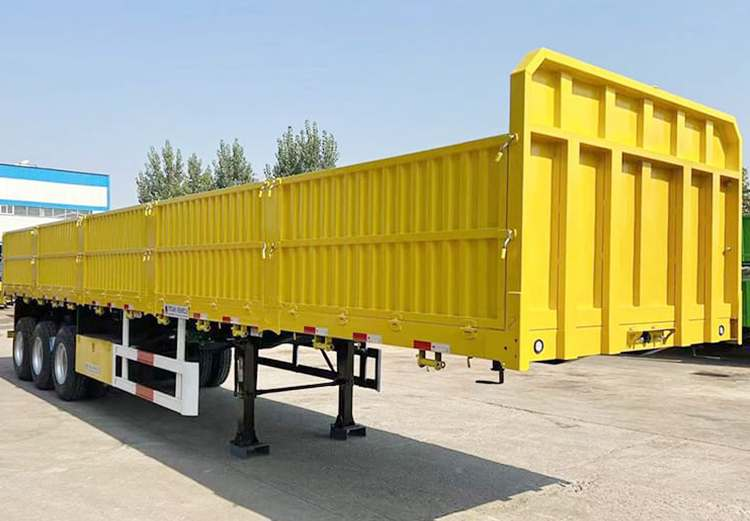
The SINOTRUK HOWO series represents the pinnacle of Chinese heavy-duty truck engineering, combining German MAN technology with superior manufacturing craftsmanship. Designed for exceptional performance, reliability, and economy, the HOWO series has become a preferred choice for logistics and transport operations worldwide.
Equipped with SINOTRUK's proprietary MC series engines, delivering up to 540 HP and 2500 N·m torque with excellent hill-climbing capability.
Comprehensive safety features including ABS+ASR+ESC, lane departure warning, and forward collision warning systems.
Four-point suspended cab, air-suspension seat, multifunction steering wheel, and automatic climate control for reduced driver fatigue.
Advanced SCR technology meets China VI emission standards with 5-8% lower fuel consumption than comparable models.
HOWO trucks excel in long-haul transportation with their fuel efficiency and driver comfort features, making them ideal for logistics companies.
Highway Line-haulWith robust frame structures and exceptional load capacity, HOWO trucks perform reliably in demanding construction environments.
Off-road Heavy loadReliable power systems and precise temperature control compatibility meet strict requirements for perishable goods transportation.
Refrigerated Temperature-controlledSINOTRUK HOWO incorporates cutting-edge technologies that set new standards in the heavy-duty truck industry:
Advanced driver assistance systems (ADAS) including adaptive cruise control, intelligent braking, and fatigue monitoring.
Real-time vehicle monitoring, remote diagnostics, and fleet management integration for optimized operations.
SINOTRUK HOWO series meets international quality and safety standards:
SINOTRUK HOWO trucks have gained international recognition and are operating successfully in diverse markets around the world:
Market leader in Southeast Asia with strong presence in Thailand, Vietnam, and Philippines.
Extensive service network across Africa with proven performance in challenging conditions.
HOWO models meet stringent European standards with growing presence in Eastern European markets.
"Our fleet of 20 HOWO T7H trucks has demonstrated 40% lower failure rate compared to our previous brand, with significantly better fuel economy that reduces our operating costs."
"The driver comfort in HOWO trucks is exceptional. The reduced fatigue on long hauls has improved our safety record and driver retention significantly."
"SINOTRUK's after-sales service network is comprehensive. Even in remote areas, we receive prompt technical support and parts availability."
"Our HOWO dump trucks have proven incredibly reliable in harsh construction environments, with excellent load capacity and minimal downtime."
SINOTRUK HOWO series meets international quality and safety standards:
International quality management system certification ensuring consistent product quality.
European safety standard for cab strength and occupant protection.
Compliance with the latest Chinese emission regulations.
Standard maintenance intervals are 15,000 km for oil changes and 30,000 km for comprehensive servicing, though this may vary based on operating conditions.
SINOTRUK offers a comprehensive warranty package including 24 months or 200,000 km coverage (whichever comes first) for the base vehicle and 12 months or 100,000 km for specific components.
HOWO trucks offer comparable performance and reliability to European brands at a more competitive price point, with lower maintenance costs and excellent parts availability.
Depending on model and operating conditions, HOWO trucks typically achieve 25-30 liters per 100 km, which is 5-8% better than industry averages for comparable vehicles.