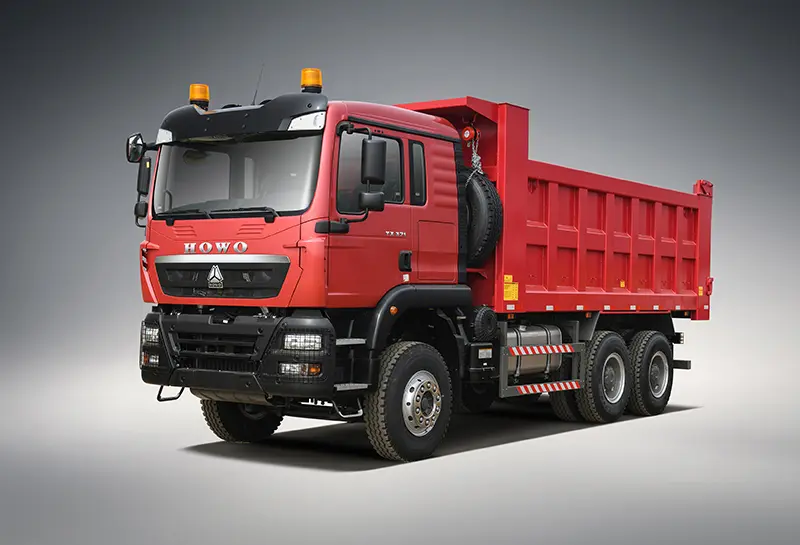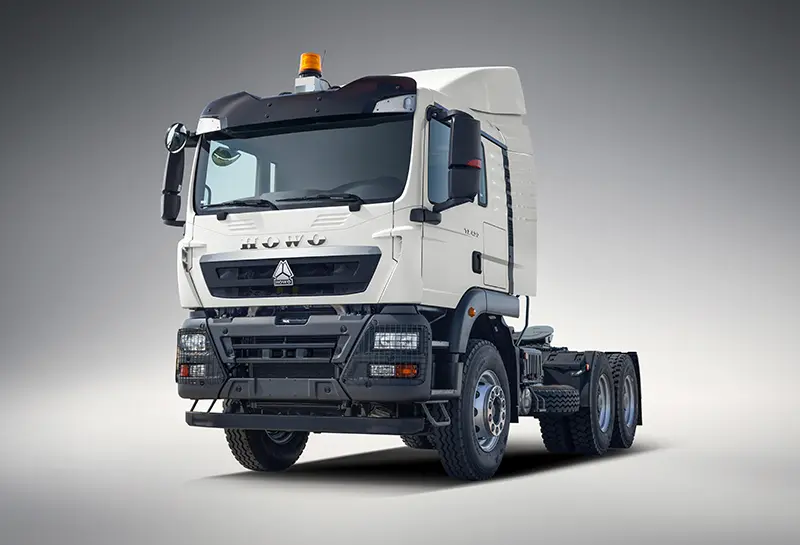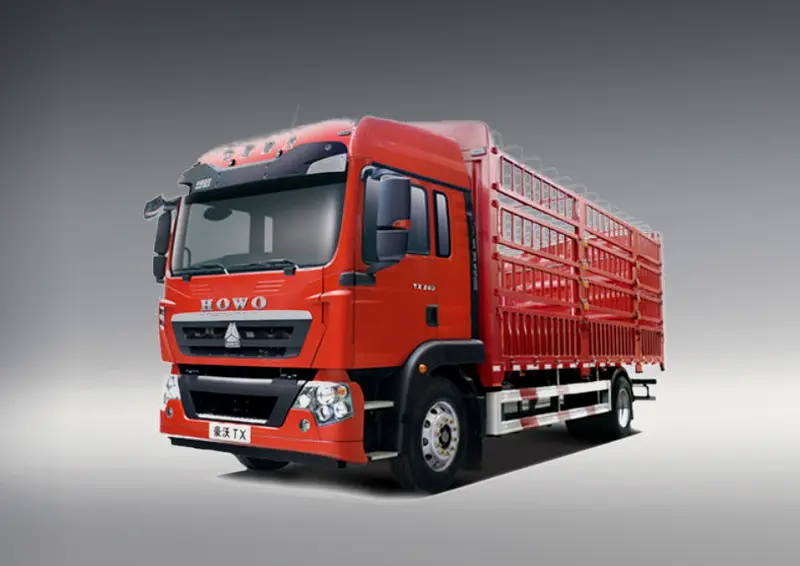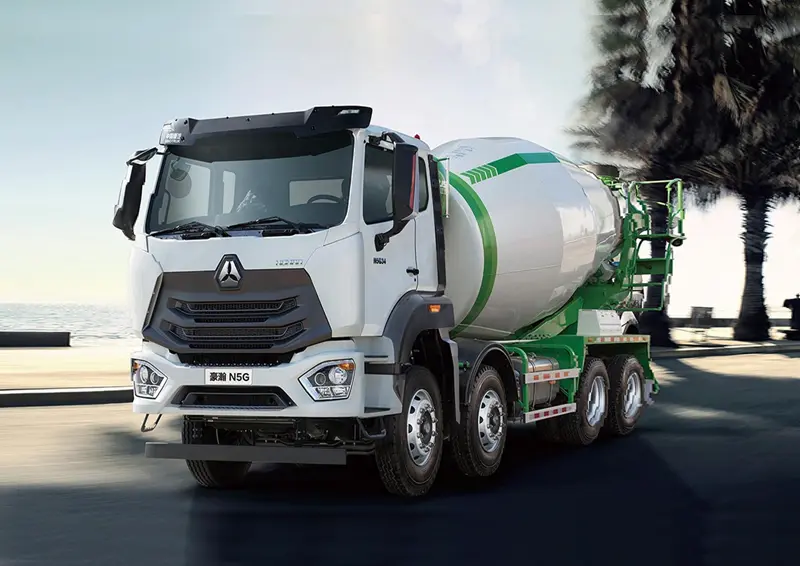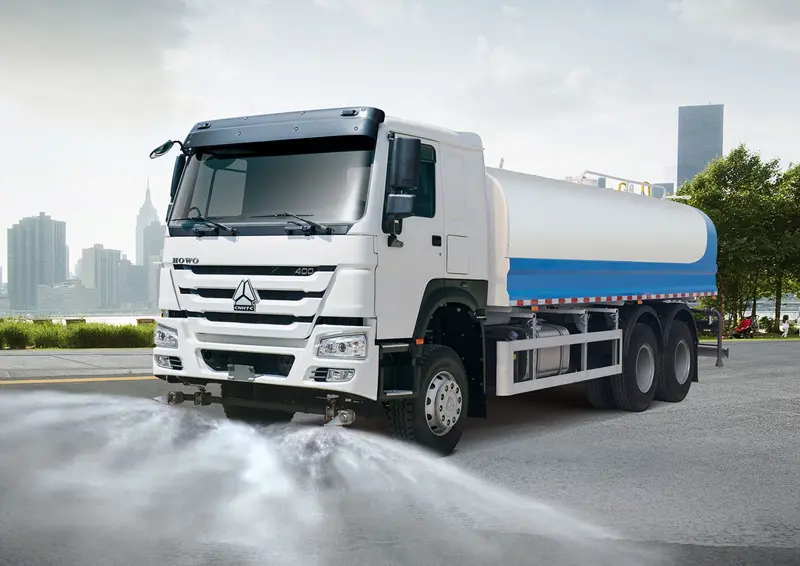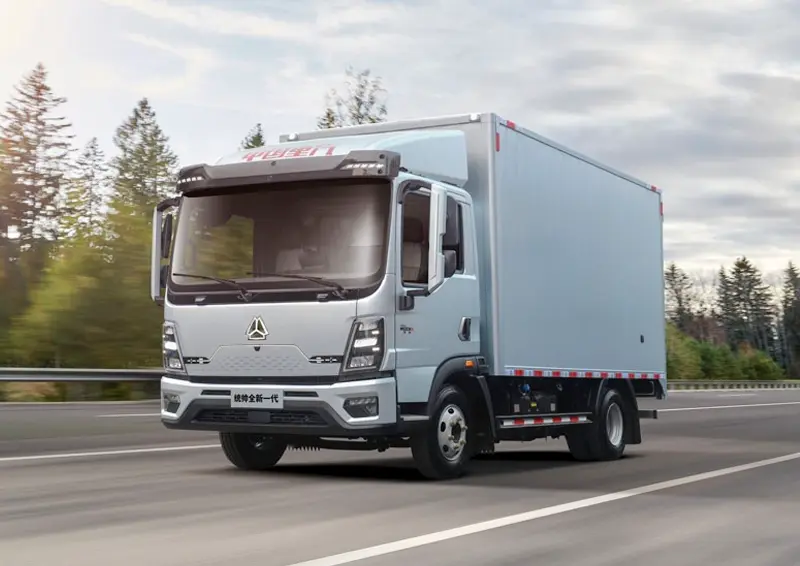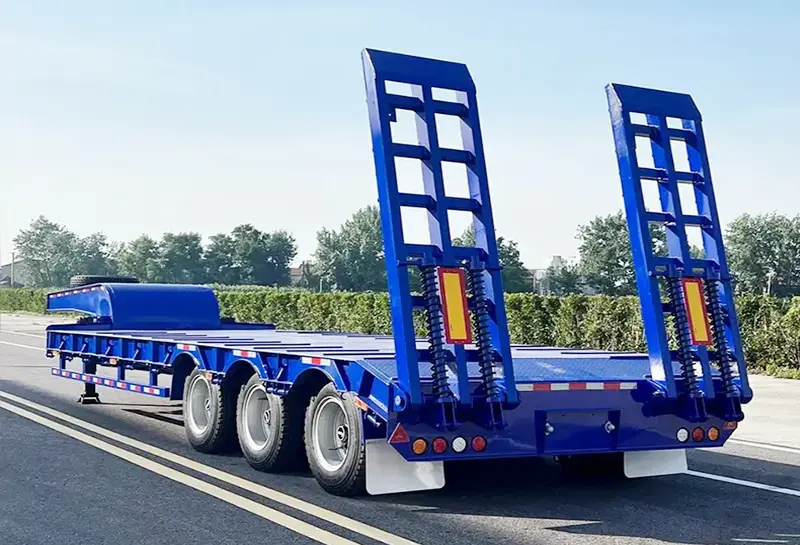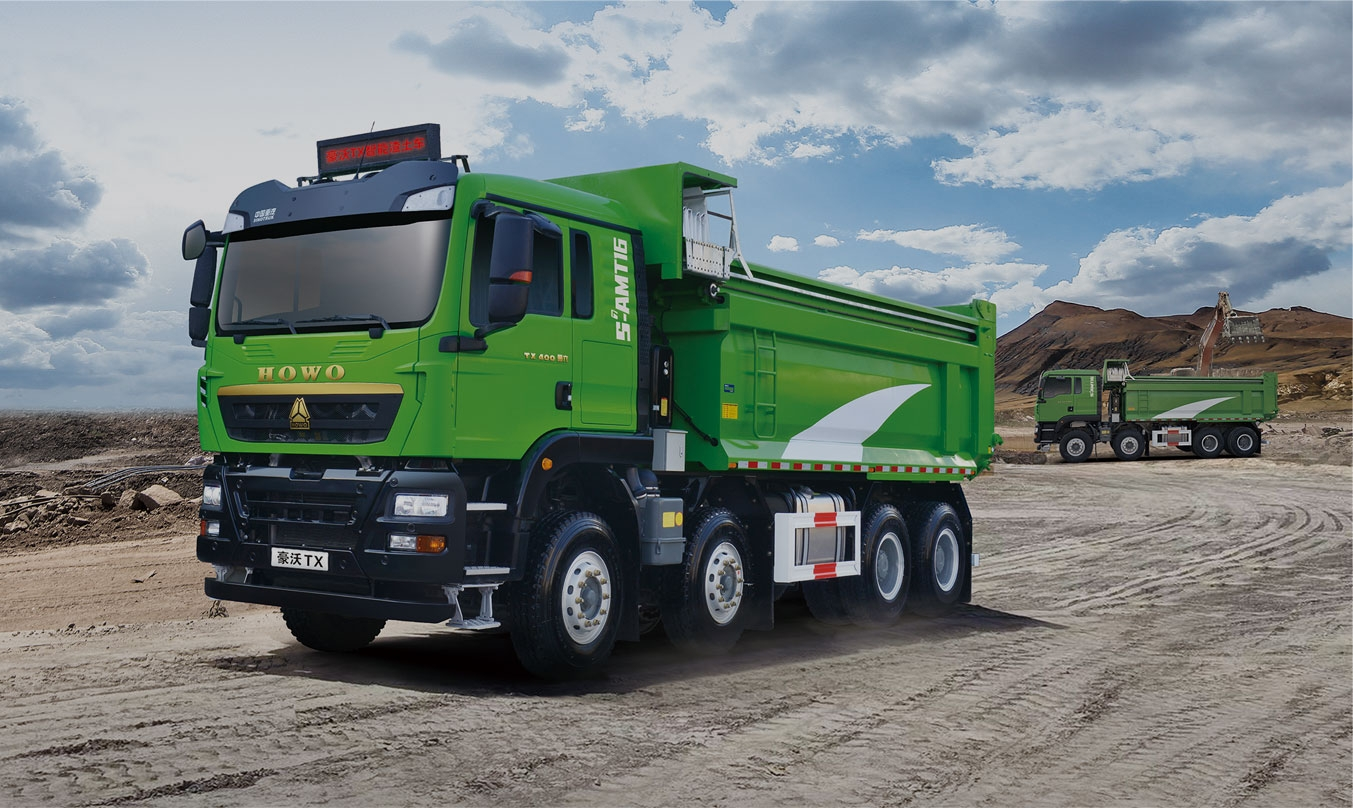
When it comes to heavy-duty performance and reliability, the Howo truck gearbox is a cornerstone of Sinotruk's engineering excellence. Having worked with countless Howo models over the years, from dump trucks to tractor units, I've seen firsthand how the right transmission setup can make or break a operation. The gearbox isn't just a component; it's the critical link between the powerhouse engine and the driveline, dictating fuel efficiency, drivability, and overall longevity.
Most Howo trucks, especially the A7 and T7 series, are commonly equipped with robust manual transmissions sourced from reputable manufacturers like Fast Gear or ZF. A typical configuration for a HOWO 6x4 dump truck running a WP10H engine (say, 340 horsepower) would be a 9-speed or 10-speed FAST gearbox, such as the 9JS119T or 10JSD140 models. These units are built to handle massive torque—often in the range of 1,500 to 2,200 Nm—and are synchronized for smoother shifting, which is a godsend for drivers clocking long hours on varied terrain.
One of the most common questions I get from owners is about maintenance intervals for the Howo truck gearbox. My advice is always proactive: change the gear oil every 80,000 to 100,000 kilometers, but if you're operating in harsh, dusty environments or with frequent stop-start cycles, cut that interval in half. Use only recommended oils like API GL-5 85W-90 to prevent premature wear on synchronizers. I've seen too many avoidable failures from using substandard lubricants.
Shifting issues, especially hard engagement or gear grind, are often traced back to clutch adjustment or oil contamination. Before blaming the gearbox, always check the clutch free play—it should be between 30-40mm. If the problem persists, it might be a worn synchronizer ring, a common wear item after 500,000 km or so. Rebuilding a Howo transmission is straightforward for a seasoned mechanic, and parts are readily available, which minimizes downtime.
For those considering an upgrade or replacement, don't just swap in any unit. Match the gearbox to your engine's torque curve and your typical load. A mismatched transmission can kill fuel economy and strain the drivetrain. If you're running a HOWO with a WP10H 350 HP engine mostly on highways, a 9-speed is efficient. But for a WP13 550 HP in a coal hauler, you'll want the grunt and control of a 12 or 16-speed box.
remember that the Howo truck gearbox is designed for durability, but its lifespan hinges on operation and care. Avoid "power shifting" and train drivers to use the clutch properly. Listen for unusual noises—whining under load often points to bearing issues, while difficulty shifting cold might indicate thick oil or internal damage. With proper attention, these gearboxes can easily surpass a million kilometers, making them a testament to Sinotruk's build quality.
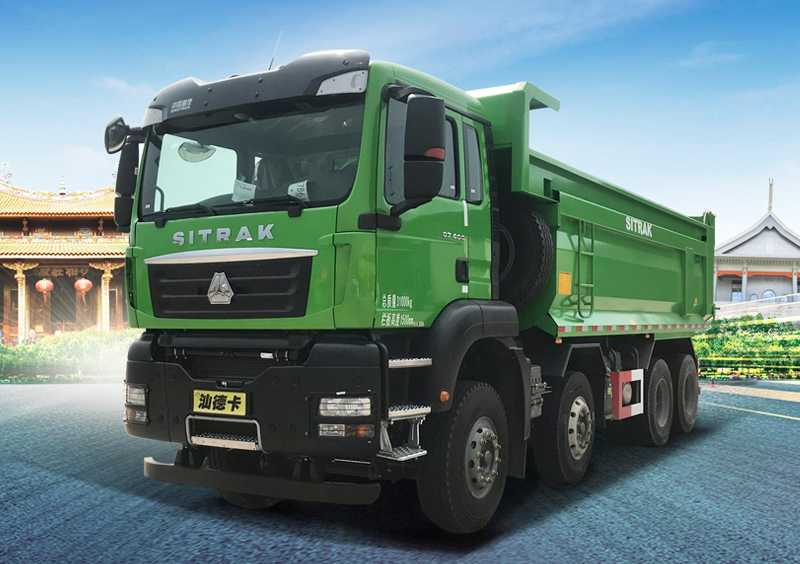
Learning how to drive a manual transmission truck is an essential skill for any professional driver, especially when operating heavy-duty vehicles like the Sinotruk Howo series. Unlike automatic transmissions, manual gearboxes give you greater control over your truck's power and efficiency, which is crucial when hauling heavy loads or navigating challenging terrain.
Before you start the engine, familiarize yourself with the gear pattern. Most trucks have an "H" pattern gearbox, but some modern models may include additional gears or split-range options. The clutch pedal is your best friend when shifting gears - it disengages the transmission from the engine, allowing you to change gears smoothly. Remember that truck clutches are much heavier than those in passenger vehicles, requiring more leg strength and precise control.
Starting on flat ground is the best way to practice manual truck driving. With the parking brake engaged, press the clutch pedal fully to the floor and move the gearshift into neutral. Start the engine and let it idle for a few moments to build air pressure - this is critical for trucks with air brakes. When you're ready to move, press the clutch again, select first gear, and slowly release the clutch while simultaneously applying gentle throttle. You'll feel the truck begin to move forward as the clutch engages.
Shifting gears in a heavy truck requires timing and finesse. Listen to the engine sound and watch the tachometer to know when to shift. For upward shifts, typically between 1500-2100 RPM depending on your engine's torque curve. The Sinotruk Howo's powerful diesel engine provides excellent low-end torque, making it somewhat more forgiving than lighter trucks, but proper technique remains essential for fuel efficiency and transmission longevity.
Downhill driving with a manual transmission truck demands special attention. Select an appropriate lower gear before beginning your descent rather than trying to shift while going downhill. This allows engine compression to help control your speed, reducing brake fade risk. Remember that fully loaded trucks gain momentum quickly on declines, so planning your gear selection in advance is crucial for safety.
Mastering the manual transmission in commercial trucks like the Howo series will make you a more versatile and valuable driver. While it requires more effort to learn than automatic transmissions, the control it provides in various driving conditions is unmatched. With practice, shifting becomes instinctual, allowing you to focus on the road and your cargo while maximizing your truck's performance and efficiency.
Regular practice in different conditions is the key to becoming proficient with manual truck transmissions. Empty parking lots, quiet industrial areas, and gradually progressing to busier roads will build your confidence. Don't get discouraged by occasional rough shifts or stalls - even experienced drivers encounter challenging situations that test their manual transmission skills.
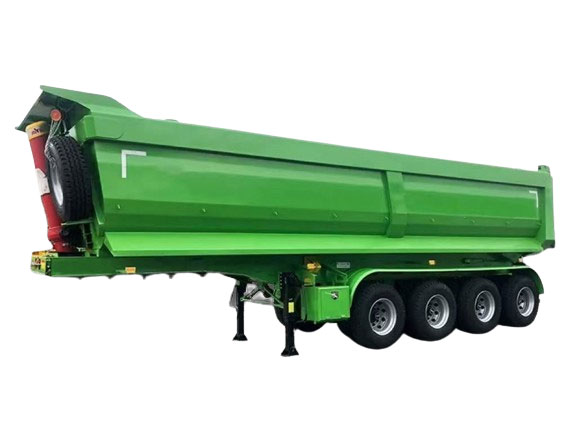
When it comes to maintaining and optimizing the performance of your Sinotruk Howo truck, understanding the transmission system is absolutely critical. As someone who has spent years working directly with Howo trucks across various applications—from long-haul logistics to heavy-duty construction—I can tell you that the transmission is the heart of these robust machines. Whether you're a fleet manager, a technician, or an owner-operator, getting familiar with how the Howo truck transmission operates, its common issues, and maintenance best practices can save you time, money, and downtime.
The Howo truck transmission is designed for durability and efficiency, typically featuring manual and automated manual transmission (AMT) options depending on the model and configuration. One of the key strengths of Howo transmissions is their ability to handle high torque loads, which is essential for heavy-duty operations. From my hands-on experience, the HW19710 transmission series, is a popular choice for its smooth shifting and reliability under stress. Regular checks of the transmission fluid are non-negotiable; low or degraded fluid can lead to overheating and premature wear. I always recommend using genuine Sinotruk transmission oil to ensure compatibility and longevity.
Another aspect that users frequently inquire about is troubleshooting common Howo transmission problems. Issues like difficulty shifting gears or slipping can often be traced back to simple fixes, such as adjusting the clutch or replacing a worn synchromesh. In colder climates, I've seen transmissions behave sluggishly until the fluid warms up—so allowing a brief warm-up period can prevent unnecessary strain. If you're dealing with persistent problems, it's worth checking the transmission breather for blockages, as pressure buildup can cause leaks and performance drops.
For those looking to enhance their Howo truck transmission performance, consider periodic professional servicing every 100,000 kilometers or as recommended in your manual. Upgrading to high-quality aftermarket parts, like improved clutch kits or shift solenoids for AMTs, can also boost reliability. Remember, a well-maintained transmission not only extends the life of your Howo truck but also improves fuel efficiency and reduces overall operating costs. If you ever need to source replacement parts, always opt for certified Sinotruk suppliers to avoid compatibility issues.
don't overlook the value of proper driver training—especially for models with automated transmissions. Smooth driving habits reduce wear on transmission components significantly. In my years on the job, I've found that proactive care and a bit of knowledge go a long way in keeping your Howo truck running smoothly mile after mile.
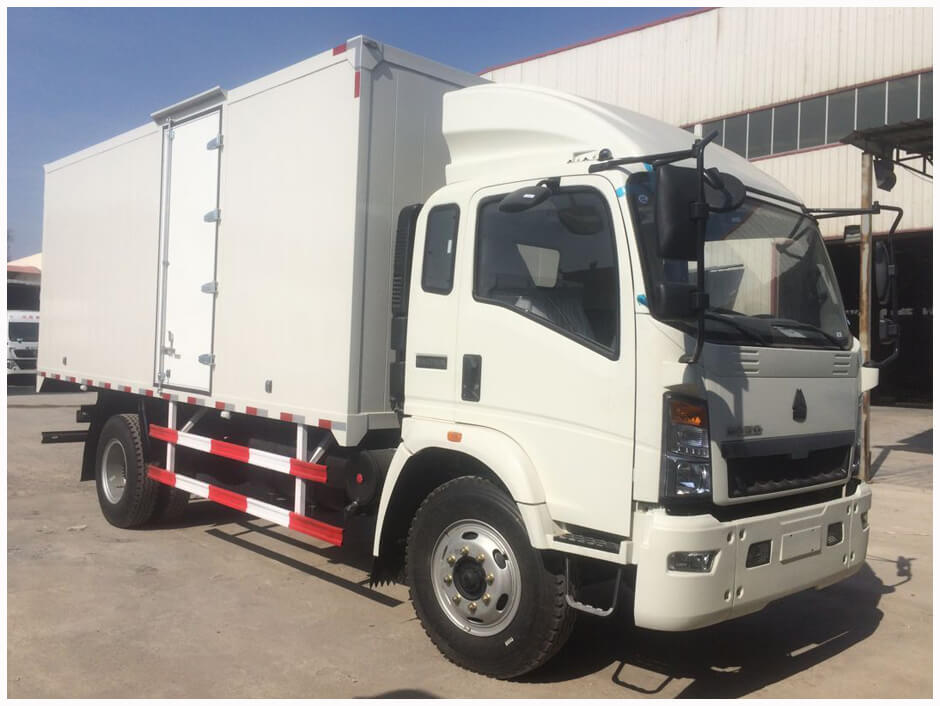
The SINOTRUK HOWO series represents the pinnacle of Chinese heavy-duty truck engineering, combining German MAN technology with superior manufacturing craftsmanship. Designed for exceptional performance, reliability, and economy, the HOWO series has become a preferred choice for logistics and transport operations worldwide.
Equipped with SINOTRUK's proprietary MC series engines, delivering up to 540 HP and 2500 N·m torque with excellent hill-climbing capability.
Comprehensive safety features including ABS+ASR+ESC, lane departure warning, and forward collision warning systems.
Four-point suspended cab, air-suspension seat, multifunction steering wheel, and automatic climate control for reduced driver fatigue.
Advanced SCR technology meets China VI emission standards with 5-8% lower fuel consumption than comparable models.
HOWO trucks excel in long-haul transportation with their fuel efficiency and driver comfort features, making them ideal for logistics companies.
Highway Line-haulWith robust frame structures and exceptional load capacity, HOWO trucks perform reliably in demanding construction environments.
Off-road Heavy loadReliable power systems and precise temperature control compatibility meet strict requirements for perishable goods transportation.
Refrigerated Temperature-controlledSINOTRUK HOWO incorporates cutting-edge technologies that set new standards in the heavy-duty truck industry:
Advanced driver assistance systems (ADAS) including adaptive cruise control, intelligent braking, and fatigue monitoring.
Real-time vehicle monitoring, remote diagnostics, and fleet management integration for optimized operations.
SINOTRUK HOWO series meets international quality and safety standards:
SINOTRUK HOWO trucks have gained international recognition and are operating successfully in diverse markets around the world:
Market leader in Southeast Asia with strong presence in Thailand, Vietnam, and Philippines.
Extensive service network across Africa with proven performance in challenging conditions.
HOWO models meet stringent European standards with growing presence in Eastern European markets.
"Our fleet of 20 HOWO T7H trucks has demonstrated 40% lower failure rate compared to our previous brand, with significantly better fuel economy that reduces our operating costs."
"The driver comfort in HOWO trucks is exceptional. The reduced fatigue on long hauls has improved our safety record and driver retention significantly."
"SINOTRUK's after-sales service network is comprehensive. Even in remote areas, we receive prompt technical support and parts availability."
"Our HOWO dump trucks have proven incredibly reliable in harsh construction environments, with excellent load capacity and minimal downtime."
SINOTRUK HOWO series meets international quality and safety standards:
International quality management system certification ensuring consistent product quality.
European safety standard for cab strength and occupant protection.
Compliance with the latest Chinese emission regulations.
Standard maintenance intervals are 15,000 km for oil changes and 30,000 km for comprehensive servicing, though this may vary based on operating conditions.
SINOTRUK offers a comprehensive warranty package including 24 months or 200,000 km coverage (whichever comes first) for the base vehicle and 12 months or 100,000 km for specific components.
HOWO trucks offer comparable performance and reliability to European brands at a more competitive price point, with lower maintenance costs and excellent parts availability.
Depending on model and operating conditions, HOWO trucks typically achieve 25-30 liters per 100 km, which is 5-8% better than industry averages for comparable vehicles.