On This Page
When you hear experienced truckers talk about Sinotruk Howo trucks, the conversation inevitably turns to their relentless forward momentum. This isn't just about moving down the highway; it's about the philosophy of progress, durability, and value that these machines represent. The term "Howo trucks forward" encapsulates the entire ethos of this workhorse—its ability to power through demanding applications, its continuous technological evolution, and its role in driving businesses ahead.
At the heart of every Howo truck's forward thrust is its powertrain. We're not talking about generic engines here. The modern Howo is often equipped with the WP10H and WP12 series engines, developed in partnership with WEICHAI POWER. Let's get specific. The WP10H engine, can deliver a robust 350 to 460 horsepower with a peak torque exceeding 2100 Nm. This isn't just a number on a spec sheet; this is the low-end grunt that allows a fully laden Howo dump truck to climb out of a quarry without breaking a sweat. Paired with the FAST Gear transmission, often a 10 or 12-speed model, the power delivery is smooth and decisive. This synergy between engine and transmission is what operators mean when they say a truck has a strong "forward" character—it responds predictably under load and maintains efficiency.
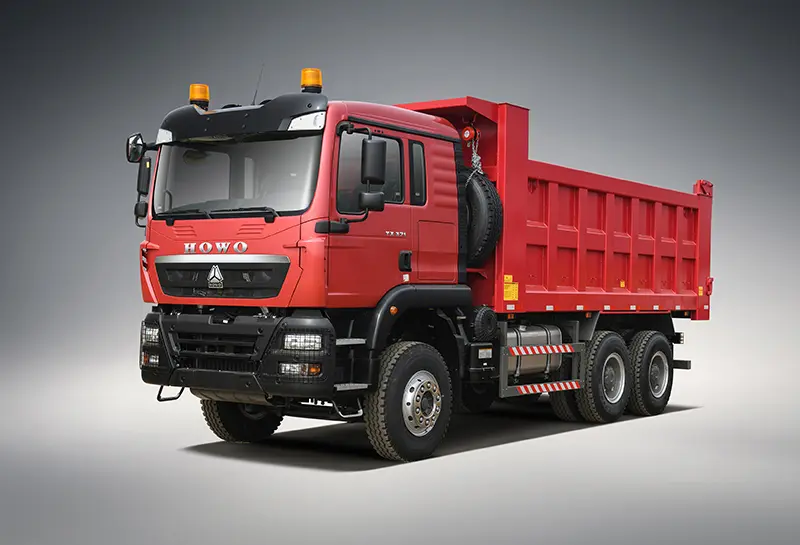
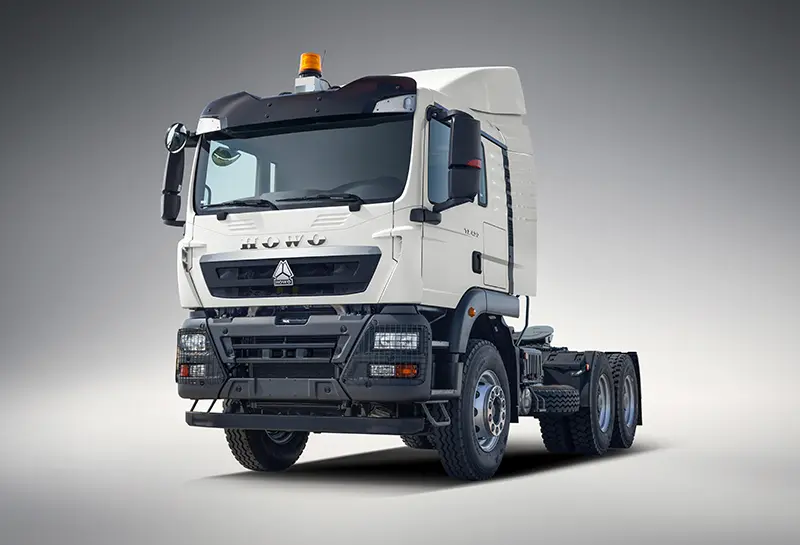
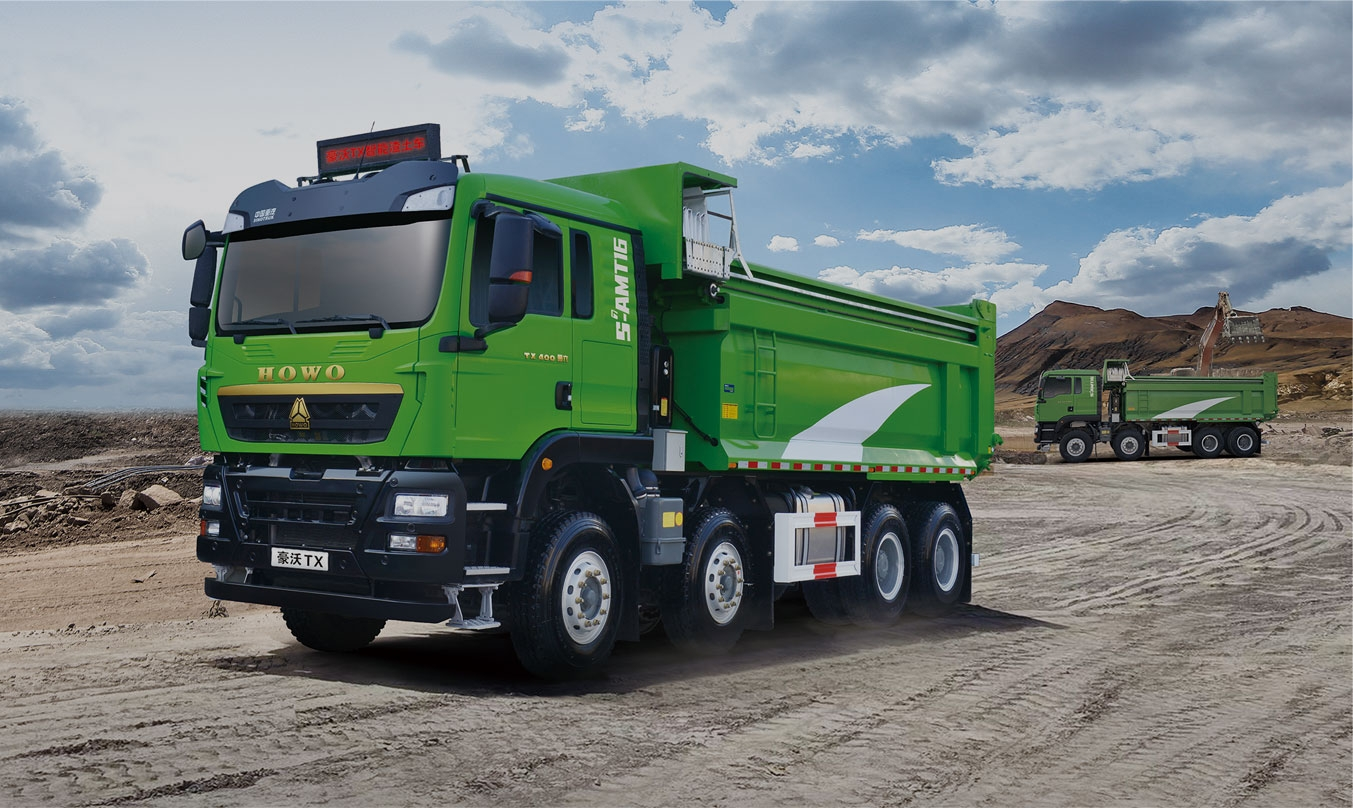
But what does this mean for you on the ground? If you're in construction, the Howo ZZ3257N3847E model, with its standard 20-22 ton payload capacity and rugged ladder frame, is built to move earth and rock forward, day in and day out. The key is in the details: the high-strength steel used in the chassis, the optimized gear ratios for mixed on- and off-road use, and the massive drum-type rear axles designed to absorb shock loads. For long-haul logistics, the Howo T5G tractor unit is a common sight. Its aerodynamic cab isn't just for looks; it's engineered to slice through the air, reducing drag and fuel consumption on those endless forward journeys. The driver's environment is a critical part of this equation. A well-rested, comfortable driver is a safer and more efficient one, and Howo's focus on ergonomic interiors, with intuitive controls and reduced cabin noise, directly contributes to uninterrupted forward progress.
The legacy of Howo trucks moving forward is also a story of adaptation. Newer models are integrating telematics systems that provide real-time data on fuel consumption, driver behavior, and vehicle health. This isn't just a gimmick; it's a fundamental shift that allows fleet managers to make data-driven decisions to optimize routes and maintenance schedules, pushing operational efficiency forward. the development of natural gas-powered Howo trucks demonstrates a clear forward-thinking approach to evolving environmental regulations and fuel economy. The decision between a traditional diesel and an LNG model is a significant one, hinging on fuel availability and the specific duty cycle, but it's a choice that is now firmly on the table for forward-looking operators.
Ultimately, choosing a Howo truck is a strategic decision for a business that needs reliable, cost-effective assets. Its reputation is built on a foundation of simple, robust engineering that is easy to service and built to last. The phrase "Howo trucks forward" is a testament to this. It’s about a vehicle that starts when you need it to, carries the load you ask it to, and keeps driving your business forward, kilometer after kilometer. When you're behind the wheel, you feel that purpose-built resilience, a quality that has made Howo a dominant force in markets across the globe.
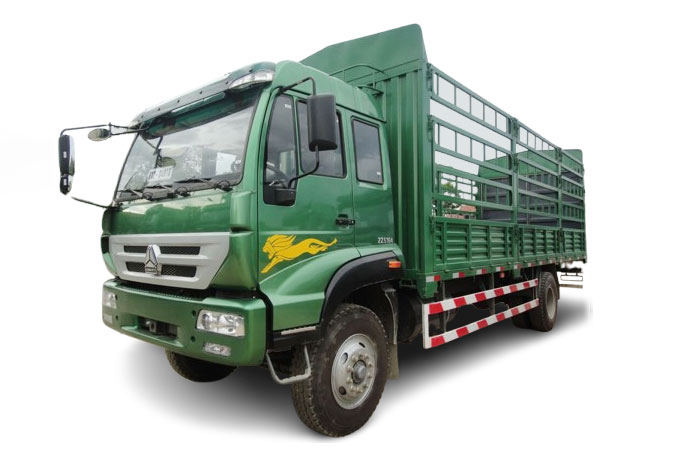
Understanding forward truck length is fundamental for anyone involved in logistics, fleet management, or operating heavy-duty vehicles like the Sinotruck Howo. This measurement, specifically the dimension from the front bumper to the back of the cab, directly impacts maneuverability, legal compliance, and overall operational efficiency. Getting it right is not just a technicality; it's a critical business decision.
For a model like the Sinotruck Howo T7H, a typical forward truck length for a tractor unit falls within a specific range. This dimension is engineered to provide an optimal balance. A shorter forward length enhances the truck's turning radius, making it exceptionally agile in tight urban environments, crowded warehouses, and complex job sites. This is a key reason why drivers appreciate the Howo's handling. Conversely, a longer forward truck length can sometimes allow for a larger, more powerful radiator and provide additional space for engine components, which is beneficial for extreme-duty applications. this can come at the cost of maneuverability.
When planning your load and configuring your entire vehicle, the forward truck length is a primary factor. It determines the maximum cargo bed or trailer size you can legally and safely couple with the tractor without exceeding overall length regulations. pairing a Howo tractor with a specific forward dimension with a standard 40-foot trailer creates one overall vehicle length, which must be checked against regional transport laws. Miscalculating this can lead to fines and route restrictions. the forward truck dimension is intrinsically linked to the wheelbase. A shorter wheelbase often, but not always, corresponds with a more compact forward truck length, creating a vehicle that is nimble and well-suited for regional haulage and construction.
In my years of working with Sinotruck Howo fleets, I've seen operators achieve significant efficiency gains by meticulously matching the forward truck length to their specific operational profile. For a bulk tipper operation navigating mine sites, a shorter configuration is paramount. For a long-haul logistics company, the priority might be a design that maximizes trailer capacity within legal limits. Always consult the official Sinotruck Howo specifications for the exact model you are considering, as the forward truck length can vary between the T5G, T7H, and other series. This precise knowledge empowers you to make an informed purchase, configure a compliant and efficient rig, and ultimately, optimize your bottom line.
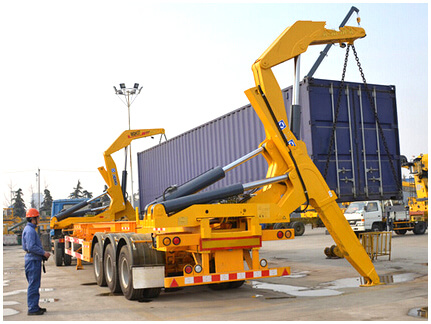
Understanding forward truck size is fundamental when selecting a commercial vehicle for your specific logistics needs. The dimensions of a forward-control truck, where the cab is situated over the engine, directly impact its cargo capacity, maneuverability, and compliance with road regulations. For operators considering a robust model like the Sinotruck Howo forward control truck, grasping these measurements is the first step toward optimizing your fleet's efficiency.
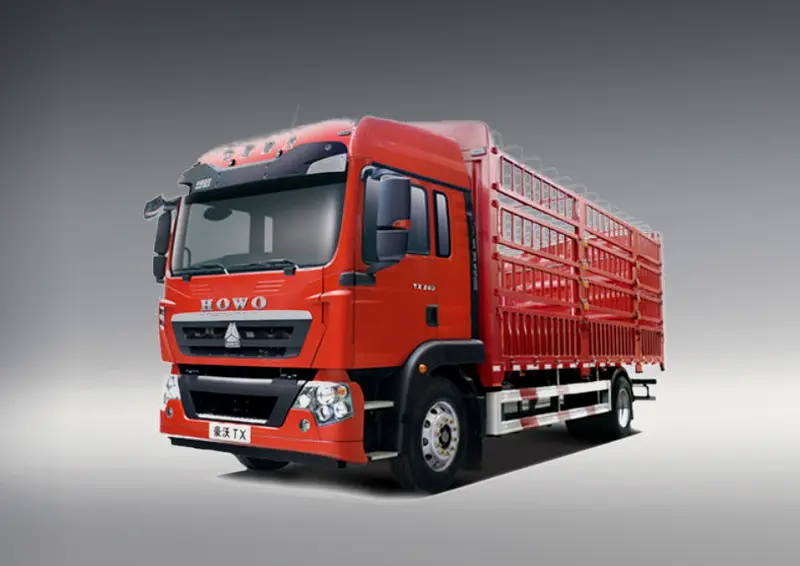
The overall dimensions of a typical forward truck include its length, width, and height. A standard Sinotruck Howo forward model might feature an overall length of approximately 7 to 9 meters, a width of around 2.5 meters, and a height of roughly 3.2 to 3.5 meters. These forward truck dimensions are engineered to balance substantial cargo volume with the agility needed for urban deliveries and tighter job sites. The wheelbase, a critical measurement from the center of the front axle to the center of the rear axle, is a primary factor in the truck's turning radius and load distribution. A common wheelbase for a Howo forward truck can range from 4.2 to 5.2 meters, providing excellent stability without sacrificing maneuverability.
Internally, the cargo body dimensions are what truly define a truck's utility. For a Howo forward control truck, the cargo deck length can vary significantly based on the chassis configuration, often offering between 5.5 to 7.5 meters of loadable space. The internal width is typically just under 2.4 meters to accommodate standard pallets, with a loading height that makes manual loading and unloading ergonomically feasible. The gross vehicle weight (GVW) of these trucks, often ranging from 10 to 18 tons, dictates how much legal payload you can carry, making it a crucial specification tied directly to the truck's physical size and structural strength.
Choosing the correct forward truck size is not just about maximum volume; it's about application-specific fit. For a Sinotruck Howo, the robust chassis and powerful engine options mean that even with a larger forward truck size, performance remains uncompromised. Whether you're in construction, logistics, or waste management, matching the vehicle's physical and weight specifications to your daily routes, cargo type, and regulatory limits is paramount. An accurately sized forward control truck enhances operational safety, reduces fuel consumption, and maximizes profitability on every trip.
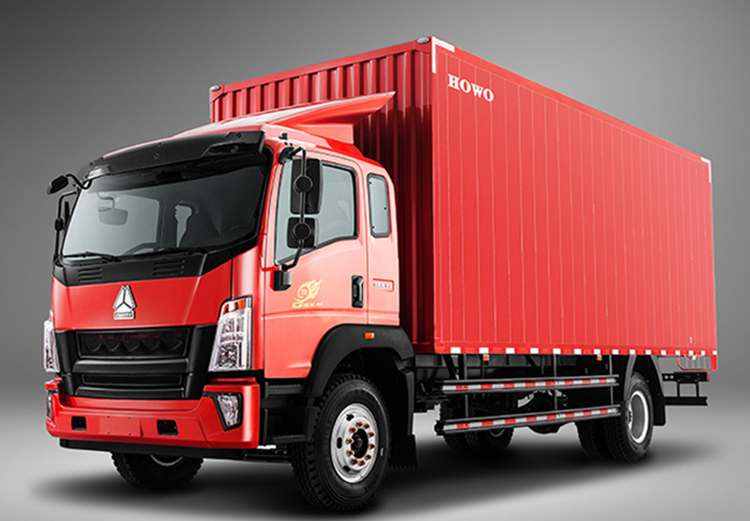
The SINOTRUK HOWO series represents the pinnacle of Chinese heavy-duty truck engineering, combining German MAN technology with superior manufacturing craftsmanship. Designed for exceptional performance, reliability, and economy, the HOWO series has become a preferred choice for logistics and transport operations worldwide.
Equipped with SINOTRUK's proprietary MC series engines, delivering up to 540 HP and 2500 N·m torque with excellent hill-climbing capability.
Comprehensive safety features including ABS+ASR+ESC, lane departure warning, and forward collision warning systems.
Four-point suspended cab, air-suspension seat, multifunction steering wheel, and automatic climate control for reduced driver fatigue.
Advanced SCR technology meets China VI emission standards with 5-8% lower fuel consumption than comparable models.
HOWO trucks excel in long-haul transportation with their fuel efficiency and driver comfort features, making them ideal for logistics companies.
Highway Line-haulWith robust frame structures and exceptional load capacity, HOWO trucks perform reliably in demanding construction environments.
Off-road Heavy loadReliable power systems and precise temperature control compatibility meet strict requirements for perishable goods transportation.
Refrigerated Temperature-controlledSINOTRUK HOWO incorporates cutting-edge technologies that set new standards in the heavy-duty truck industry:
Advanced driver assistance systems (ADAS) including adaptive cruise control, intelligent braking, and fatigue monitoring.
Real-time vehicle monitoring, remote diagnostics, and fleet management integration for optimized operations.
SINOTRUK HOWO series meets international quality and safety standards:
SINOTRUK HOWO trucks have gained international recognition and are operating successfully in diverse markets around the world:
Market leader in Southeast Asia with strong presence in Thailand, Vietnam, and Philippines.
Extensive service network across Africa with proven performance in challenging conditions.
HOWO models meet stringent European standards with growing presence in Eastern European markets.
"Our fleet of 20 HOWO T7H trucks has demonstrated 40% lower failure rate compared to our previous brand, with significantly better fuel economy that reduces our operating costs."
"The driver comfort in HOWO trucks is exceptional. The reduced fatigue on long hauls has improved our safety record and driver retention significantly."
"SINOTRUK's after-sales service network is comprehensive. Even in remote areas, we receive prompt technical support and parts availability."
"Our HOWO dump trucks have proven incredibly reliable in harsh construction environments, with excellent load capacity and minimal downtime."
SINOTRUK HOWO series meets international quality and safety standards:
International quality management system certification ensuring consistent product quality.
European safety standard for cab strength and occupant protection.
Compliance with the latest Chinese emission regulations.
Standard maintenance intervals are 15,000 km for oil changes and 30,000 km for comprehensive servicing, though this may vary based on operating conditions.
SINOTRUK offers a comprehensive warranty package including 24 months or 200,000 km coverage (whichever comes first) for the base vehicle and 12 months or 100,000 km for specific components.
HOWO trucks offer comparable performance and reliability to European brands at a more competitive price point, with lower maintenance costs and excellent parts availability.
Depending on model and operating conditions, HOWO trucks typically achieve 25-30 liters per 100 km, which is 5-8% better than industry averages for comparable vehicles.