On This Page
When you slide into the driver's seat of a Sinotruk Howo truck, the first thing you engage with is the dashboard. It's the command center, the nerve system that communicates everything you need to know about your vehicle's status and performance. A well-understood dashboard Howo truck interface is not just about convenience; it's a critical component for operational efficiency, safety, and proactive maintenance.
The layout and functionality can vary slightly depending on the specific Howo model and year, but they all share a common design philosophy focused on utility and driver awareness. the instrumentation on a Howo A7 equipped with a WP10H engine will present data points specific to that powertrain, such as turbo boost pressure and exhaust gas temperature, which are vital for monitoring performance under heavy loads.
At the heart of the Howo truck dashboard is the instrument cluster. This typically features:
Flanking the cluster is the central console, which houses the climate control system, the infotainment unit (on newer models), and a critical array of switches and controls. Understanding this area is essential for operating the truck's auxiliary functions.
Based on hands-on experience, here’s how to get the most from your Howo's dashboard and address common concerns:
Familiarity with every light, gauge, and switch on your Howo truck instrument panel transforms you from just a driver into an expert operator. It enables you to respond instantly to changing conditions, diagnose emerging problems early, and ultimately ensures your truck operates at its peak efficiency and reliability for hundreds of thousands of miles.
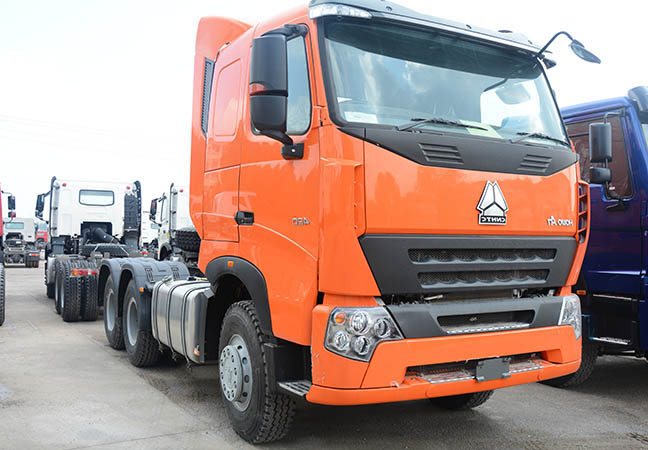
When you slide into the driver's seat of a Sinotruk Howo truck, the dashboard is your command center. It's more than just a panel with gauges and lights—it's the interface between you, the machine, and the road. Having spent years behind the wheel and working with fleet managers to optimize Howo operations, I can tell you that understanding your Howo truck dashboard is crucial for safety, efficiency, and vehicle longevity.
The layout of a Howo dashboard is designed with functionality in mind. From left to right, you'll typically find the speedometer and tachometer, which are essential for monitoring your driving performance. The fuel gauge and temperature indicators are positioned for easy visibility, ensuring you can keep an eye on engine health and fuel levels without distraction. One feature I particularly appreciate is the clear, color-coded warning light system. Green and blue lights indicate normal operations, while yellow and red signals require immediate attention. if the engine warning light glows red, it’s time to pull over and diagnose the issue.
Modern Howo trucks, especially newer models, often come equipped with digital displays that integrate with telematics systems. These advanced dashboards provide real-time data on fuel consumption, tire pressure, and even navigation assistance. I've found that drivers who take the time to learn these features can reduce operating costs by up to 10%, simply by leveraging the dashboard's feedback to adjust driving habits. the instant fuel economy display encourages smoother acceleration and braking.
Maintenance is another area where the Howo dashboard excels. The system logs fault codes and service reminders, making it easier to schedule repairs before minor issues become major problems. When the check engine light appears, using an OBD-II scanner to read the code can save hours of diagnostic time. From my experience, regularly checking dashboard indicators like brake wear warnings or air filter alerts can extend the vehicle's lifespan significantly.
For those new to Howo trucks, I recommend spending some time familiarizing yourself with the dashboard layout. Refer to the owner's manual for model-specific details, as features can vary between the Howo A7, T7, or other series. If you're encountering persistent warning lights, such as the ABS or AdBlue system alerts, don't ignore them—these systems are integral to modern emissions and safety standards. keep the dashboard clean and free of obstructions; a clear view of your instruments is a simple yet effective way to enhance driving safety.

If you're operating a Sinotruk HOWO truck, understanding your dashboard warning lights and symbols is absolutely crucial for both vehicle performance and driver safety. These indicators are your truck's way of communicating potential issues or system statuses that require your attention. Having spent years behind the wheel and working with HOWO trucks, I've come to appreciate how these visual cues can prevent minor issues from becoming major repairs.
The HOWO truck dashboard uses a combination of universal symbols and manufacturer-specific indicators. When you first start your engine, you should see most symbols illuminate briefly as part of the system self-check before turning off. Any symbol that remains lit requires your immediate attention.
These red symbols indicate serious issues that need immediate action:
These amber or yellow lights suggest attention is needed soon:
These typically blue or green symbols show systems are active:
From my experience with HOWO trucks, I always recommend keeping your operator's manual in the glove compartment for quick reference. The specific meaning of some symbols can vary slightly between HOWO models and model years. If you're ever uncertain about a dashboard warning, it's always better to err on the side of caution and have a qualified technician inspect your vehicle.
Regular maintenance is your best defense against unexpected warning lights. Simple practices like checking fluid levels weekly and addressing minor issues promptly can help keep your HOWO truck's dashboard free from those anxiety-inducing warning symbols. Many experienced drivers develop a relationship with their vehicle where they recognize subtle changes in performance that might precede warning lights appearing.
Remember that while some HOWO truck dashboard symbols are self-explanatory, others require specific knowledge of your truck's systems. Don't ignore persistent warning lights, even if the truck seems to be running normally. Modern trucks have sophisticated monitoring systems that can detect issues long before they become apparent through driving performance.
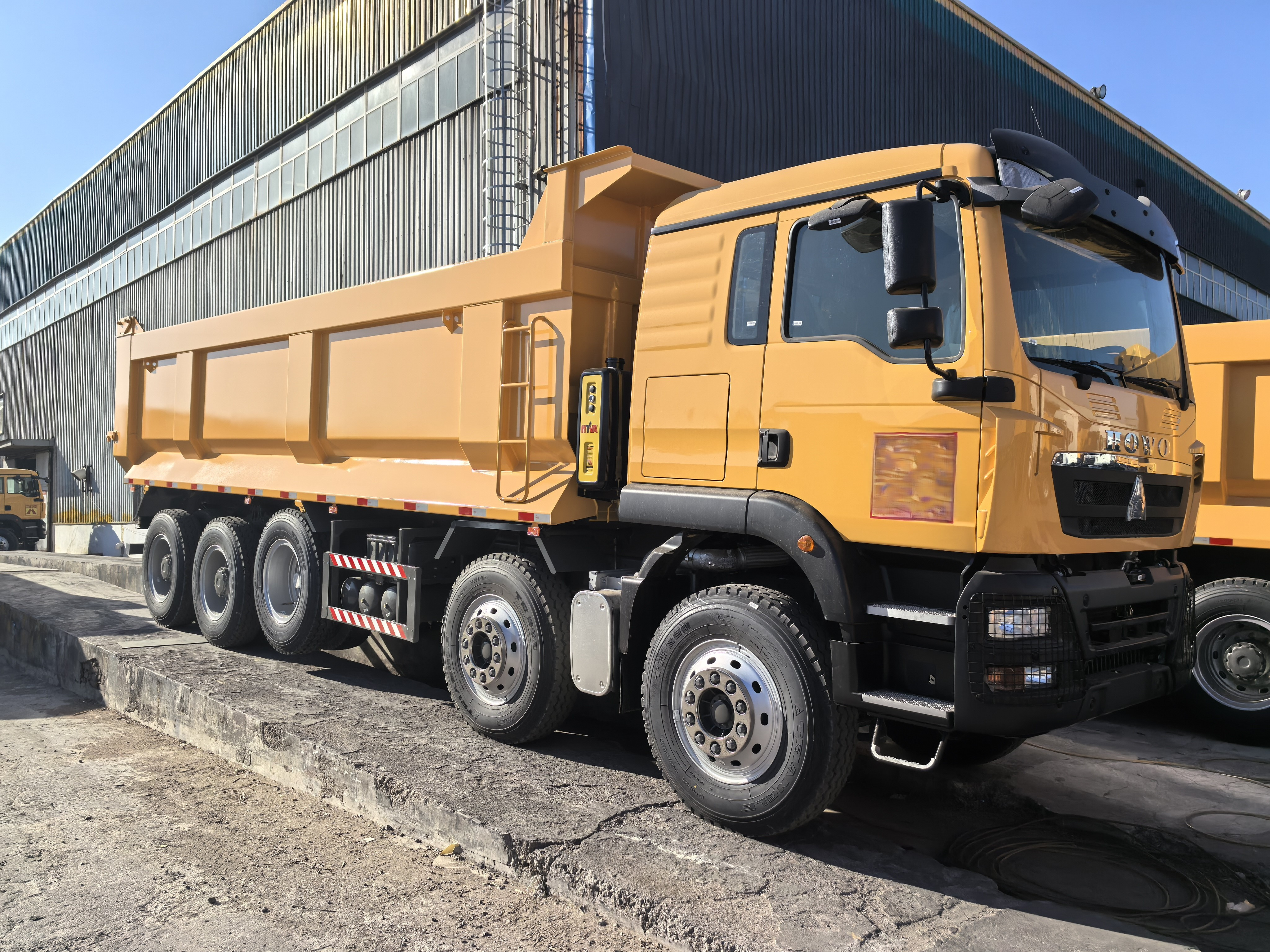
When it comes to upgrading your Sinotruk Howo truck, creating a custom dashboard is one of the most rewarding projects you can undertake. Not only does it enhance functionality, but it also personalizes your driving experience. Whether you're a long-haul driver or use your truck for specialized tasks, a well-designed dashboard can make all the difference.
assess your current dashboard layout. Take note of what works and what doesn't. Common pain points include insufficient space for modern gadgets, poor visibility of gauges, or outdated materials. For a Sinotruk Howo truck, you might find the stock dashboard robust but lacking in customization options. This is where your project begins.
Planning is crucial. Sketch out your ideal dashboard design, considering the placement of essential components like the speedometer, tachometer, fuel gauge, and warning lights. Think about additional features you might want, such as a multimedia screen, GPS navigation, or extra USB ports. Remember, the goal is to create a dashboard that is both functional and aesthetically pleasing.
gather your materials. High-quality plastics, aluminum, or even carbon fiber can be used for the dashboard frame. For the faceplate, consider materials that are durable and easy to clean. You'll also need various tools: a drill, screwdrivers, soldering iron, and possibly a 3D printer if you're incorporating custom parts. Don't forget wiring harnesses, connectors, and any electronic components you plan to install.
Now, for the actual construction. Start by carefully removing the existing dashboard. Label all wires and connectors to avoid confusion during reassembly. If you're modifying the original dashboard, take precise measurements and make cuts slowly to avoid mistakes. For a completely custom build, you might create a template from cardboard before moving to more permanent materials.
When integrating new electronics, pay close attention to the wiring. Modern trucks like the Sinotruk Howo often have complex electrical systems. Ensure all connections are secure and use appropriate fuses to prevent electrical issues. If you're adding a touchscreen or other digital displays, make sure they're positioned to minimize glare and are within easy reach.
Testing is a critical step. Before finalizing the installation, connect all components and check for proper functionality. Verify that all gauges read accurately, buttons respond correctly, and there are no electrical shorts. It's better to catch issues now than after everything is reassembled.
secure the new dashboard in place. Use sturdy brackets and ensure there are no loose parts that could rattle while driving. Once installed, take your truck for a test drive to evaluate the dashboard under real-world conditions. Make any necessary adjustments for comfort and usability.
Creating a custom dashboard for your truck is a detailed process, but the results are well worth the effort. Not only do you get a setup tailored to your specific needs, but you also gain a deeper understanding of your vehicle's inner workings. With careful planning and execution, you can transform your Sinotruk Howo's cabin into a more efficient and enjoyable space.
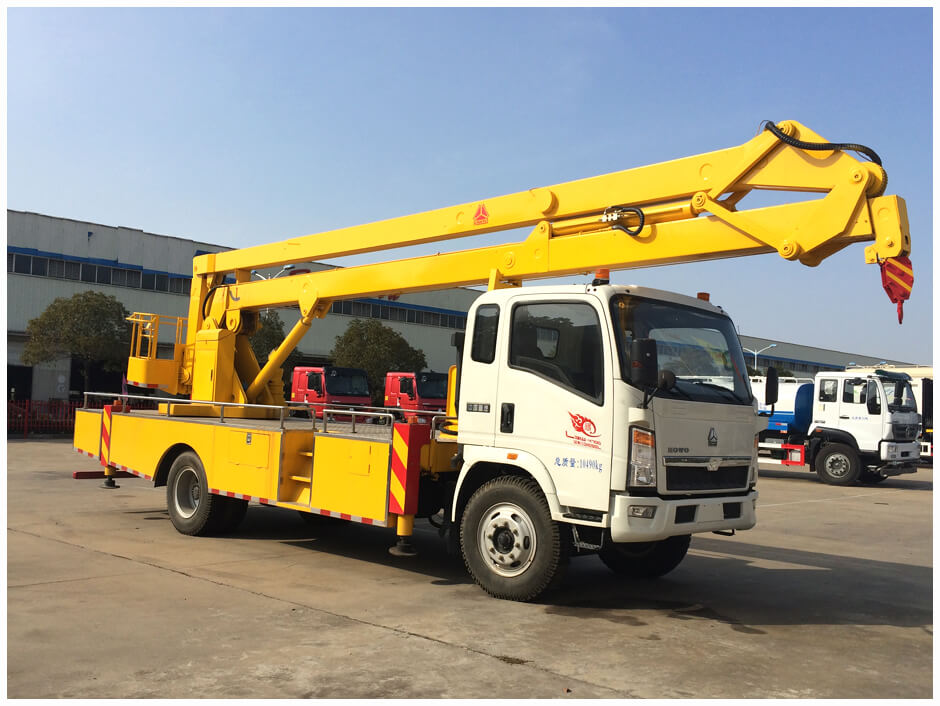
If you're operating a Sinotruk Howo truck, understanding your dashboard symbols is absolutely crucial for both vehicle performance and your safety on the road. Many drivers search for a comprehensive howo truck dashboard symbols and meanings pdf to keep as a quick reference guide, and I completely understand why. Having a digital or printed manual that explains these indicators can prevent misunderstandings and help you address issues before they become major problems.
From my years of experience working with these trucks, I can tell you that the dashboard is your truck's communication center. It provides real-time feedback on everything from engine health to braking systems. Let me walk you through some of the most common symbols you might encounter and what they typically mean.
While these are some of the most critical warnings, your Howo truck has numerous other indicators for things like tire pressure, air filter maintenance, and transmission temperature. The specific symbols can vary slightly depending on your truck's model year and configuration, which is why having an accurate howo truck dashboard guide specific to your vehicle is so valuable.
Many drivers ask me where to find an official howo symbols pdf download or howo warning lights manual. The best source is always your truck's documentation that came with purchase, or you can contact an authorized Sinotruk Howo dealer for the most accurate and up-to-date information. Some online forums and trucking resource sites also share helpful guides, but be sure they're specific to your truck's model year as symbols can change between generations.
Remember that while a dashboard symbols reference is incredibly helpful, some warning lights require immediate action. Red lights typically indicate serious issues that need prompt attention, while yellow or amber lights often suggest something that should be checked soon but isn't necessarily an emergency. Green or blue lights are usually just informational indicators showing that a system is active.
Keeping a howo truck dashboard symbols pdf in your cab, either printed or saved on a mobile device, can give you peace of mind on the road. It's one of those resources you hope you never need, but you'll be incredibly grateful to have when a unfamiliar warning light appears on your dashboard.
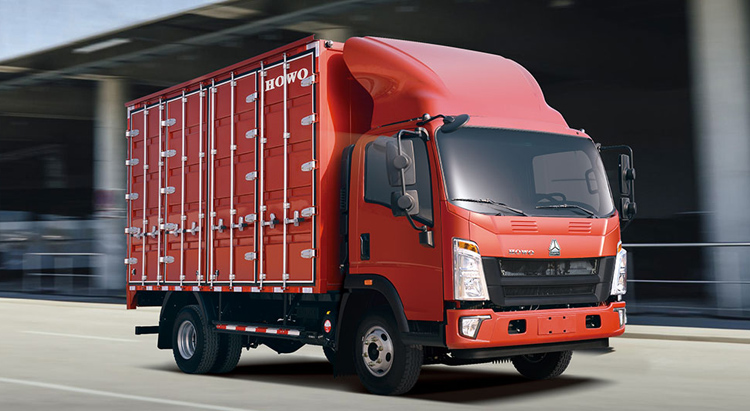
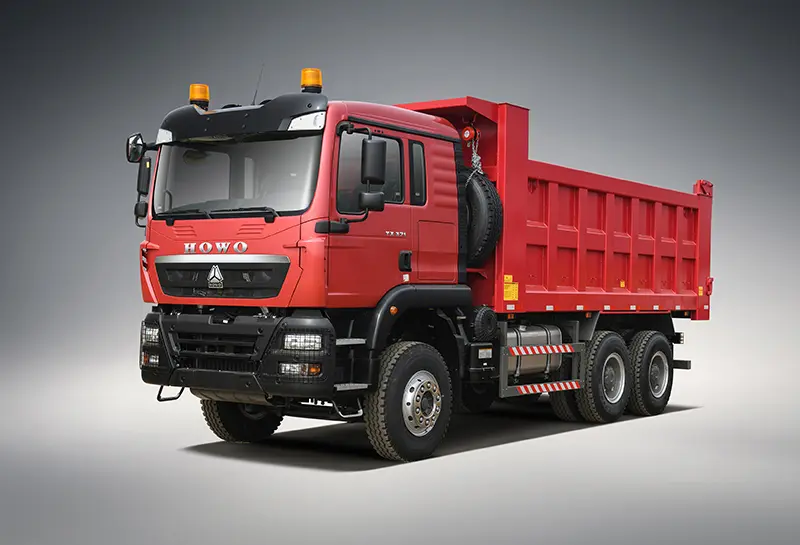
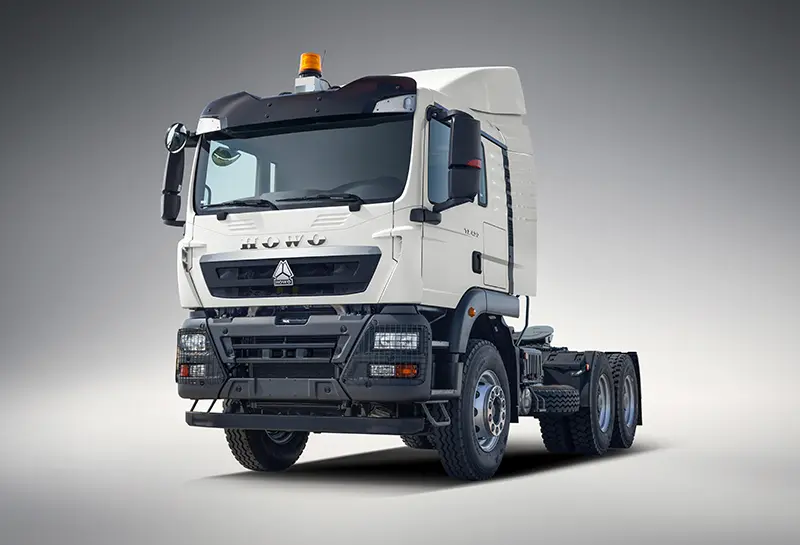
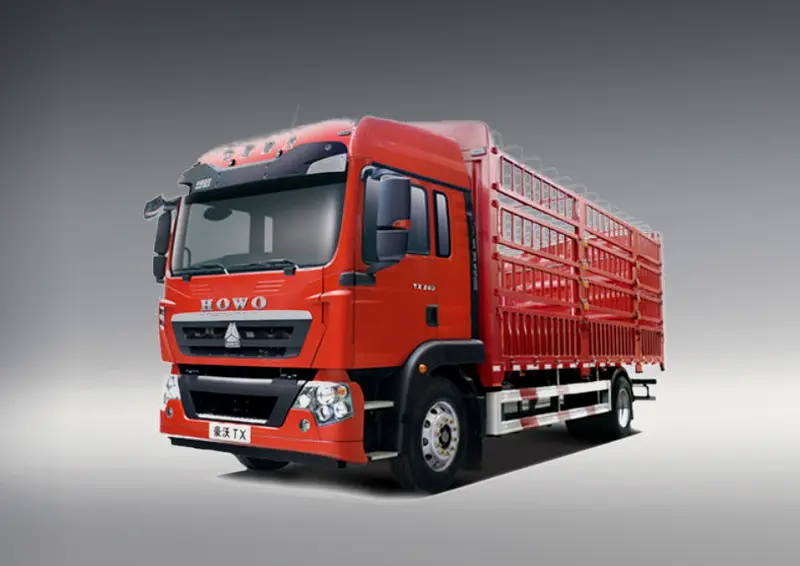
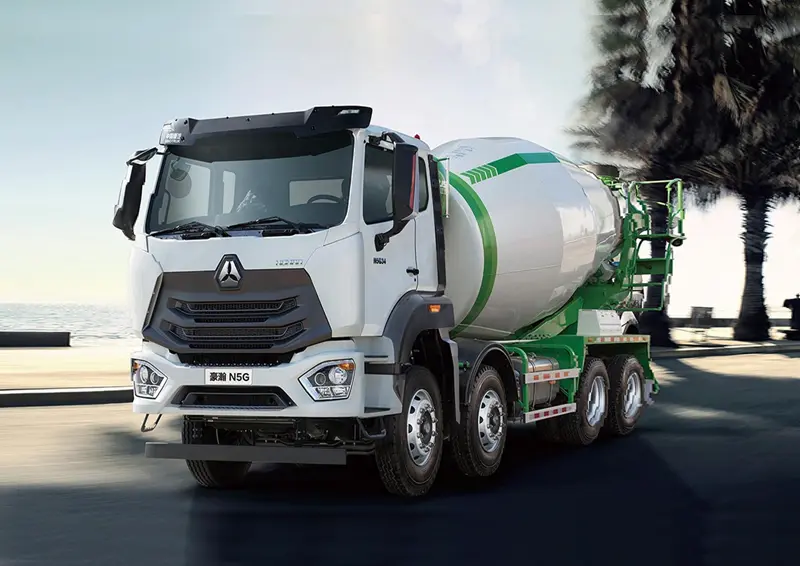
The SINOTRUK HOWO series represents the pinnacle of Chinese heavy-duty truck engineering, combining German MAN technology with superior manufacturing craftsmanship. Designed for exceptional performance, reliability, and economy, the HOWO series has become a preferred choice for logistics and transport operations worldwide.
Equipped with SINOTRUK's proprietary MC series engines, delivering up to 540 HP and 2500 N·m torque with excellent hill-climbing capability.
Comprehensive safety features including ABS+ASR+ESC, lane departure warning, and forward collision warning systems.
Four-point suspended cab, air-suspension seat, multifunction steering wheel, and automatic climate control for reduced driver fatigue.
Advanced SCR technology meets China VI emission standards with 5-8% lower fuel consumption than comparable models.
HOWO trucks excel in long-haul transportation with their fuel efficiency and driver comfort features, making them ideal for logistics companies.
Highway Line-haulWith robust frame structures and exceptional load capacity, HOWO trucks perform reliably in demanding construction environments.
Off-road Heavy loadReliable power systems and precise temperature control compatibility meet strict requirements for perishable goods transportation.
Refrigerated Temperature-controlledSINOTRUK HOWO incorporates cutting-edge technologies that set new standards in the heavy-duty truck industry:
Advanced driver assistance systems (ADAS) including adaptive cruise control, intelligent braking, and fatigue monitoring.
Real-time vehicle monitoring, remote diagnostics, and fleet management integration for optimized operations.
SINOTRUK HOWO series meets international quality and safety standards:
SINOTRUK HOWO trucks have gained international recognition and are operating successfully in diverse markets around the world:
Market leader in Southeast Asia with strong presence in Thailand, Vietnam, and Philippines.
Extensive service network across Africa with proven performance in challenging conditions.
HOWO models meet stringent European standards with growing presence in Eastern European markets.
"Our fleet of 20 HOWO T7H trucks has demonstrated 40% lower failure rate compared to our previous brand, with significantly better fuel economy that reduces our operating costs."
"The driver comfort in HOWO trucks is exceptional. The reduced fatigue on long hauls has improved our safety record and driver retention significantly."
"SINOTRUK's after-sales service network is comprehensive. Even in remote areas, we receive prompt technical support and parts availability."
"Our HOWO dump trucks have proven incredibly reliable in harsh construction environments, with excellent load capacity and minimal downtime."
SINOTRUK HOWO series meets international quality and safety standards:
International quality management system certification ensuring consistent product quality.
European safety standard for cab strength and occupant protection.
Compliance with the latest Chinese emission regulations.
Standard maintenance intervals are 15,000 km for oil changes and 30,000 km for comprehensive servicing, though this may vary based on operating conditions.
SINOTRUK offers a comprehensive warranty package including 24 months or 200,000 km coverage (whichever comes first) for the base vehicle and 12 months or 100,000 km for specific components.
HOWO trucks offer comparable performance and reliability to European brands at a more competitive price point, with lower maintenance costs and excellent parts availability.
Depending on model and operating conditions, HOWO trucks typically achieve 25-30 liters per 100 km, which is 5-8% better than industry averages for comparable vehicles.