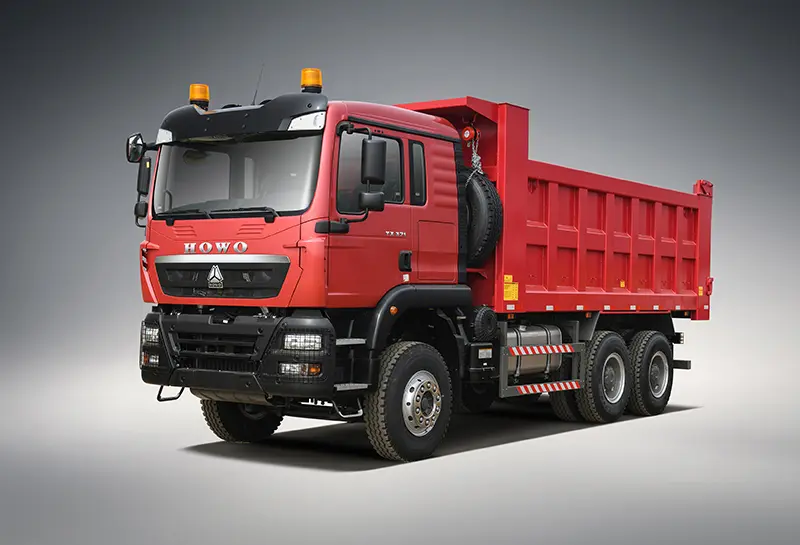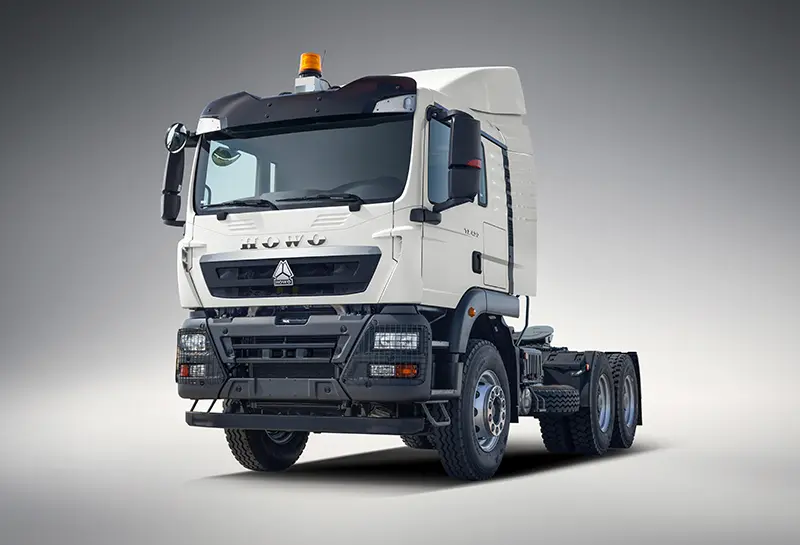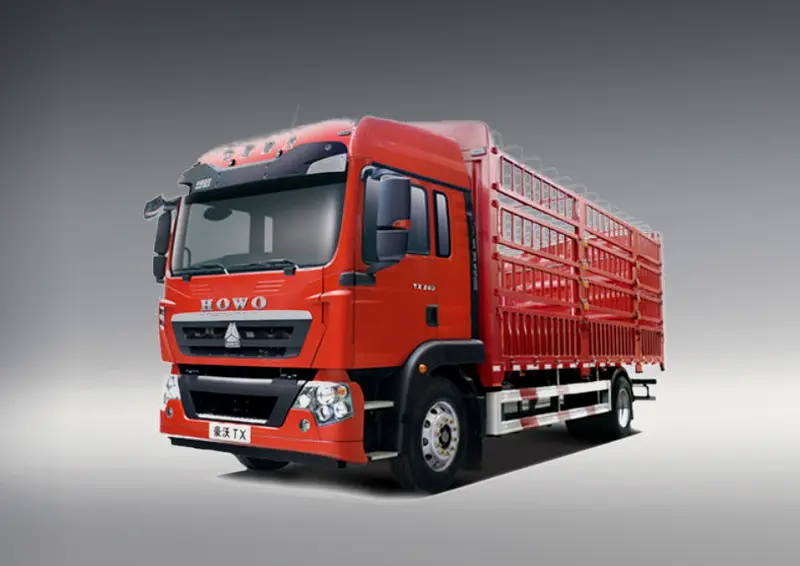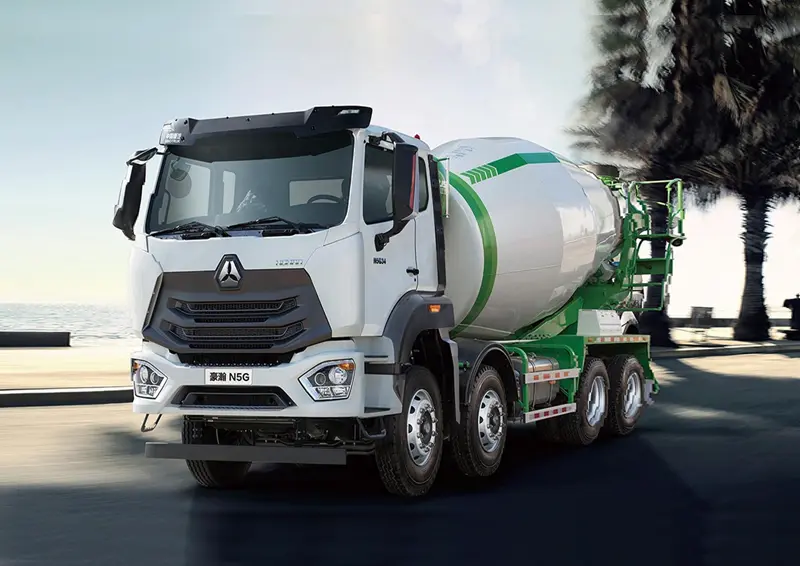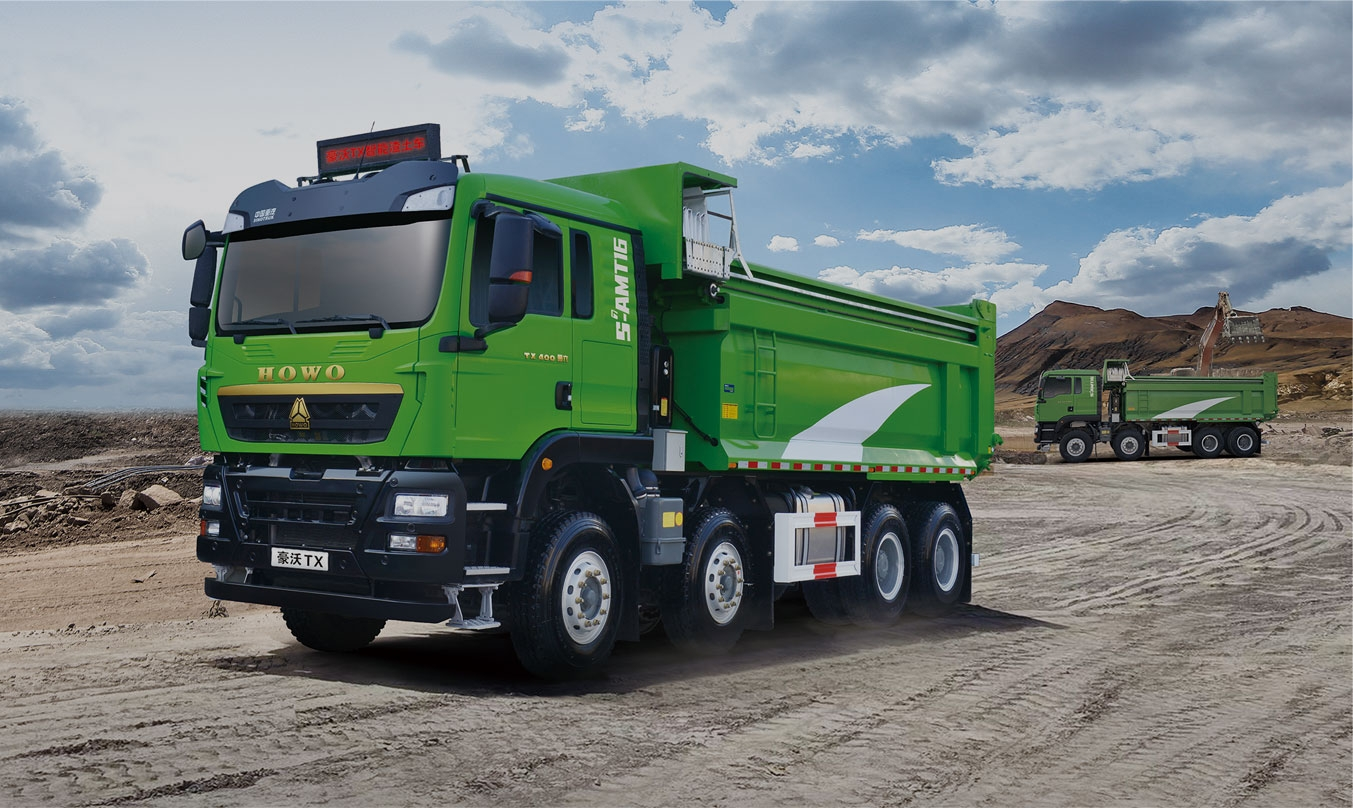
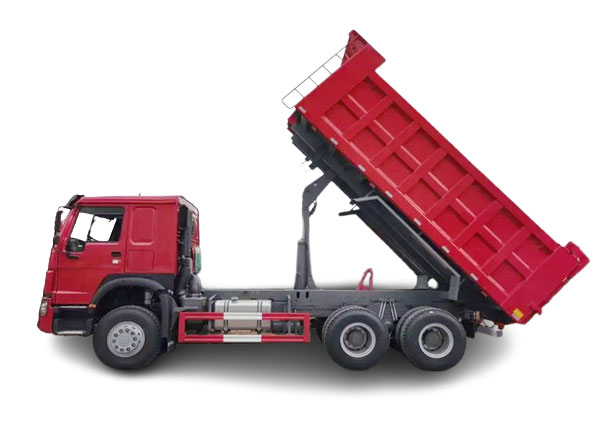
When it comes to heavy-duty construction and mining operations, the Sinotruk Howo Euro 4 dump truck stands as a formidable workhorse engineered for reliability and performance. Built to meet stringent Euro 4 emission standards, this truck combines powerful engine technology with robust chassis design to handle the most demanding off-road conditions and heavy payloads.
At the heart of the Howo Euro 4 dump truck is its advanced powertrain. Most models are equipped with the WP10H or WP12 series engines, specifically calibrated for Euro 4 compliance. These engines typically deliver between 336 to 371 horsepower, with peak torque ranging from 1450 to 1800 Nm. This ensures exceptional pulling power even when fully loaded, whether you're navigating steep inclines at a quarry or hauling through muddy construction sites. The engines are paired with either a robust 9-speed or 10-speed manual transmission, providing smooth gear shifts and optimal power delivery across various terrains.
Payload capacity is where the Howo Euro 4 dump truck truly shines. Depending on the specific model and configuration, these trucks can handle payloads from 20 to 30 tons. The dump body is constructed from high-strength steel, often with a U-shaped design to prevent material sticking and ensure complete discharge. The hydraulic system features a reliable telescopic hoist cylinder, allowing for fast lifting times—typically under 20 seconds for full elevation—which maximizes operational efficiency on busy job sites.
Operators will appreciate the driver-centric cabin design. The spacious interior reduces driver fatigue during long shifts, with ergonomic controls, air conditioning, and improved sound insulation. Safety features include robust drum brakes with anti-lock braking system (ABS), reinforced front and side guards, and optional rearview cameras for enhanced visibility. For maintenance, the Howo Euro 4 dump truck is designed with serviceability in mind. Common service points are easily accessible, and the engine's common-rail fuel system and exhaust gas recirculation (EGR) technology are engineered for durability and lower long-term operating costs.
When considering a Howo Euro 4 dump truck for your fleet, it's crucial to evaluate your specific operational needs. For heavy mining applications, opt for models with reinforced frames and larger dump bodies. For general construction, standard configurations offer an excellent balance of performance and cost-efficiency. Always verify that the engine and after-treatment system have been properly maintained, as the Diesel Particulate Filter (DPF) requires periodic cleaning to maintain efficiency and comply with emission standards.
Real-world performance feedback from operators consistently highlights the truck's durability under extreme conditions. The combination of a rugged ladder frame, heavy-duty axles, and premium suspension components ensures longevity even when operating in rocky or uneven terrains. the availability of genuine spare parts and widespread service support makes the Howo Euro 4 dump truck a practical choice for businesses looking to minimize downtime and maximize productivity.
When we talk about Euro 4 diesel, we're referring to a specific emission standard that was introduced by the European Union to regulate the pollutants from diesel engines. This standard, officially known as Euro 4, came into force in January 2005 for new type approvals and January 2006 for all new vehicle registrations. It marked a significant step forward in reducing the environmental impact of diesel-powered vehicles, including the heavy-duty trucks I've worked with throughout my career at Sinotruk Howo.
The core objective of Euro 4 diesel standards is to limit the amount of harmful exhaust emissions, such as nitrogen oxides (NOx), hydrocarbons (HC), carbon monoxide (CO), and particulate matter (PM). For diesel engines, meeting Euro 4 requirements typically involves using advanced technologies like exhaust gas recirculation (EGR), diesel particulate filters (DPF), and selective catalytic reduction (SCR) systems. These technologies work together to ensure that the diesel combustion process is cleaner and more efficient.
From a practical standpoint, if you're operating or maintaining a Sinotruk Howo truck designed for Euro 4 diesel compliance, you'll notice that the engine management systems are more sophisticated. They require ultra-low sulfur diesel (ULSD) fuel, which has a sulfur content of no more than 50 parts per million. This is crucial because higher sulfur levels can damage the after-treatment systems and reduce their effectiveness in controlling emissions.
One common question I get from fleet managers is about the differences between Euro 4 diesel and earlier standards like Euro 3. The key improvements include a substantial reduction in NOx emissions—by about 30%—and a halving of PM emissions. These changes not only benefit the environment but also enhance engine performance and longevity when properly maintained.
For those involved in the commercial trucking industry, understanding what is Euro 4 diesel is essential for compliance with regulations in many regions outside Europe as well, including parts of Asia and Africa where these standards have been adopted. It's also worth noting that using Euro 4 diesel engines can lead to better fuel economy and lower operating costs over time, thanks to the optimized combustion processes.
If you're considering upgrading to a Euro 4-compliant vehicle or maintaining one, always ensure you're using the correct fuel and adhering to the manufacturer's service schedules. Regular checks of the DPF and SCR systems are vital to avoid costly repairs and to keep emissions within legal limits. From my hands-on experience, Sinotruk Howo models equipped with Euro 4 diesel engines are robust and reliable when maintained properly, offering a great balance of power and efficiency.
In regions where emission standards are tightening, moving to Euro 4 diesel technology can be a smart investment. It not only future-proofs your fleet but also demonstrates a commitment to sustainability. Whether you're a driver, technician, or fleet operator, grasping the intricacies of what is Euro 4 diesel will help you make informed decisions and optimize your operations for years to come.
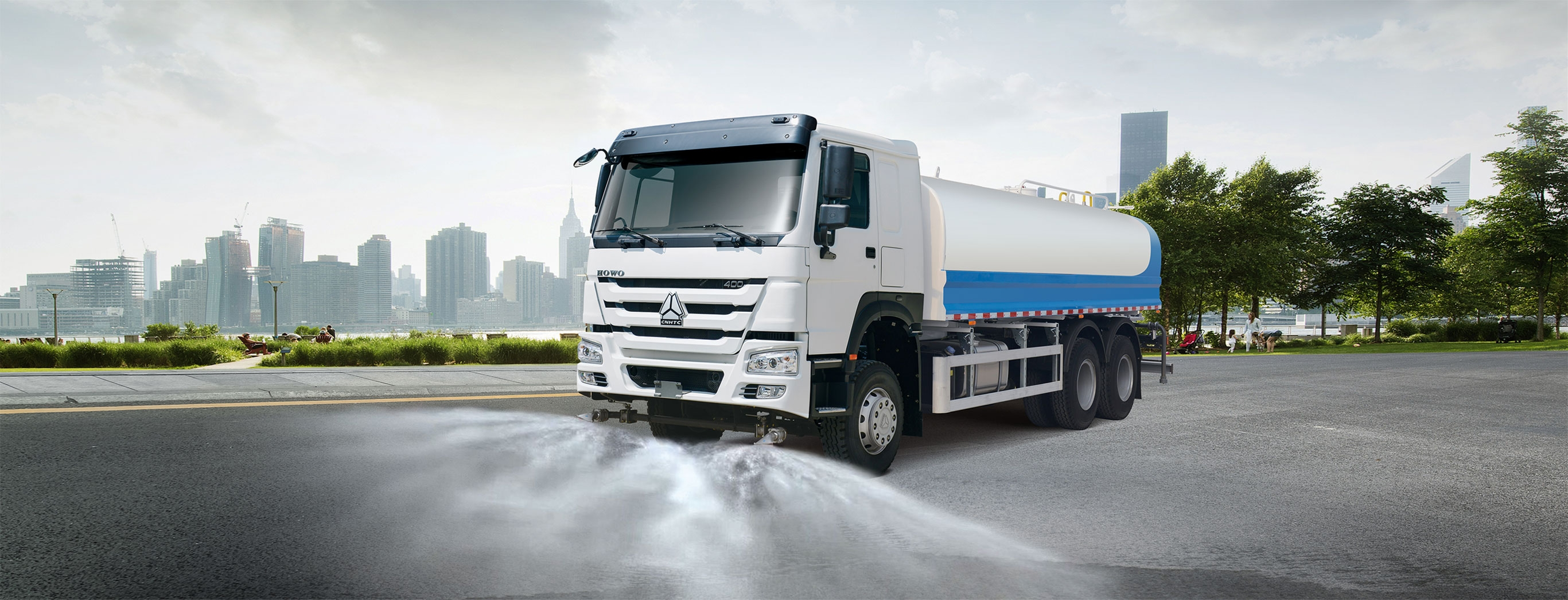
If you're operating a Sinotruk Howo truck with a Euro 4 engine and looking to upgrade to Euro 6 emissions standards, you've come to the right place. As an industry expert with years of hands-on experience, I've guided numerous fleet owners through this precise process. Converting from Euro 4 to Euro 6 isn't just about compliance—it's about enhancing performance, reducing environmental impact, and future-proofing your investment.
The journey to convert Euro 4 to Euro 6 involves several technical steps, each critical to achieving those stricter emissions targets. First and foremost, you'll need to assess your current engine system. Most Euro 4 engines in Sinotruk Howo trucks lack the advanced after-treatment systems required for Euro 6. This means retrofitting is essential, and it typically starts with installing a Selective Catalytic Reduction (SCR) system if not already present. SCR technology is key for reducing nitrogen oxides (NOx), which are heavily regulated under Euro 6 standards.
consider the Diesel Particulate Filter (DPF). While some Euro 4 models might have a basic DPF, Euro 6 demands a more efficient one. Upgrading or replacing your DPF ensures that particulate matter is reduced to acceptable levels. you may need to integrate an Exhaust Gas Recirculation (EGR) system or enhance an existing one to work in tandem with the SCR. This combination helps lower combustion temperatures and further cuts NOx emissions.
Another crucial aspect is the engine control unit (ECU). Euro 6 compliance requires sophisticated software to manage the after-treatment systems effectively. Reprogramming or replacing the ECU allows for precise control over fuel injection, AdBlue dosing, and overall system monitoring. For Sinotruk Howo owners, I always recommend sourcing genuine parts or certified equivalents to avoid compatibility issues. This isn't just about passing tests—it's about ensuring long-term reliability and avoiding costly downtime.
Now, let's talk about AdBlue, the diesel exhaust fluid used in SCR systems. When you convert Euro 4 to Euro 6, you'll need to install an AdBlue tank and dosing system if your truck doesn't already have one. This fluid is injected into the exhaust stream to break down NOx into harmless nitrogen and water. Proper calibration is vital here; too little AdBlue won't meet emissions standards, while too much can lead to operational problems. Based on my experience, regular maintenance of this system is non-negotiable for sustained performance.
Beyond hardware, don't overlook the importance of diagnostics and testing. After retrofitting, comprehensive emissions testing is mandatory to verify Euro 6 compliance. Tools like onboard diagnostics (OBD) systems must be updated to monitor the new components continuously. This proactive approach helps catch issues early, saving you from potential fines or failures during inspections. For those managing a fleet, training your mechanics on these new systems is equally important—knowledge is power when it comes to maintenance.
while the process to convert Euro 4 to Euro 6 might seem daunting, the benefits are substantial. You'll not only meet regulatory requirements but also often see improved fuel efficiency and resale value. If you're unsure where to start, consulting with a certified Sinotruk service center can provide tailored advice for your specific model. Remember, every truck is unique, and a professional assessment ensures a smooth transition without unexpected setbacks.
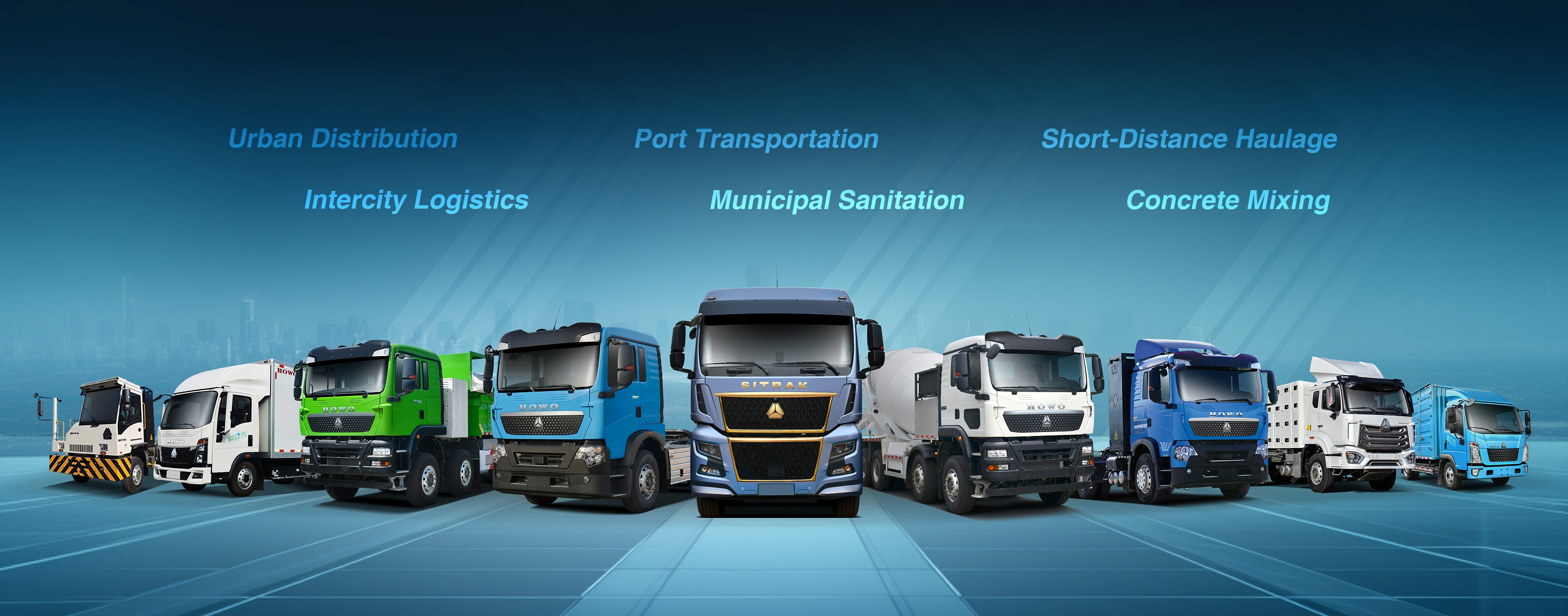
When you're looking for a reliable Euro 4 engine list, especially for Sinotruk Howo trucks, it's essential to understand the specific models and their capabilities. As someone who has worked directly with these engines in various applications, I can share some practical insights that go beyond basic specifications. Euro 4 compliance is crucial for meeting emission standards without sacrificing performance, and Sinotruk Howo has several robust options that stand out in the market.
One of the most common engines you'll find in the Euro 4 engine list for Sinotruk Howo is the WD615 series. This inline-six diesel engine is known for its durability and efficiency, making it a popular choice for heavy-duty hauling. With power outputs ranging from 266 horsepower to 375 horsepower, it caters to a wide range of transportation needs. Having serviced these engines myself, I can attest to their ease of maintenance and availability of parts, which is a significant advantage for fleet operators.
Another key player in the Euro 4 engine list is the D10 series, which offers advanced fuel injection technology and improved thermal management. This engine typically delivers between 350 and 420 horsepower, ideal for long-haul operations where fuel economy and reliability are paramount. From my experience, the D10 engine's common rail system reduces emissions effectively while maintaining strong torque at low RPMs, a feature that drivers appreciate during uphill climbs or loaded trips.
For those seeking a compact yet powerful option, the MC07 engine is worth considering. It's a smaller displacement engine in the Euro 4 engine list, often used in medium-duty Howo trucks. With outputs around 240-280 horsepower, it balances performance and emissions control beautifully. I've seen these engines perform exceptionally well in urban delivery settings, where stop-and-go driving demands responsive power and lower particulate matter output.
Maintenance tips for these Euro 4 engines can make a big difference in longevity. Regularly checking the exhaust gas recirculation (EGR) system and diesel particulate filter (DPF) is critical, as these components are central to emission control. Using high-quality urea for selective catalytic reduction (SCR) systems also ensures optimal performance and avoids costly repairs down the line. Based on hands-on experience, I recommend scheduling filter replacements every 100,000 kilometers to prevent clogging and maintain efficiency.
If you're comparing Euro 4 engines for Sinotruk Howo trucks, also consider factors like fuel consumption rates and service network support. Engines like the WD615 have a proven track record in diverse climates, from extreme cold to high heat, which speaks to their robust design. For specific applications such as mining or construction, opting for engines with higher torque ratings—often found in the D10 series—can enhance productivity and reduce operational costs.
Ultimately, choosing the right engine from a Euro 4 engine list depends on your specific needs: whether it's for freight transport, construction, or regional distribution. Sinotruk Howo's range offers flexibility and compliance, backed by engineering that prioritizes both environmental standards and operational efficiency. If you have further questions about engine performance or maintenance, feel free to reach out—I'm always happy to share more detailed insights based on real-world experience.
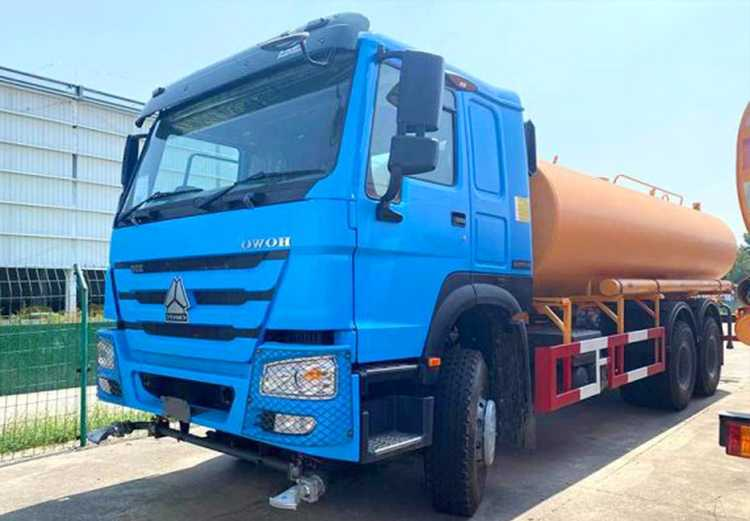
The SINOTRUK HOWO series represents the pinnacle of Chinese heavy-duty truck engineering, combining German MAN technology with superior manufacturing craftsmanship. Designed for exceptional performance, reliability, and economy, the HOWO series has become a preferred choice for logistics and transport operations worldwide.
Equipped with SINOTRUK's proprietary MC series engines, delivering up to 540 HP and 2500 N·m torque with excellent hill-climbing capability.
Comprehensive safety features including ABS+ASR+ESC, lane departure warning, and forward collision warning systems.
Four-point suspended cab, air-suspension seat, multifunction steering wheel, and automatic climate control for reduced driver fatigue.
Advanced SCR technology meets China VI emission standards with 5-8% lower fuel consumption than comparable models.
HOWO trucks excel in long-haul transportation with their fuel efficiency and driver comfort features, making them ideal for logistics companies.
Highway Line-haulWith robust frame structures and exceptional load capacity, HOWO trucks perform reliably in demanding construction environments.
Off-road Heavy loadReliable power systems and precise temperature control compatibility meet strict requirements for perishable goods transportation.
Refrigerated Temperature-controlledSINOTRUK HOWO incorporates cutting-edge technologies that set new standards in the heavy-duty truck industry:
Advanced driver assistance systems (ADAS) including adaptive cruise control, intelligent braking, and fatigue monitoring.
Real-time vehicle monitoring, remote diagnostics, and fleet management integration for optimized operations.
SINOTRUK HOWO series meets international quality and safety standards:
SINOTRUK HOWO trucks have gained international recognition and are operating successfully in diverse markets around the world:
Market leader in Southeast Asia with strong presence in Thailand, Vietnam, and Philippines.
Extensive service network across Africa with proven performance in challenging conditions.
HOWO models meet stringent European standards with growing presence in Eastern European markets.
"Our fleet of 20 HOWO T7H trucks has demonstrated 40% lower failure rate compared to our previous brand, with significantly better fuel economy that reduces our operating costs."
"The driver comfort in HOWO trucks is exceptional. The reduced fatigue on long hauls has improved our safety record and driver retention significantly."
"SINOTRUK's after-sales service network is comprehensive. Even in remote areas, we receive prompt technical support and parts availability."
"Our HOWO dump trucks have proven incredibly reliable in harsh construction environments, with excellent load capacity and minimal downtime."
SINOTRUK HOWO series meets international quality and safety standards:
International quality management system certification ensuring consistent product quality.
European safety standard for cab strength and occupant protection.
Compliance with the latest Chinese emission regulations.
Standard maintenance intervals are 15,000 km for oil changes and 30,000 km for comprehensive servicing, though this may vary based on operating conditions.
SINOTRUK offers a comprehensive warranty package including 24 months or 200,000 km coverage (whichever comes first) for the base vehicle and 12 months or 100,000 km for specific components.
HOWO trucks offer comparable performance and reliability to European brands at a more competitive price point, with lower maintenance costs and excellent parts availability.
Depending on model and operating conditions, HOWO trucks typically achieve 25-30 liters per 100 km, which is 5-8% better than industry averages for comparable vehicles.