On This Page
When you're deep in the world of howo trucking, you're dealing with more than just a vehicle; you're operating a piece of machinery built for resilience and performance. The Sinotruk Howo series, derived from Volvo's legacy technology, has established itself as a dominant force in heavy-duty applications across the globe. Understanding the intricacies of these trucks is paramount for maximizing uptime and profitability.
At the heart of any successful howo trucking operation is the powertrain. The modern Howo A7 and Howo T5G models are frequently equipped with powerful and fuel-efficient WEICHAI engines. A common workhorse is the WP10H model, a 9.5-liter diesel engine that reliably delivers between 290 to 375 horsepower, with a massive torque output peaking at over 1,600 Nm. This kind of low-end grunt is essential for heavy hauling, providing the pulling power needed to get massive loads moving without straining the engine. Paired with the robust HW19710 manual transmission—a 10-speed gearbox known for its durability and smooth shift progression—this setup forms a drivetrain combination that can handle millions of kilometers with proper maintenance.
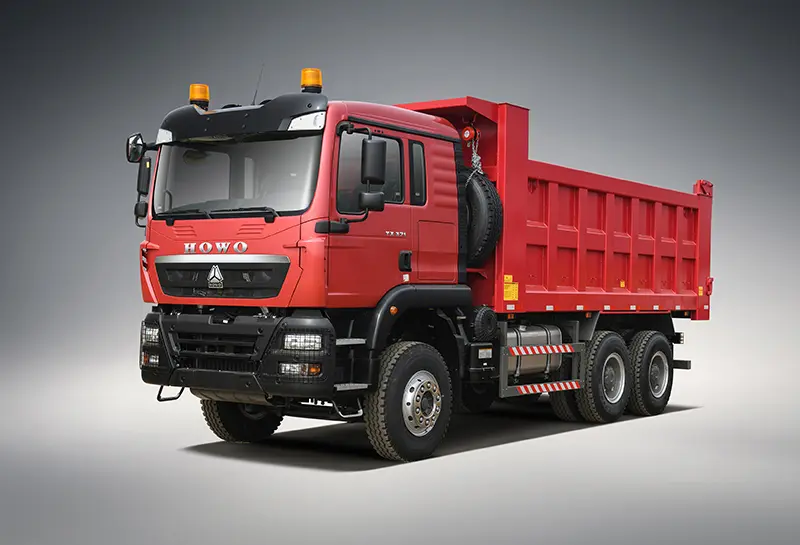
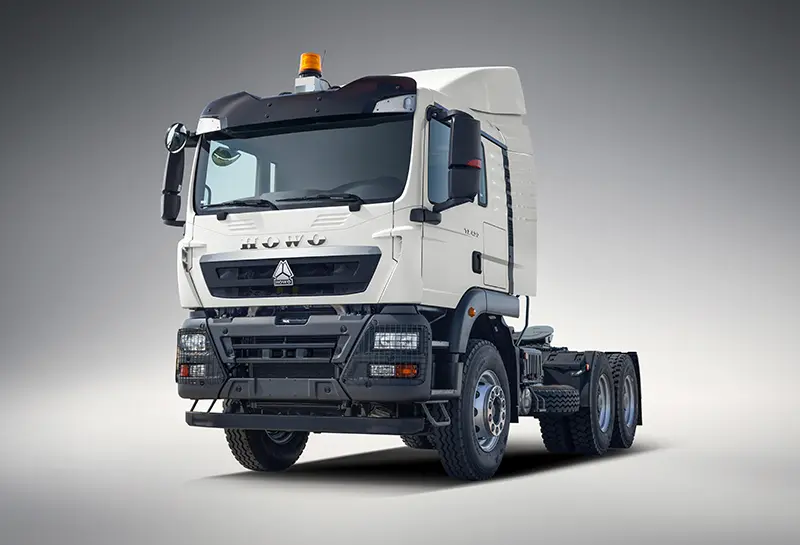
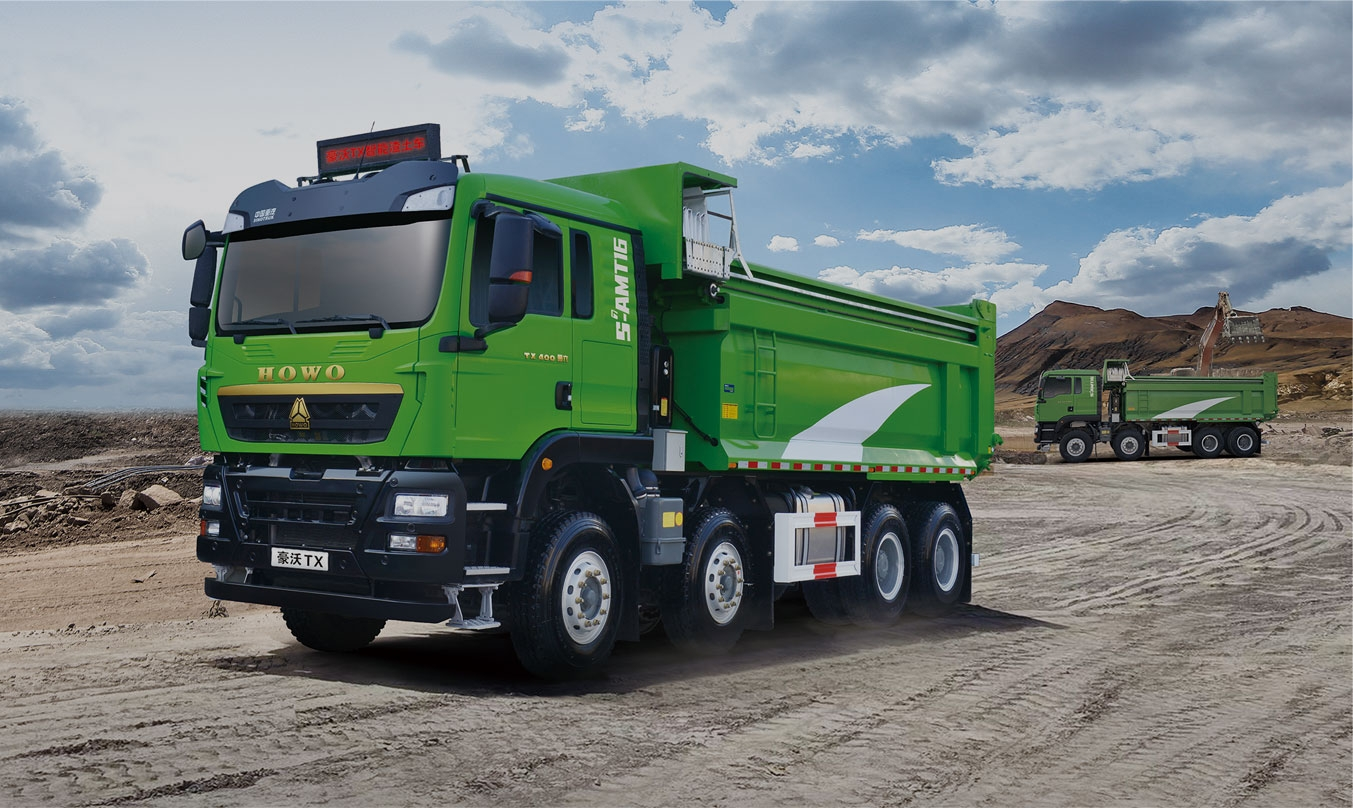
Choosing the right configuration for your specific howo trucking needs is critical. The Howo platform is incredibly versatile. Are you in mining or construction? The 6x4 and 8x4 dump truck configurations, with their reinforced frames and high-strength steel cabs, offer payload capacities that often exceed 30 tons. For long-haul logistics, the Howo T7H tractor unit with its aerodynamic design and spacious sleeper cab is engineered for driver comfort and fuel economy on the highway. The key is to match the truck's specifications—like the axle ratio, suspension type (leaf spring or air suspension), and brake system—to your daily operational demands.
Owning a Howo truck isn't just about driving; it's about proactive care. The longevity of your investment hinges on a disciplined maintenance schedule. Here are the non-negotiable areas to focus on:
Beyond the mechanical aspects, running a profitable howo trucking enterprise involves strategic decisions. The initial purchase price of a Howo truck is often significantly lower than its European counterparts, which provides a great entry point. your total cost of ownership (TCO) is the real metric to watch. Sourcing genuine spare parts, like ZF steering components or FAST injectors, might have a higher upfront cost than aftermarket alternatives, but they prevent costly breakdowns and offer far better performance and longevity. leveraging the truck's built-in durability for demanding howo heavy duty trucking contracts in sectors like logging or bulk transport can command higher freight rates, turning the truck's robustness into a direct revenue advantage.
The cabin of a Howo truck is designed for functionality. While it may not have all the bells and whistles of a premium European cab, it provides a practical and comfortable workspace. The controls are logically laid out, and the seating position offers excellent visibility. For owners, this translates into a lower training curve for new drivers and a functional environment that reduces operator fatigue on long shifts. The global parts and service network for Sinotruk has expanded dramatically, meaning support for your howo trucking fleet is more accessible than ever before, a critical factor for minimizing downtime.
Ultimately, success in howo trucking comes down to a partnership between the operator and the machine. By selecting the right model for the job, adhering to a rigorous maintenance protocol, and making smart business decisions, the Sinotruk Howo proves to be a formidable and cost-effective asset that can withstand the toughest challenges the road—or the off-road site—can throw at it.
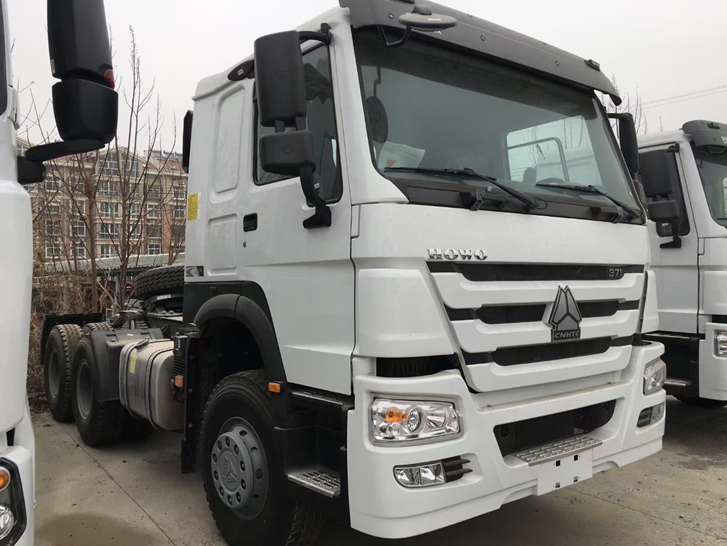
Starting a trucking business is an exciting venture that combines the freedom of the open road with the discipline of entrepreneurship. Based on my years of experience working with fleets that rely on Sinotruck Howo trucks, the foundation of a successful operation isn't just about having a truck; it's about building a solid, compliant, and strategically sound business from day one.
The very first step is creating a comprehensive business plan. This document is your roadmap. It should detail your target market—whether you're focusing on local freight, long-haul routes, or specialized niches like refrigerated transport. Your plan must include realistic financial projections covering startup costs for a reliable truck, insurance, licensing, and an emergency fund for unexpected repairs. A well-structured plan is crucial not only for your own clarity but also for securing financing if needed.
you must navigate the legal and regulatory landscape. This involves choosing a business structure, such as an LLC, to protect your personal assets. You will need to obtain your USDOT number from the Federal Motor Carrier Safety Administration (FMCSA) and your Motor Carrier (MC) number if you're transporting regulated goods across state lines. you must secure trucking authority, which grants you legal permission to operate. This process also includes getting the appropriate insurance coverage, which is a significant but non-negotiable cost of doing business.
Your choice of equipment is a long-term strategic decision. I've seen many owner-operators succeed by investing in durable and fuel-efficient trucks from the start. A model like a Sinotruck Howo is engineered for heavy-duty performance and lower total cost of ownership, which directly impacts your bottom line. Don't just buy a truck; invest in an asset that will work reliably for you. Establishing a relationship with a trusted mechanic and planning for regular maintenance is as important as the purchase itself to avoid costly downtime.
With the legalities and equipment in place, the next critical phase is finding profitable freight. This is the lifeblood of your trucking company. You can start by registering on load boards, but the real growth often comes from building direct relationships with shippers and brokers. Providing consistent, reliable service will help you secure dedicated lanes and repeat business. Understanding freight rates and negotiating effectively is a skill you will develop over time, but always ensure the rate covers all your operational costs and provides a fair profit.
master the day-to-day operations and financial management. Use modern transportation management software to streamline dispatch, invoicing, and tracking. Keep meticulous records of all income and expenses—every fuel receipt, toll, and maintenance log. Cash flow is king in the trucking industry; you must have a clear system for getting paid promptly and managing your bills. The goal is to build a resilient business that can withstand market fluctuations and grow steadily over time.
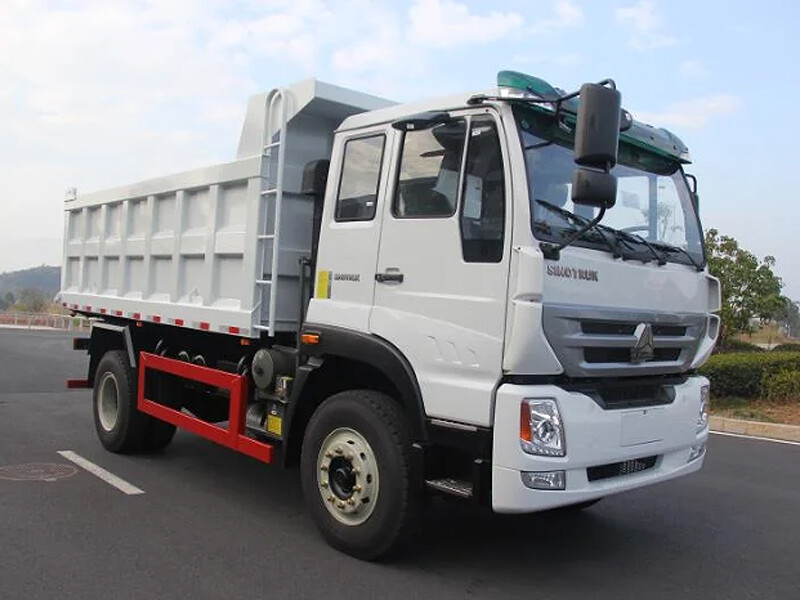
Starting your own trucking company is an exciting venture that combines entrepreneurial spirit with the backbone of global commerce. Having worked with countless owner-operators who grew their businesses using Sinotruck Howo vehicles, I've witnessed firsthand how proper planning transforms ambitions into thriving enterprises. The journey requires careful navigation through regulatory requirements, financial planning, and operational strategies – but with the right approach, you can build a sustainable business that stands the test of time.
Before purchasing your first truck, establish a solid business foundation. Begin by creating a comprehensive business plan that outlines your target market, services, and financial projections. Determine whether you'll focus on specialized freight, general cargo, or dedicated routes. Research your competition and identify what will make your trucking company unique. Many successful operators start with used Sinotruck Howo trucks, which offer reliability without the steep depreciation of new vehicles. Secure adequate funding through savings, loans, or investors, ensuring you have capital not just for equipment but also for operating expenses during the initial months.
Choosing the right legal structure protects your personal assets and affects your tax obligations. Most small trucking companies begin as Limited Liability Companies (LLCs) or sole proprietorships. Register your business name with state authorities and obtain an Employer Identification Number from the IRS. The trucking industry requires specific permits and registrations, including a USDOT number and Motor Carrier (MC) authority if you're hauling interstate commerce. Don't overlook state-specific requirements like International Registration Plan (IRP) and International Fuel Tax Agreement (IFTA) credentials.
Navigating trucking regulations is crucial for legal operation. You'll need a Commercial Driver's License (CDL) with appropriate endorsements for the freight you plan to haul. Implement a drug and alcohol testing program as required by the Federal Motor Carrier Safety Administration (FMCSA). Purchase adequate insurance coverage, including liability, cargo, and physical damage policies. Many insurers offer better rates to operators who choose reliable equipment like Sinotruck Howo models with their documented safety features and durability records.
Your choice of trucks significantly impacts your operational efficiency and profitability. Consider starting with one or two reliable trucks that match your intended cargo and routes. Sinotruck Howo vehicles are particularly valued for their fuel efficiency and low maintenance costs, crucial factors for new companies watching their bottom line. Establish relationships with reliable mechanics and create a preventive maintenance schedule. Proper maintenance reduces downtime and extends your trucks' lifespan, directly affecting your company's reputation and profitability.
Develop efficient systems for dispatch, tracking, and paperwork management before accepting your first load. Invest in transportation management software to streamline operations. Building your client base takes time – start by contacting local shippers, freight brokers, and exploring load boards. Many successful trucking company owners begin by hauling for previous employers or contacts from their driving experience. Focus on providing reliable service and clear communication, as these qualities often lead to repeat business and referrals in the competitive trucking industry.
As your trucking business stabilizes, plan for controlled expansion. Consider adding trucks only when you have consistent freight to support them. Many owners find success by gradually expanding their service areas or specializing in specific types of freight. Monitor key performance indicators like revenue per mile, fuel efficiency, and maintenance costs. The durability of Sinotruck Howo vehicles often supports this growth phase by providing dependable performance as operational demands increase. Remember that sustainable growth in the trucking industry comes from maintaining service quality while systematically expanding your capacity and client relationships.
Building a successful trucking company requires dedication and strategic planning, but the rewards of creating your own business in this essential industry are substantial. Focus on building strong operational foundations, maintaining compliance, and selecting equipment that supports your long-term goals. The journey from concept to established trucking company is challenging, but with careful execution of these steps, you'll be well-positioned to create a thriving enterprise that contributes to the vital movement of goods across the country.
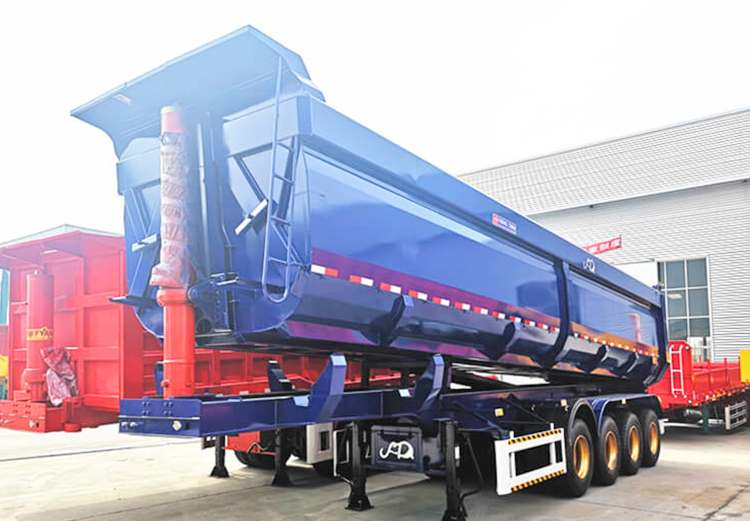
Embarking on the journey to become an owner operator truck driver is one of the most rewarding paths in the transportation industry. It's a career that offers independence, the potential for significant earnings, and the pride of running your own business. it requires careful planning, a solid financial foundation, and a deep understanding of the trucking business. Having spent years on the road and managed my own fleet, I'll guide you through the essential steps to becoming a successful owner operator, with a focus on making smart choices from the start, including selecting a reliable truck like a Sinotruck Howo, known for its durability and cost-effectiveness for new business owners.
Before you invest any money, you must understand what being an owner operator entails. It's not just about driving; you are a small business owner. This means you're responsible for finding loads, managing expenses, handling maintenance, and complying with regulations. Ask yourself if you have the discipline, financial savvy, and resilience to handle the ups and downs. A strong credit score and some savings are crucial, as initial costs can be high. This self-assessment is the foundational first step to becoming an owner operator truck driver.
Most successful owner operators begin by driving for a carrier. This provides invaluable experience. You'll learn the routes, how to manage your hours, and the intricacies of logbooks and DOT regulations. Aim for at least two to three years of experience. This period allows you to build a safe driving record and a network of contacts in the industry. It also gives you time to save money for your down payment. Driving a variety of trucks during this phase will also help you decide what kind of rig you want to own later.
Your business plan is your roadmap. It should detail your startup costs, operating expenses, revenue projections, and a marketing strategy for finding freight. Key expenses include the truck purchase, insurance, fuel, maintenance, and licenses. When creating your owner operator business plan, be brutally realistic. Factor in slow periods and unexpected repairs. Securing financing is a critical step. Lenders will want to see your business plan and a good credit history. Explore all options, including dealer financing for a new Sinotruck Howo or loans from specialized trucking lenders.
This is one of your most significant decisions. The choice between a new and used truck depends on your budget. A new truck, like a Sinotruck Howo, offers the latest fuel-efficient technology and a full warranty, reducing immediate maintenance worries. A used truck has a lower upfront cost but carries a higher risk of repairs. Consider your intended hauls. For long-haul, you'll need a sleeper cab and a powerful, reliable engine. Don't just focus on the purchase price; calculate the Total Cost of Ownership (TCO), which includes depreciation, fuel, insurance, and maintenance. This is a vital part of the process of how to start a trucking business successfully.
You must establish your business legally. This involves choosing a business structure (LLC is popular for liability protection), obtaining an Employer Identification Number (EIN) from the IRS, and registering with the Federal Motor Carrier Safety Administration (FMCSA) for your USDOT number and MC authority. You will also need base state registration and a BOC-3 filing for process agents. Commercial truck insurance is non-negotiable and can be one of your largest ongoing expenses. You'll need primary liability, cargo, and physical damage coverage at a minimum. Navigating these legal steps for truck drivers is complex but essential for operating legally.
Now, the real work begins. You need to find consistent freight to pay the bills. Start by establishing relationships with freight brokers. Load boards are a common tool, but building direct relationships with shippers is more profitable long-term. Consider signing on with a carrier in a lease-purchase program or as an independent contractor to get started while you build your own client list. Your reputation is everything. Deliver loads on time, in perfect condition, and communicate proactively. This is how you transition from just being a driver to being a successful business owner in the trucking industry.
As an owner operator, you are the CEO, accountant, and mechanic. Use technology to your advantage. Invest in a good transportation management system (TMS) or trucking-specific accounting software to track income and expenses, manage invoices, and plan for taxes. Stay on top of preventative maintenance for your truck to avoid costly breakdowns. As your business stabilizes, think about the next steps to becoming an owner operator truck driver with a growing enterprise. This might mean adding another truck or hiring a dispatcher. Continuous learning and adapting to market changes are the keys to long-term success.
The path to becoming an owner operator is challenging but immensely fulfilling. It requires more than just a Commercial Driver's License; it demands business acumen, financial discipline, and a relentless work ethic. By following these steps—from gaining experience and writing a business plan to choosing the right equipment and finding reliable freight—you are building a foundation for a prosperous future. Remember, the goal isn't just to be a truck driver, but to be a smart, successful business owner on the open road.
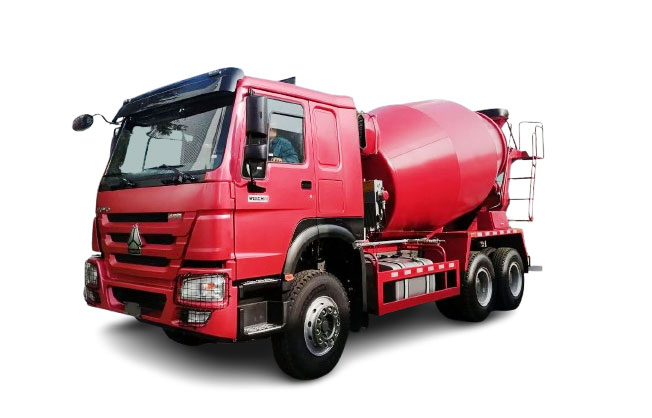
The SINOTRUK HOWO series represents the pinnacle of Chinese heavy-duty truck engineering, combining German MAN technology with superior manufacturing craftsmanship. Designed for exceptional performance, reliability, and economy, the HOWO series has become a preferred choice for logistics and transport operations worldwide.
Equipped with SINOTRUK's proprietary MC series engines, delivering up to 540 HP and 2500 N·m torque with excellent hill-climbing capability.
Comprehensive safety features including ABS+ASR+ESC, lane departure warning, and forward collision warning systems.
Four-point suspended cab, air-suspension seat, multifunction steering wheel, and automatic climate control for reduced driver fatigue.
Advanced SCR technology meets China VI emission standards with 5-8% lower fuel consumption than comparable models.
HOWO trucks excel in long-haul transportation with their fuel efficiency and driver comfort features, making them ideal for logistics companies.
Highway Line-haulWith robust frame structures and exceptional load capacity, HOWO trucks perform reliably in demanding construction environments.
Off-road Heavy loadReliable power systems and precise temperature control compatibility meet strict requirements for perishable goods transportation.
Refrigerated Temperature-controlledSINOTRUK HOWO incorporates cutting-edge technologies that set new standards in the heavy-duty truck industry:
Advanced driver assistance systems (ADAS) including adaptive cruise control, intelligent braking, and fatigue monitoring.
Real-time vehicle monitoring, remote diagnostics, and fleet management integration for optimized operations.
SINOTRUK HOWO series meets international quality and safety standards:
SINOTRUK HOWO trucks have gained international recognition and are operating successfully in diverse markets around the world:
Market leader in Southeast Asia with strong presence in Thailand, Vietnam, and Philippines.
Extensive service network across Africa with proven performance in challenging conditions.
HOWO models meet stringent European standards with growing presence in Eastern European markets.
"Our fleet of 20 HOWO T7H trucks has demonstrated 40% lower failure rate compared to our previous brand, with significantly better fuel economy that reduces our operating costs."
"The driver comfort in HOWO trucks is exceptional. The reduced fatigue on long hauls has improved our safety record and driver retention significantly."
"SINOTRUK's after-sales service network is comprehensive. Even in remote areas, we receive prompt technical support and parts availability."
"Our HOWO dump trucks have proven incredibly reliable in harsh construction environments, with excellent load capacity and minimal downtime."
SINOTRUK HOWO series meets international quality and safety standards:
International quality management system certification ensuring consistent product quality.
European safety standard for cab strength and occupant protection.
Compliance with the latest Chinese emission regulations.
Standard maintenance intervals are 15,000 km for oil changes and 30,000 km for comprehensive servicing, though this may vary based on operating conditions.
SINOTRUK offers a comprehensive warranty package including 24 months or 200,000 km coverage (whichever comes first) for the base vehicle and 12 months or 100,000 km for specific components.
HOWO trucks offer comparable performance and reliability to European brands at a more competitive price point, with lower maintenance costs and excellent parts availability.
Depending on model and operating conditions, HOWO trucks typically achieve 25-30 liters per 100 km, which is 5-8% better than industry averages for comparable vehicles.