On This Page
When it comes to heavy-duty cargo transportation, the Sinotruk Howo 10 wheeler cargo truck stands as a formidable workhorse in markets across the globe. I've had extensive hands-on experience with these trucks, from spec'ing them for specific applications to overseeing their performance in demanding logistics operations. The core of its reputation is built on a robust chassis design, typically the HW16 or HW76, engineered to handle significant stress and provide exceptional durability over the long haul.
Under the hood, you'll most commonly find the powerhouse WP10H series Euro III or Euro V engine. This isn't just any engine; it's a 9.7-liter, 6-cylinder diesel beast. Depending on the specific model and configuration you choose, it delivers a horsepower range that typically spans from 340 HP to a mighty 420 HP, with peak torque output reaching up to 1,900 Nm. This kind of grunt is what allows a Howo 10 wheeler cargo truck to tackle steep gradients and maintain cruising speed with a full load, making it a top choice for long-distance freight and construction material haulage.
The powertrain is a critical partnership. This engine is most often mated to a Fuller RT-11509C manual transmission. This is a 9-speed gearbox with a robust design known for its smooth shifting and resilience under high torque loads. For operators who prefer automation, a HOWO-branded AMT (Automated Manual Transmission) option is also available, reducing driver fatigue on congested routes. The drive is channeled through a single-reduction hypoid rear axle, often with a ratio like 5.73 or 6.72, perfectly calibrated to balance pulling power and fuel efficiency.
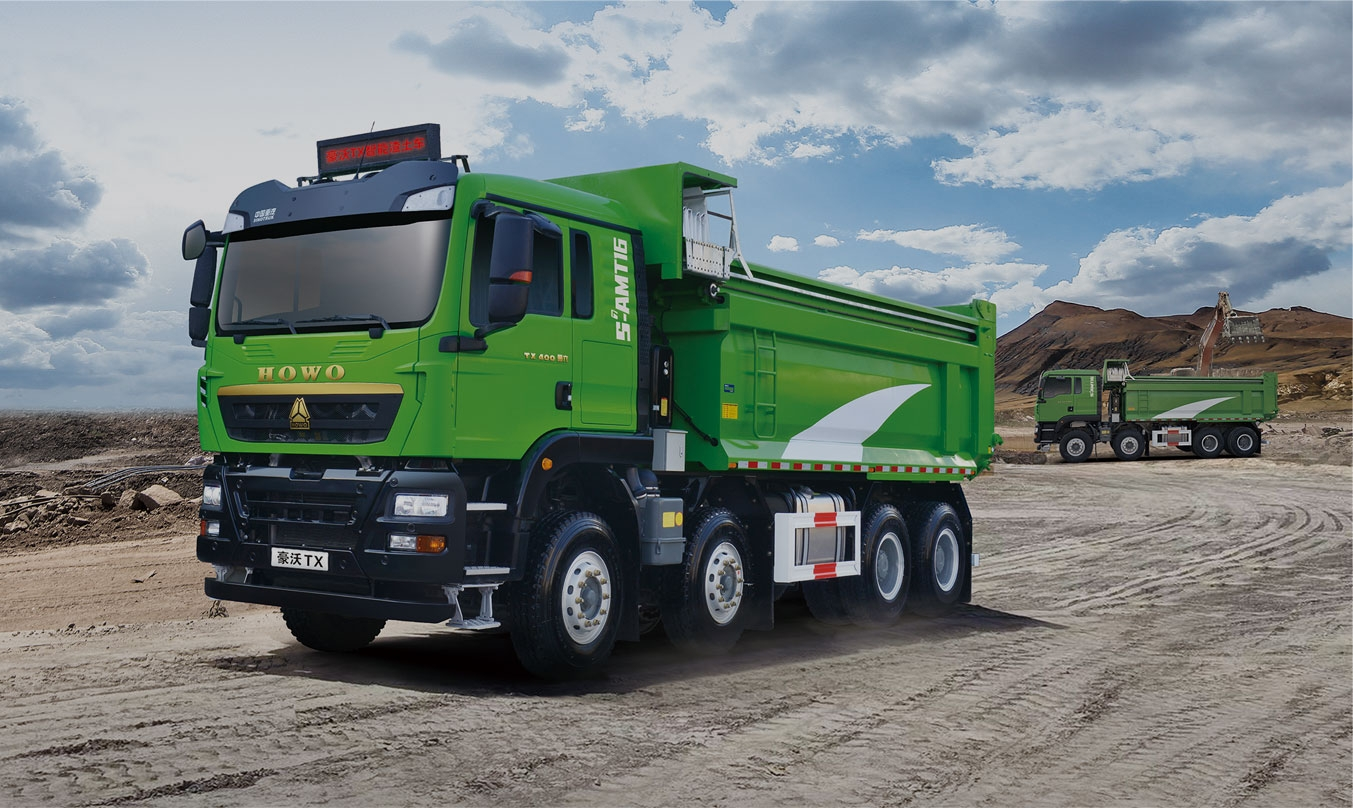
Let's talk about what you can actually carry. The payload capacity is where this truck truly shines. The standard 10-wheeler configuration, with its 3 axles (typically a 2-axle front and a single rear tandem axle), is legally designed to handle gross vehicle weights (GVW) of 25 tons and beyond in many markets. The cargo body itself, often a 7.2 to 8.6-meter-long tipper or flatbed, can comfortably carry a net payload of 15 to 18 tons of goods, be it bulk aggregate, construction equipment, or packaged consumer goods. The frame is built from high-tensile steel, and the suspension—a combination of multi-leaf springs at the front and bogie-style at the rear—is tuned to absorb shocks from uneven terrain while keeping the cargo secure.
From a maintenance and operational perspective, the Howo 10 wheeler cargo truck is designed for ease of service. Key components are accessible, and the widespread availability of parts in many regions minimizes downtime. For a fleet manager or an owner-operator, the total cost of ownership is a major consideration. These trucks offer a compelling value proposition, providing near-premium performance and durability at a significantly lower acquisition cost than many European counterparts.
If you're considering adding one to your fleet, my practical advice is to carefully match the specifications to your duty cycle. For predominantly highway use, opt for a higher horsepower engine (e.g., 380HP or above) with a faster axle ratio to optimize fuel consumption. For tough, off-road or quarry work, prioritize the high-torque engine variants and the lower axle ratios for maximum traction and crawling power. Always insist on a thorough pre-delivery inspection (PDI) to check for any potential issues with the braking system (full-air brakes are standard), electrical wiring, and hydraulic systems if you're getting a tipper body.
The resilience, power, and sheer capability of the Howo 10 wheeler make it more than just a vehicle; it's a strategic asset for businesses built on moving goods reliably and efficiently. Its design philosophy focuses on delivering maximum uptime and productivity, which is exactly what any serious logistics operation needs to succeed.
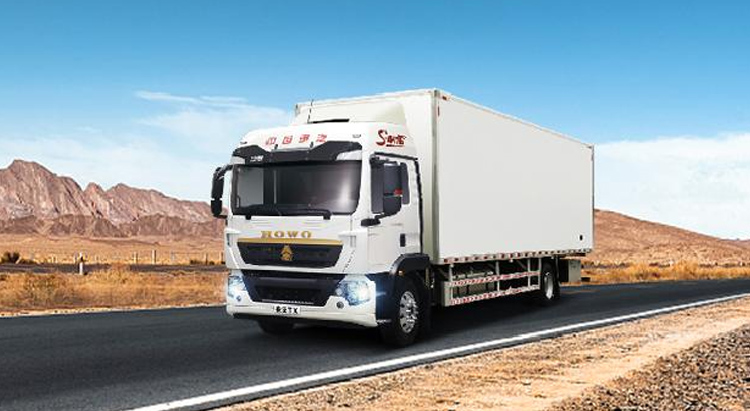
When you're in the market for a reliable heavy-duty truck that can handle substantial cargo loads across varied terrains, the Howo 10 wheeler cargo truck stands out as a top contender. As someone who has spent years working with Sinotruk Howo vehicles, I've seen firsthand how these trucks perform under demanding conditions. The Howo 10 wheeler is engineered for durability, efficiency, and payload capacity, making it a preferred choice for logistics companies, construction sites, and long-haul transportation.
One of the key features of the Howo 10 wheeler cargo truck is its robust chassis design. Built with high-tensile steel, it provides exceptional strength while maintaining a relatively lightweight frame. This balance is crucial for maximizing payload without compromising on fuel efficiency. The truck's suspension system is tailored to absorb shocks and vibrations, ensuring that your cargo remains secure even on rough roads. Whether you're transporting construction materials, agricultural products, or general goods, this truck offers the stability needed for safe delivery.
Under the hood, the Howo 10 wheeler typically comes equipped with a powerful diesel engine, often in the range of 340 to 440 horsepower. This engine is designed for torque rather than sheer speed, which is ideal for heavy loads and uphill drives. From my experience, the fuel consumption is competitive when compared to other trucks in its class, especially when maintained properly. Regular servicing of the engine and transmission can extend the lifespan significantly, and parts are generally accessible due to Sinotruk's widespread dealership network.
When discussing the Howo 10 wheeler cargo truck, it's important to highlight its cabin comfort and safety features. The driver's cabin is ergonomically designed with adjustable seats, ample storage, and intuitive controls. Air conditioning and soundproofing are standard in newer models, reducing driver fatigue on long journeys. Safety isn't an afterthought either; features like ABS brakes, reinforced doors, and advanced lighting systems contribute to safer operations day and night.
Maintenance and ownership costs are often a concern for buyers. Based on my hands-on experience, the Howo 10 wheeler cargo truck is relatively affordable to maintain. Its modular design allows for easy repairs, and many components are interchangeable with other Sinotruk models. For those looking to customize, there are numerous options available such as upgraded tires, additional axles, or specialized cargo bodies. This flexibility makes it suitable for a wide range of industries, from mining to retail distribution.
If you're considering purchasing a Howo 10 wheeler, I recommend evaluating your specific cargo needs. Factors like load weight, typical travel distance, and terrain should influence your decision. Test driving the vehicle and consulting with a certified Sinotruk dealer can provide additional insights tailored to your operations. this truck combines reliability with practicality, making it a smart investment for businesses focused on efficient cargo transportation.
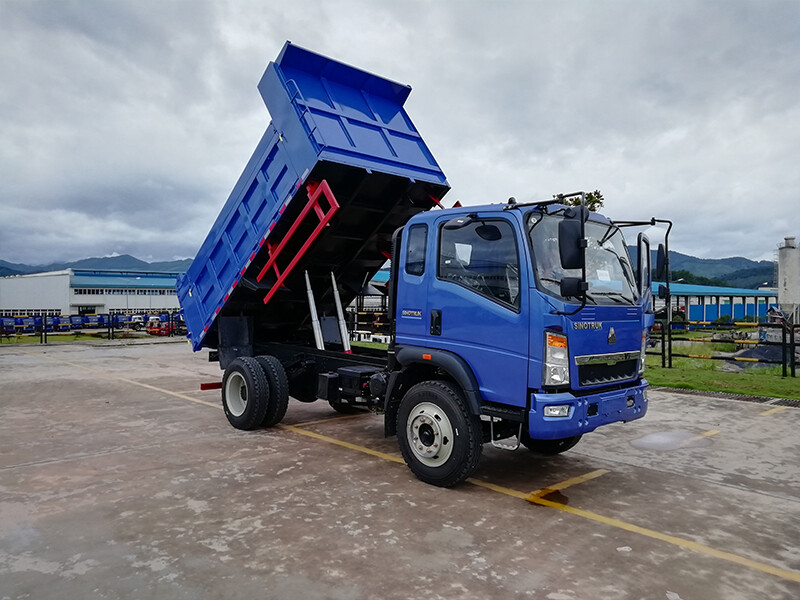
When you're operating a 10 wheeler truck, understanding fuel tank capacity isn't just about numbers—it's about maximizing operational efficiency and planning long-haul routes effectively. As someone who has worked directly with Sinotruk Howo's 10-wheeler models across various configurations, I can share that these trucks typically feature fuel tanks ranging from 300 to 600 liters, depending on the specific model and customization.
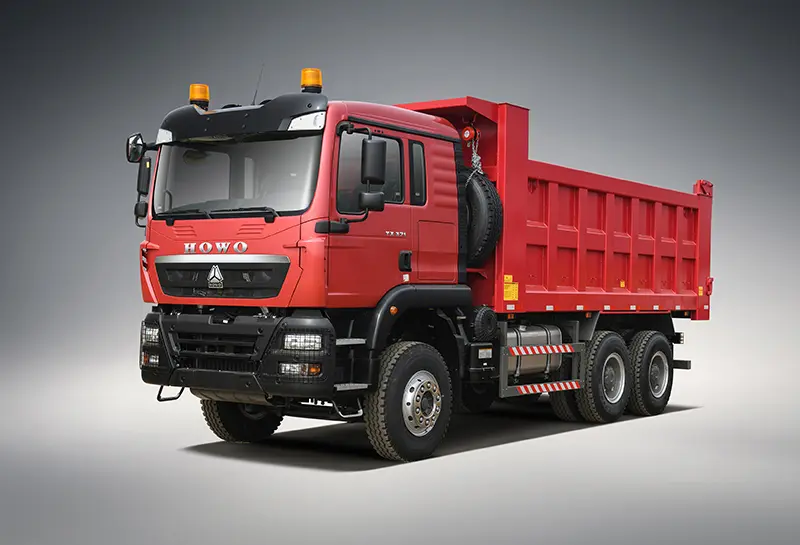
the popular Sinotruk Howo ZZ1257N4647C 10-wheeler dump truck often comes equipped with a standard 400-liter aluminum fuel tank. many fleet operators opt for larger capacity upgrades, especially for cross-country logistics where refueling stations might be sparse. The fuel tank capacity directly impacts how far you can travel without stops, which is crucial for meeting tight delivery schedules.
Several factors influence the ideal fuel tank size for your 10 wheeler truck:
From a maintenance perspective, I always recommend checking the fuel tank's condition during routine services. Corrosion or sediment buildup can reduce effective capacity over time. For those comparing options, the Howo 10-wheeler fuel tank design includes reinforced baffles to minimize fuel sloshing, which improves stability and safety during transit.
If you're calculating fuel needs for a fleet, remember that actual usable capacity might be slightly less than the nominal figure due to design margins. Always factor in a buffer for unexpected detours or traffic delays. Upgrading to a larger fuel tank capacity might involve modifications to the chassis, so consult with authorized Sinotruk dealers to ensure compatibility.
Ultimately, selecting the right 10 wheeler truck fuel tank capacity balances operational range with practical constraints. Whether you're hauling aggregates or container freight, matching the tank size to your specific routes and load profiles will optimize fuel management and reduce downtime.
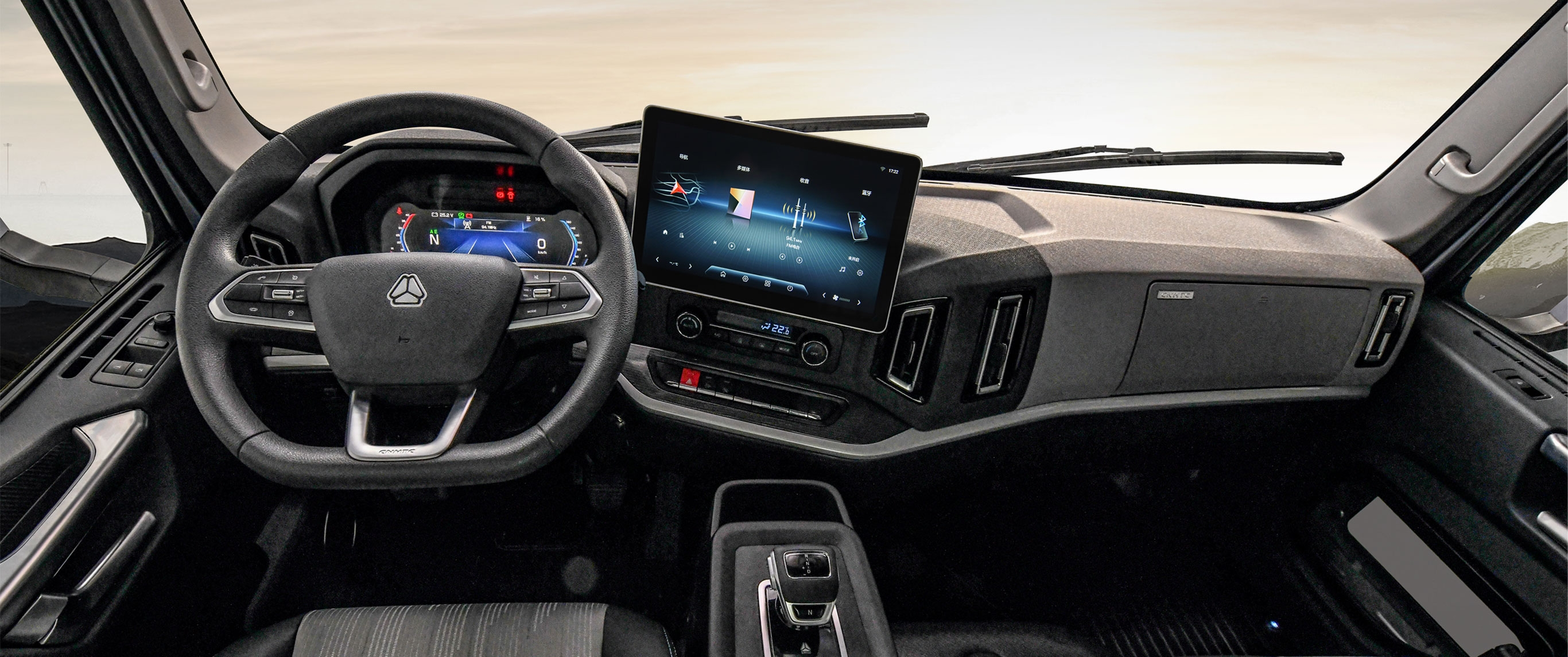
When you're in the market for a heavy-duty workhorse, understanding the detailed specifications of a 10 wheeler truck is crucial to making an informed decision. These trucks, often referred to as 10-wheelers due to their axle configuration, are designed for demanding applications such as construction, logistics, and heavy hauling. As an expert with years of hands-on experience in the Sinotruk Howo lineup, I'll walk you through the key aspects that define these robust vehicles.
Let's start with the chassis and frame. A typical 10 wheeler truck features a reinforced ladder frame constructed from high-tensile steel, ensuring durability under extreme loads. The wheel arrangement usually consists of three axles—a single steering axle at the front and two driven axles at the rear, often configured as a tandem setup for better weight distribution. This design supports a Gross Vehicle Weight (GVW) ranging from 25 to 31 tons, depending on the model and regional regulations. Sinotruk Howo models in this category are engineered to handle payloads up to 20 tons efficiently, making them ideal for construction sites and long-haul freight.
Engine performance is another critical area. Most 10 wheeler trucks are equipped with powerful diesel engines, such as the HOWO series' Euro V-compliant options, which offer between 300 to 400 horsepower. Torque outputs typically range from 1,200 to 1,800 Nm, providing the necessary low-end grunt for climbing steep gradients and navigating rough terrains. Paired with a manual or automated transmission system—like a 9 or 10-speed gearbox—these trucks ensure smooth power delivery and fuel efficiency. In my experience, regular maintenance of the engine and transmission can significantly extend the vehicle's lifespan, especially when operating in harsh conditions.
Moving on to dimensions and capacity, the overall length of a standard 10 wheeler truck varies from 8 to 10 meters, with a wheelbase of around 5.5 to 6 meters to optimize stability. The cargo body, often a tipper or flatbed, measures approximately 6 to 7.5 meters in length, 2.3 to 2.5 meters in width, and 1.5 to 2 meters in height, yielding a volumetric capacity of 15 to 20 cubic meters. Braking systems are equally important; these trucks commonly feature air brakes with ABS and EBS for enhanced safety, coupled with robust suspension systems like leaf springs or air bags to absorb shocks and protect the load.
Beyond the basics, consider factors like fuel tank capacity—often 300 to 400 liters for long-range operations—and tire specifications, which usually include 10 or 12-ply radial tires designed for heavy loads and off-road use. In my years working with Sinotruk Howo trucks, I've found that paying attention to these details not only improves performance but also reduces operating costs through better fuel economy and fewer breakdowns. Whether you're hauling aggregates or machinery, a well-specified 10 wheeler truck can be a reliable partner on the job site.
always check local regulations for compliance, as specifications might vary based on regional standards. If you need personalized advice on selecting the right model for your needs, consulting with a dealer or experienced mechanic can provide insights tailored to your specific applications. Remember, investing time in understanding these specifications upfront will pay off in reliability and efficiency down the road.
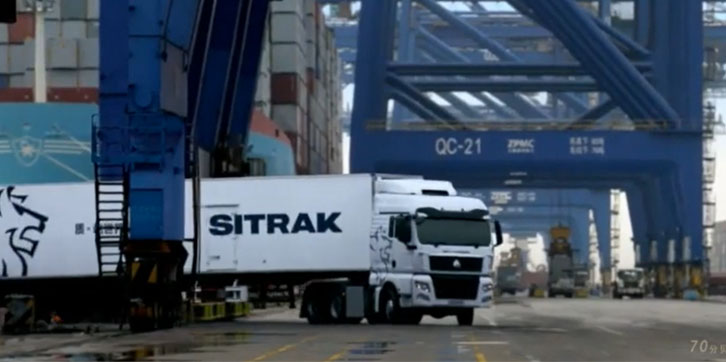
When you're in the market for a heavy-duty truck, understanding the dimensions of a 10 wheeler truck is crucial for making an informed decision. These trucks, often referred to as 10-wheelers, are a common sight in construction, logistics, and heavy hauling due to their robust build and capacity. Let me break down the key aspects of 10 wheeler truck dimensions based on my years of experience with models like Sinotruk Howo.
The overall length of a standard 10 wheeler truck typically ranges from 10 to 12 meters (approximately 33 to 40 feet), depending on the chassis and body configuration. This length includes the cabin and the cargo area, which is vital for ensuring compliance with road regulations and maneuverability in tight spaces. in urban deliveries or construction sites, knowing the exact length helps avoid obstacles and plan routes efficiently.
Width is another critical dimension, usually around 2.5 meters (8.2 feet) for most models. This standard width ensures stability on the road while allowing enough space for loading and unloading goods. When considering a 10 wheeler truck for your operations, it's essential to account for any additional attachments like side mirrors or aerodynamic kits, which might slightly increase the overall width.
Height can vary significantly based on the type of body mounted on the chassis. A flatbed or tipper body might have a height of 3 to 3.5 meters (9.8 to 11.5 feet), while a box truck or refrigerated unit could reach up to 4 meters (13 feet). Always check the height clearance for routes, especially under bridges or in warehouses, to prevent costly damages or delays.
Beyond the external dimensions, the wheelbase—the distance between the front and rear axles—plays a key role in the truck's stability and load distribution. For a 10 wheeler truck, the wheelbase often falls between 5.5 and 7 meters (18 to 23 feet), affecting turning radius and overall handling. A longer wheelbase provides better load capacity but may reduce agility, so choose based on your specific needs.
Here are some practical considerations for 10 wheeler truck dimensions:
In my work with Sinotruk Howo trucks, I've seen how these dimensions impact real-world performance. a well-proportioned 10 wheeler can navigate narrow city streets while hauling substantial loads, making it a versatile choice for diverse industries. Always consult the manufacturer's specifications for precise measurements, as customizations can alter standard dimensions.
Remember, accurate knowledge of 10 wheeler truck dimensions not only ensures regulatory compliance but also enhances safety and efficiency. Whether you're a fleet manager or an owner-operator, taking the time to understand these details will pay off in smoother operations and reduced costs.

The SINOTRUK HOWO series represents the pinnacle of Chinese heavy-duty truck engineering, combining German MAN technology with superior manufacturing craftsmanship. Designed for exceptional performance, reliability, and economy, the HOWO series has become a preferred choice for logistics and transport operations worldwide.
Equipped with SINOTRUK's proprietary MC series engines, delivering up to 540 HP and 2500 N·m torque with excellent hill-climbing capability.
Comprehensive safety features including ABS+ASR+ESC, lane departure warning, and forward collision warning systems.
Four-point suspended cab, air-suspension seat, multifunction steering wheel, and automatic climate control for reduced driver fatigue.
Advanced SCR technology meets China VI emission standards with 5-8% lower fuel consumption than comparable models.
HOWO trucks excel in long-haul transportation with their fuel efficiency and driver comfort features, making them ideal for logistics companies.
Highway Line-haulWith robust frame structures and exceptional load capacity, HOWO trucks perform reliably in demanding construction environments.
Off-road Heavy loadReliable power systems and precise temperature control compatibility meet strict requirements for perishable goods transportation.
Refrigerated Temperature-controlledSINOTRUK HOWO incorporates cutting-edge technologies that set new standards in the heavy-duty truck industry:
Advanced driver assistance systems (ADAS) including adaptive cruise control, intelligent braking, and fatigue monitoring.
Real-time vehicle monitoring, remote diagnostics, and fleet management integration for optimized operations.
SINOTRUK HOWO series meets international quality and safety standards:
SINOTRUK HOWO trucks have gained international recognition and are operating successfully in diverse markets around the world:
Market leader in Southeast Asia with strong presence in Thailand, Vietnam, and Philippines.
Extensive service network across Africa with proven performance in challenging conditions.
HOWO models meet stringent European standards with growing presence in Eastern European markets.
"Our fleet of 20 HOWO T7H trucks has demonstrated 40% lower failure rate compared to our previous brand, with significantly better fuel economy that reduces our operating costs."
"The driver comfort in HOWO trucks is exceptional. The reduced fatigue on long hauls has improved our safety record and driver retention significantly."
"SINOTRUK's after-sales service network is comprehensive. Even in remote areas, we receive prompt technical support and parts availability."
"Our HOWO dump trucks have proven incredibly reliable in harsh construction environments, with excellent load capacity and minimal downtime."
SINOTRUK HOWO series meets international quality and safety standards:
International quality management system certification ensuring consistent product quality.
European safety standard for cab strength and occupant protection.
Compliance with the latest Chinese emission regulations.
Standard maintenance intervals are 15,000 km for oil changes and 30,000 km for comprehensive servicing, though this may vary based on operating conditions.
SINOTRUK offers a comprehensive warranty package including 24 months or 200,000 km coverage (whichever comes first) for the base vehicle and 12 months or 100,000 km for specific components.
HOWO trucks offer comparable performance and reliability to European brands at a more competitive price point, with lower maintenance costs and excellent parts availability.
Depending on model and operating conditions, HOWO trucks typically achieve 25-30 liters per 100 km, which is 5-8% better than industry averages for comparable vehicles.