Understanding HOWO truck transmissions is essential for owners and fleet managers. The transmission system in these heavy-duty vehicles is designed for durability and performance under demanding conditions. HOWO trucks typically use manual transmissions with multiple gear ratios to handle various load capacities and terrain types.
When considering transmission replacement costs, several factors come into play. A new transmission for a HOWO truck can range from $3,000 to $8,000 depending on the specific model and transmission type. Labor costs typically add $1,000 to $2,000 to the total expense. Always source genuine parts from authorized dealers to ensure compatibility and longevity.
Truck transmissions operate through a series of gears that transfer power from the engine to the wheels. The gear selection determines the speed and torque output. Higher gears provide more speed with less torque, while lower gears deliver more pulling power at slower speeds. Proper shifting technique and regular maintenance are crucial for transmission longevity.
Before purchasing a transmission, verify your truck's model specifications and transmission code. Consider both new and rebuilt options - rebuilt transmissions can cost 30-50% less while offering similar performance. Always consult with certified technicians for installation to maintain your vehicle's warranty and performance standards.
If you're facing transmission issues with your heavy-duty truck, one of the most pressing questions on your mind is likely: how much does it cost to put a new transmission in a truck? As a specialist with years of hands-on experience working with Sinotruk Howo trucks and other major brands, I can tell you that the answer isn't a single number. The final price tag for a truck transmission replacement is a complex equation, influenced by the truck's make and model, the type of transmission, labor rates in your area, and whether you choose a brand-new unit, a remanufactured one, or a used part.
Let's break down the core components that determine the cost of a new truck transmission. The transmission unit itself is the most significant variable. For a Class 8 heavy-duty truck like a Sinotruk Howo, a brand-new OEM (Original Equipment Manufacturer) transmission can be a major investment, often ranging from $8,000 to over $20,000. The specific model—whether it's a 10-speed, 12-speed, or 16-speed—and its technological features (like automated manual transmissions) heavily influence this price.
A more budget-conscious alternative is a remanufactured transmission. These units have been completely disassembled, inspected, and rebuilt to meet original specifications, often with a new warranty. The price for a remanufactured truck transmission typically falls between $4,000 and $10,000, offering substantial savings. While a used transmission is the cheapest upfront option, it carries the highest risk of premature failure, making it a less reliable long-term solution for a vehicle that's critical to your business.
Beyond the part itself, labor is the other major cost driver. The question of "truck transmission replacement cost" must account for the skilled work required. Replacing a transmission in a heavy-duty truck is not a simple job; it requires specialized tools, a heavy-duty lift, and a highly trained technician. Labor times can vary from 10 to 20 hours or more, depending on the truck's configuration and any unforeseen complications.
At a commercial truck repair shop, labor rates can range from $100 to $150 per hour or even higher. This means the labor cost alone for a new transmission installation can easily add $1,500 to $3,000 to your total bill. It's crucial to get a detailed estimate from a reputable shop that breaks down both parts and labor.
Several other factors can impact the final cost to install a new transmission. Don't forget about ancillary parts. A clutch replacement is almost always performed simultaneously on manual trucks, adding $1,000 to $3,000 for parts and labor. You may also need new transmission fluid, filters, seals, gaskets, and possibly a new driveshaft yoke or clutch linkage components. If the shop discovers additional issues during the repair, such as problems with the flywheel or clutch housing, the cost will increase further.
Location also plays a role. Labor rates and parts markups are generally higher in major metropolitan areas compared to rural regions. The brand of your truck also matters; transmissions for premium European brands often command a higher price than those for domestic or Chinese brands like the reliable and cost-effective Sinotruk Howo.
So, what is the realistic total price range? For a complete truck transmission replacement on a heavy-duty vehicle using a remanufactured unit and including all standard ancillary parts and labor, you should budget between $7,000 and $15,000. A brand-new OEM transmission will push the total cost toward the $15,000 to $25,000+ range.
My professional advice is to always get at least two or three detailed quotes from trusted heavy-duty truck service centers. Ask them to specify whether the quote is for a new, remanufactured, or used transmission and what the warranty covers. While the initial cost to put a new transmission in a truck is significant, investing in a quality unit and professional installation minimizes downtime and protects your truck's resale value, ensuring your business stays on the road.
If you've ever wondered how a truck transmission works, you're not alone. Understanding this complex system is key to appreciating the engineering behind heavy-duty vehicles like the Sinotruck Howo. At its core, a truck transmission is a mechanical marvel designed to transfer power from the engine to the drive wheels, ensuring optimal performance under varying loads and road conditions.
The fundamental principle behind how a truck transmission works revolves around gear ratios. Unlike a car, a heavy-duty truck requires a wide range of gears to handle everything from steep inclines to highway cruising. When you start from a standstill, the transmission uses a low gear ratio to multiply torque, providing the necessary force to get a loaded trailer moving. As you gain speed, the transmission shifts into higher gears, reducing engine RPM while maintaining velocity, which improves fuel efficiency and reduces wear.
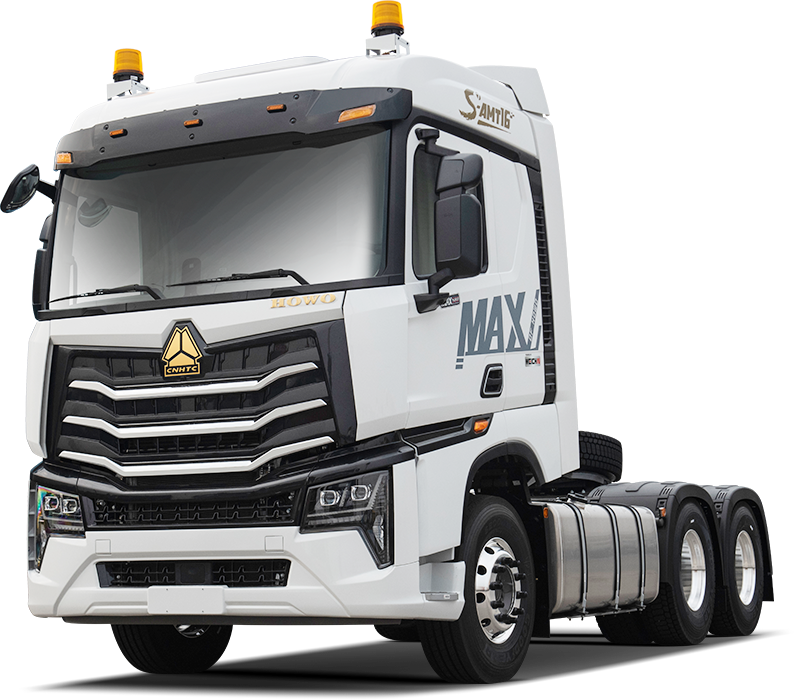
Most modern heavy trucks, including models from Sinotruck Howo, utilize manual or automated manual transmissions (AMTs). In a manual transmission, the driver selects gears using a clutch pedal and gear lever. The clutch temporarily disconnects the engine from the transmission, allowing gears to engage smoothly. An AMT automates this process using electronic controllers and actuators, but the underlying mechanics remain similar. These systems are prized for their durability and efficiency in commercial applications.
Inside the transmission case, you'll find multiple sets of gears arranged on parallel shafts. The input shaft receives power from the engine via the clutch, while the output shaft delivers power to the driveshaft. Between them, countershafts with various-sized gears enable different ratios. When you shift gears, synchronizers match the speeds of engaging components to prevent grinding, ensuring seamless transitions. This intricate dance of components is what makes a truck transmission work reliably over hundreds of thousands of miles.
For heavy-duty operations, many trucks feature auxiliary sections or splitter gears. These provide additional ratios, often called "deep reduction" gears, for extreme low-speed maneuvering or climbing grades. In a Sinotruck Howo equipped with a multi-speed transmission, drivers might have up to 16 gears to choose from, allowing precise control over power delivery. This versatility is crucial when hauling maximum loads across diverse terrain.
Proper maintenance is essential for how a truck transmission works long-term. Regular fluid changes, clutch adjustments, and inspections for leaks or unusual noises can prevent costly downtime. In my experience with Sinotruck Howo fleets, transmissions that receive scheduled servicing often outlast the truck itself. Remember, harsh shifting or riding the clutch accelerates wear on gears and bearings.
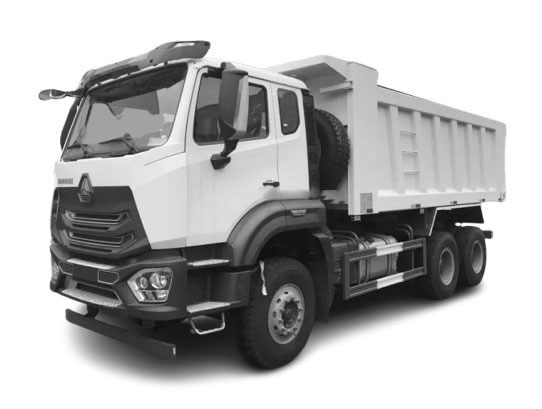
Understanding how a truck transmission works isn't just technical knowledge—it's practical wisdom for any driver or fleet manager. Whether you're operating a Sinotruck Howo dump truck on a construction site or a long-haul tractor on the interstate, appreciating this system helps you drive more efficiently and identify issues early. The transmission's role in converting raw engine power into controlled motion is what makes modern freight transportation possible.