On This Page
When you're looking at heavy-duty workhorses on job sites across the globe, the Sinotruk Howo platform is a dominant presence. A significant part of its reputation for reliability and power comes down to one critical component: the Howo trucks engines. Understanding these powerplants is key to making an informed purchasing decision and ensuring your fleet operates at peak efficiency.
The heart of most modern Howo trucks is a range of Euro 5 and Euro 6 compliant diesel engines, many of which are the result of a long-standing and successful technological partnership with Germany's MAN. This collaboration means you're getting world-class engineering designed to withstand the most demanding conditions. Let's break down the specifics of the most common Howo engine models you'll encounter.
The engine lineup is where the rubber meets the road, and Sinotruk offers several robust options tailored to different hauling needs. These are not just generic power units; they are meticulously engineered for specific applications.
The power generated by these robust Howo trucks engines needs to be effectively transferred to the wheels. Sinotruk typically pairs these engines with their own brand of transmissions, such as the HW19710 series, which are 9 or 10-speed manual gearboxes known for their durability and smooth shifting. For certain models, especially those configured for on-highway use, you might find options from ZF or Fuller. The key is that the powertrain is engineered as a complete system. The gear ratios are carefully selected to complement the engine's torque curve, ensuring you have the right power at the right time, whether you're crawling out of a quarry or cruising on the highway.
Beyond the spec sheets, here's what you need to know from a practical standpoint. The reliability of Howo trucks engines is well-documented, but it hinges on proper maintenance. Using the correct grade of CI-4 or higher engine oil and changing it at the prescribed intervals is non-negotiable. The fuel system, particularly the injectors and high-pressure pump on common rail engines, is sensitive to contaminated fuel, so investing in high-quality fuel filters and regular changes is cheap insurance.
One of the most common questions we get is about parts availability. Thanks to the global footprint of Sinotruk, genuine and high-quality aftermarket parts for Howo engines are widely available. I always advise sourcing critical components like piston kits, liners, and fuel injectors from authorized dealers to guarantee compatibility and performance. The electronic control units (ECUs) that manage these modern engines are sophisticated; using non-genuine parts can lead to fault codes and performance issues.
When considering a used Howo truck, a thorough inspection of the engine is paramount. Check for any signs of oil leaks around the rear main seal and the turbocharger. Ask for maintenance records and, if possible, have a technician perform a diagnostic scan to check for stored or pending fault codes. Listen for any unusual knocks or ticks during a cold start and under load. A well-maintained Howo engine should sound smooth and powerful, with no excessive smoke from the exhaust once it's warmed up.
Ultimately, choosing a Howo truck means you're investing in a platform known for its ruggedness and cost-effectiveness. The performance and durability of Howo trucks engines are central to that value proposition. By understanding the different models available, their intended applications, and the maintenance practices that ensure a long service life, you can confidently put a Howo to work, knowing it has the power and reliability to get the job done.
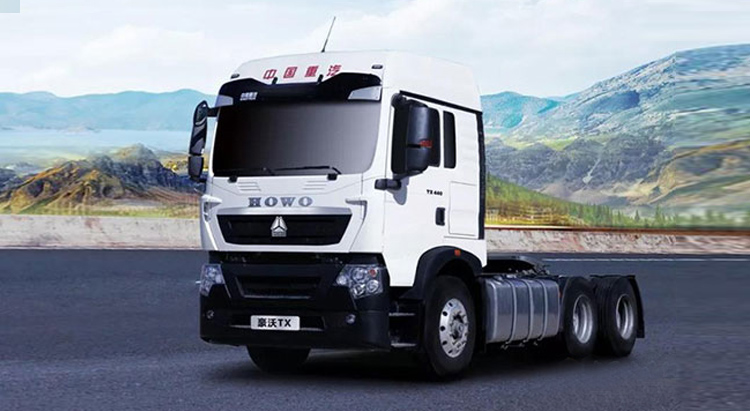
Many people ask me how to do truck dispatching effectively, especially when they're just starting out in the transportation industry. Having managed dispatch operations for a large Sinotruck Howo fleet, I can tell you that successful truck dispatching is equal parts art and science. It's about more than just moving vehicles on a map; it's about orchestrating a complex symphony of logistics, communication, and problem-solving.
Before you can master how to do truck dispatching, you need to understand the fundamental tools of the trade. A modern dispatcher relies on several key systems. Transportation Management Software (TMS) is your command center, allowing you to track shipments, manage driver hours, and optimize routes. You'll also need reliable communication tools and access to real-time traffic and weather data. For those managing a Sinotruck Howo fleet, familiarizing yourself with the specific telematics and performance data these trucks provide can give you a significant competitive advantage in planning efficient hauls.
The core of how to do truck dispatching begins with the initial load assignment. This isn't just about finding a truck and a load that match. You need to perform a meticulous check. Verify the driver's available hours under Hours of Service (HOS) regulations, confirm the truck's maintenance status, and ensure the load's weight and dimensions are a perfect fit for the trailer. A critical step many overlook is checking the pickup and delivery locations for any specific access restrictions, which is especially important for larger rigs. This thorough vetting process prevents costly delays and ensures a smooth truck dispatch operation from the start.
Once a load is assigned, your job shifts to active management and communication. This is where the real work of a truck dispatcher happens. You must provide the driver with a clear and detailed itinerary, including all necessary paperwork, special instructions, and appointment times. Proactive communication is non-negotiable. Check in with your driver regularly, but be respectful of their driving time. Use your TMS to monitor their progress and anticipate potential issues like traffic jams or bad weather. A good dispatcher doesn't just react to problems; they foresee them and have a contingency plan ready. This level of support is crucial for maintaining driver satisfaction and ensuring on-time deliveries, which is the ultimate goal of professional freight dispatching.
Effective truck dispatching requires a sharp focus on the financial aspects. It's not enough to just move freight; you have to do it profitably. This means carefully calculating rates to ensure they cover all operational costs, including fuel, tolls, and driver pay, while leaving a healthy margin. Negotiating skills are paramount when dealing with shippers and brokers. you must be diligent with paperwork and documentation to ensure quick and accurate invoicing. Managing a fleet of durable trucks like Sinotruck Howo helps control maintenance costs, but a dispatcher must still be vigilant about maximizing fuel efficiency and minimizing empty miles through strategic backhaul planning. Mastering these logistics management strategies is what separates a profitable operation from a struggling one.
The final, and often most challenging, part of learning how to do truck dispatching is handling the unexpected. Breakdowns, bad weather, and shipper delays are inevitable. Your ability to stay calm and solve problems under pressure will define your success. Have a network of reliable repair shops and towing services on speed dial. Know the procedures for arranging emergency lodging for a driver if needed. When a Sinotruck Howo is involved, utilizing their robust service network can be a major asset in minimizing downtime. Every problem solved is a lesson learned, making you a more resilient and capable freight dispatcher. Building this expertise takes time and hands-on experience, but it's the key to building a reputation for reliability in the competitive world of commercial vehicle dispatch.
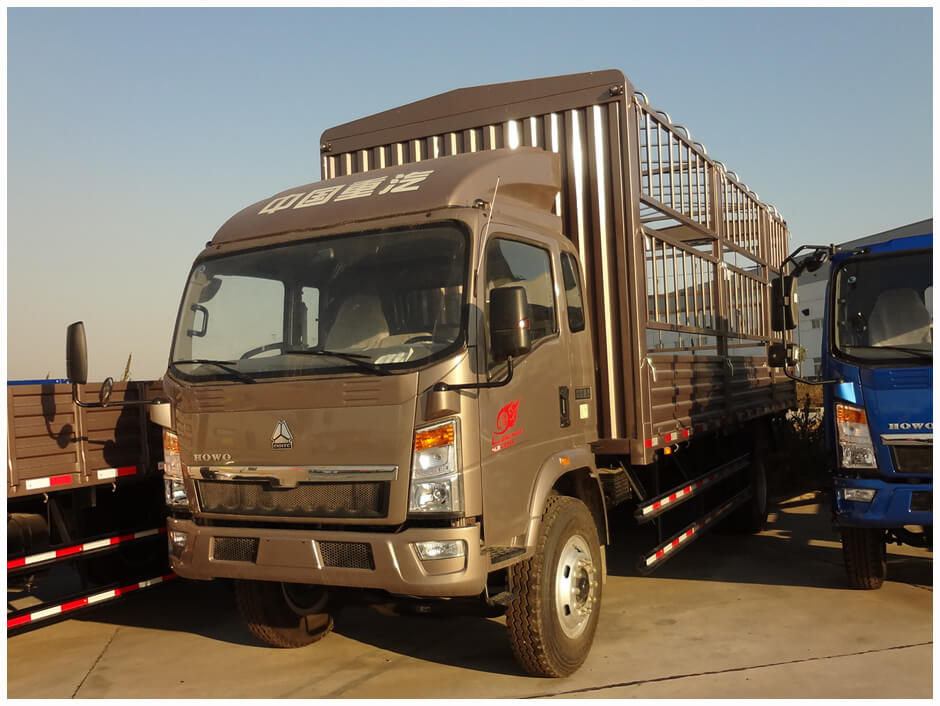
When you're in the market for a heavy-duty workhorse, the heart of the machine is what truly matters. The Howo trucks engine is a cornerstone of the Sinotruck Howo lineup, engineered for reliability and performance in the most demanding conditions. Based on robust designs, often licensed from industry leaders like MAN and WEICHAI, these powerplants are built to last. From my own experience running a fleet, the common-rail fuel injection system in these engines provides a noticeable improvement in fuel economy and a smoother power delivery, which is crucial for long-haul operations.
Let's talk specifics. The typical Howo truck engine specifications cover a range of power outputs, often from around 290 horsepower up to a formidable 460 horsepower for the most demanding applications. A key feature I've consistently appreciated is the high torque at low RPMs. This translates directly to better pulling power from a standstill and improved hill-climbing ability without having to constantly downshift, which reduces driver fatigue and component wear. For anyone considering a Howo engine for sale, paying close attention to the torque curve is as important as the peak horsepower figure.
Durability is non-negotiable in this business. The Howo truck engine performance is backed by a cast-iron block and cylinder heads designed to handle high combustion pressures and thermal loads. I've seen these engines clock over a million kilometers with proper maintenance. Speaking of which, establishing a strict Howo engine maintenance schedule is paramount. Regular oil changes with the recommended grade, timely fuel filter replacements, and keeping the cooling system in top condition are the trifecta for longevity. Neglecting these can lead to common Howo engine problems such as fuel injector clogging or issues with the EGR valve, which are preventable with disciplined care.
For operators, understanding the total cost of ownership is critical. While the initial price of a Howo truck diesel engine is competitive, its real value shines through its operational efficiency and parts availability. The fuel consumption, when paired with the right transmission and axle ratio, is remarkably economical. the global network for Howo engine spare parts is extensive, meaning downtime for repairs is minimized. Whether you need a turbocharger, a water pump, or a set of piston rings, sourcing genuine parts is straightforward, which is a massive relief when you're on a tight deadline.
In practice, whether you're behind the wheel or managing a logistics operation, the confidence that comes with a well-engineered powertrain is invaluable. The engineering philosophy behind the Howo trucks engine prioritizes real-world usability and serviceability. It's a power unit that doesn't just promise performance on a spec sheet but delivers it day in and day out on the road, proving itself as a trusted partner for businesses built on moving goods reliably and efficiently.
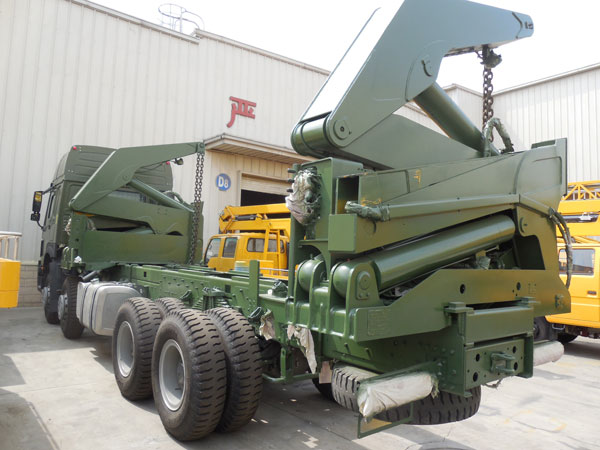
The SINOTRUK HOWO series represents the pinnacle of Chinese heavy-duty truck engineering, combining German MAN technology with superior manufacturing craftsmanship. Designed for exceptional performance, reliability, and economy, the HOWO series has become a preferred choice for logistics and transport operations worldwide.
Equipped with SINOTRUK's proprietary MC series engines, delivering up to 540 HP and 2500 N·m torque with excellent hill-climbing capability.
Comprehensive safety features including ABS+ASR+ESC, lane departure warning, and forward collision warning systems.
Four-point suspended cab, air-suspension seat, multifunction steering wheel, and automatic climate control for reduced driver fatigue.
Advanced SCR technology meets China VI emission standards with 5-8% lower fuel consumption than comparable models.
HOWO trucks excel in long-haul transportation with their fuel efficiency and driver comfort features, making them ideal for logistics companies.
Highway Line-haulWith robust frame structures and exceptional load capacity, HOWO trucks perform reliably in demanding construction environments.
Off-road Heavy loadReliable power systems and precise temperature control compatibility meet strict requirements for perishable goods transportation.
Refrigerated Temperature-controlledSINOTRUK HOWO incorporates cutting-edge technologies that set new standards in the heavy-duty truck industry:
Advanced driver assistance systems (ADAS) including adaptive cruise control, intelligent braking, and fatigue monitoring.
Real-time vehicle monitoring, remote diagnostics, and fleet management integration for optimized operations.
SINOTRUK HOWO series meets international quality and safety standards:
SINOTRUK HOWO trucks have gained international recognition and are operating successfully in diverse markets around the world:
Market leader in Southeast Asia with strong presence in Thailand, Vietnam, and Philippines.
Extensive service network across Africa with proven performance in challenging conditions.
HOWO models meet stringent European standards with growing presence in Eastern European markets.
"Our fleet of 20 HOWO T7H trucks has demonstrated 40% lower failure rate compared to our previous brand, with significantly better fuel economy that reduces our operating costs."
"The driver comfort in HOWO trucks is exceptional. The reduced fatigue on long hauls has improved our safety record and driver retention significantly."
"SINOTRUK's after-sales service network is comprehensive. Even in remote areas, we receive prompt technical support and parts availability."
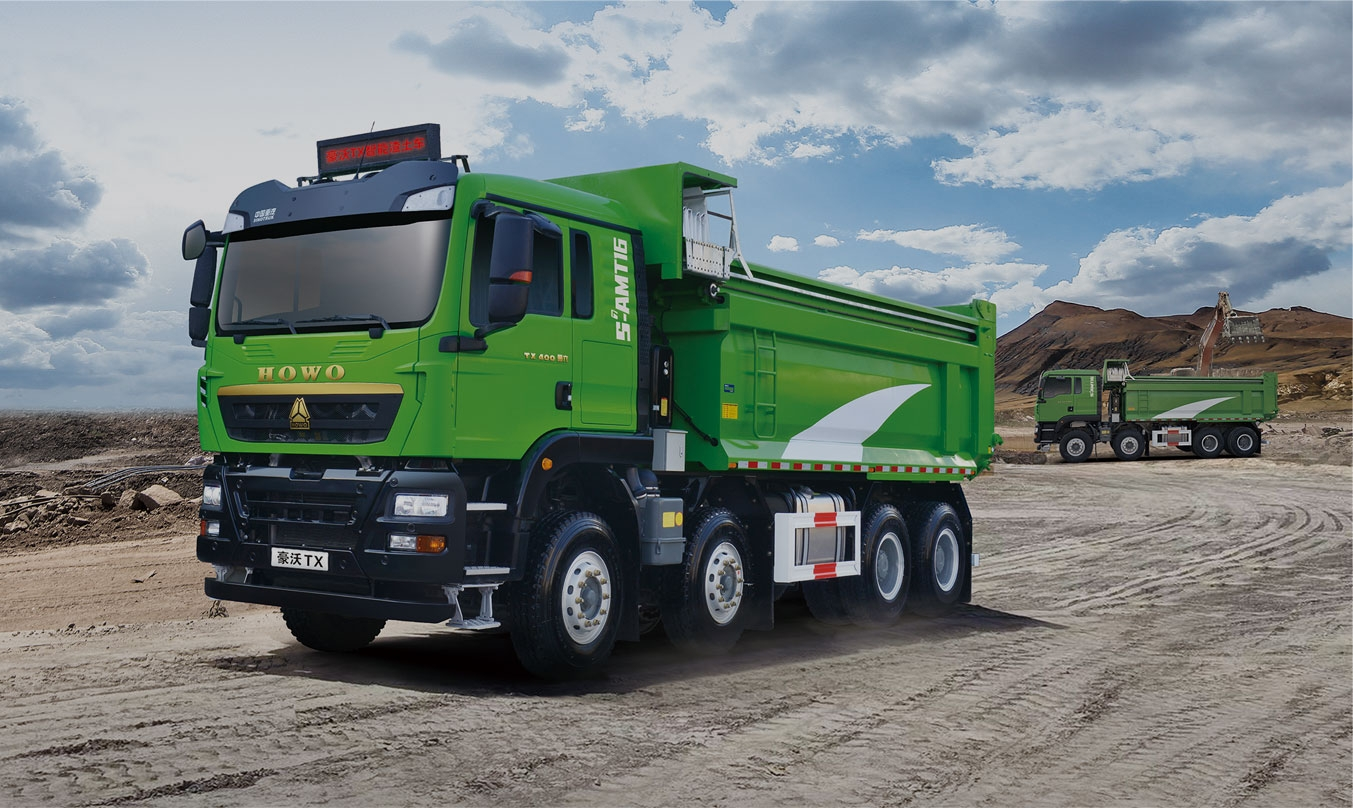
"Our HOWO dump trucks have proven incredibly reliable in harsh construction environments, with excellent load capacity and minimal downtime."
SINOTRUK HOWO series meets international quality and safety standards:
International quality management system certification ensuring consistent product quality.
European safety standard for cab strength and occupant protection.
Compliance with the latest Chinese emission regulations.
Standard maintenance intervals are 15,000 km for oil changes and 30,000 km for comprehensive servicing, though this may vary based on operating conditions.
SINOTRUK offers a comprehensive warranty package including 24 months or 200,000 km coverage (whichever comes first) for the base vehicle and 12 months or 100,000 km for specific components.
HOWO trucks offer comparable performance and reliability to European brands at a more competitive price point, with lower maintenance costs and excellent parts availability.
Depending on model and operating conditions, HOWO trucks typically achieve 25-30 liters per 100 km, which is 5-8% better than industry averages for comparable vehicles.