When it comes to maintaining your Sinotruk Howo truck, few components are as critical yet often overlooked as the fan belt. This seemingly simple part plays a vital role in your truck's cooling system, directly impacting engine performance and longevity. For Howo models equipped with the powerful WP10H, WD615, or the newer MC11 engines, ensuring your fan belt is in optimal condition is non-negotiable for reliable operation under heavy loads.
The primary function of the fan belt of Howo truck is to drive the engine cooling fan, which pulls air through the radiator to dissipate heat. On a typical Howo A7 or Howo T7 with a 440 horsepower engine hauling a 40-ton GCW, the cooling system is under constant stress. A failed belt can lead to rapid overheating, potentially causing catastrophic engine damage like a warped cylinder head or even a seized engine—a costly downtime event no fleet manager wants to face.
Not all fan belts are created equal. The correct belt for your specific Howo truck depends on the engine model and the accessory drive configuration. Common part numbers include 10PK2270 for certain WP10H setups. It's crucial to cross-reference your VIN or consult with a Sinotruk parts specialist to ensure a perfect match. A mismatched belt, even if it fits, can have the wrong tension requirements or rib profile, leading to premature wear and squealing.
You should inspect the fan belt of Howo truck regularly for these tell-tale signs of wear:
Replacing the fan belt is a straightforward task for a trained technician. Here's a practical overview of the process:
For optimal performance, check the tension of a new fan belt after the first 100 km of operation, as it will undergo an initial stretch. A properly tensioned belt should have about half an inch of deflection at the longest span between pulleys when pressed with moderate thumb pressure.
Beyond reactive replacement, proactive maintenance is key. Incorporate a visual and auditory inspection of the fan belt into your pre-trip checklist, especially before long hauls or demanding routes. Keep a spare fan belt in your truck's toolkit; it's inexpensive insurance against being stranded. Always avoid contamination from oil, coolant, or power steering fluid, as these chemicals rapidly degrade the rubber compound, leading to swelling and failure.
Understanding the critical role of the fan belt of Howo truck and adhering to a disciplined inspection schedule will ensure your cooling system operates efficiently. This directly protects your significant investment in your Howo truck, maximizes uptime, and maintains the engine's power and torque output for the demanding tasks it was built to handle.
When it comes to maintaining your Sinotruk Howo truck, paying attention to the fan belt for Howo truck is absolutely essential. As someone who has worked with these heavy-duty vehicles for over a decade, I can tell you that neglecting this component can lead to serious engine problems, unexpected downtime, and costly repairs. The fan belt, often referred to as the serpentine or drive belt, plays a critical role in powering multiple accessories like the water pump, alternator, and air conditioning compressor. For Howo truck owners and operators, understanding how to select, maintain, and replace this belt is key to ensuring optimal performance and longevity of your vehicle.
One of the first things I always emphasize is the importance of using genuine or high-quality aftermarket Howo truck fan belts. These belts are designed to withstand the rigorous demands of heavy-duty driving, whether you're hauling loads on highways or navigating challenging terrains. A subpar belt might save you a few dollars upfront, but it can wear out quickly, leading to more frequent replacements and potential damage to other engine components. From my experience, investing in a durable fan belt specifically engineered for Sinotruk Howo models pays off in the long run by reducing maintenance costs and improving reliability.
Regular inspection of your Howo truck serpentine belt should be part of your routine maintenance checklist. Here's a practical tip I often share with fellow technicians and truck owners: look for signs of wear such as cracking, fraying, or glazing on the belt surface. listen for unusual noises like squealing or chirping, which often indicate that the belt is loose or misaligned. Catching these issues early can prevent sudden failures that leave you stranded on the road. For those who operate in extreme conditions—whether it's scorching heat or freezing cold—I recommend checking the belt every 10,000 to 15,000 miles, as environmental factors can accelerate wear and tear.
If you're dealing with a fan belt replacement for Sinotruk Howo, it's crucial to follow the manufacturer's guidelines or consult a professional mechanic. The process involves relieving tension from the belt tensioner, removing the old belt, and installing the new one while ensuring proper alignment on all pulleys. I've seen many DIY attempts go wrong due to incorrect tensioning, which can cause premature wear or even damage to the tensioner itself. For Howo trucks, using a tension gauge to achieve the recommended tension is a best practice that I always adhere to in my workshops. This ensures that the belt operates efficiently without slipping or overloading the bearings.
Another aspect that deserves attention is the compatibility of the Howo truck drive belt with your specific engine model. Sinotruk Howo trucks come with various engine options, and each may require a slightly different belt size or type. I always advise cross-referencing the part number with your vehicle's VIN or consulting the official Sinotruk parts catalog to avoid compatibility issues. consider upgrading to reinforced belts if you frequently carry heavy loads or drive in stop-and-go traffic, as these conditions put extra stress on the belt and associated components.
Beyond replacement, understanding the role of the fan belt in Howo truck cooling systems is vital. This belt drives the water pump, which circulates coolant to prevent engine overheating. A failing belt can indirectly lead to overheating issues, which might cause severe engine damage if not addressed promptly. In my years of servicing these trucks, I've encountered numerous cases where a simple belt replacement resolved what seemed like complex cooling problems. whenever you notice symptoms of overheating, don't overlook the possibility of a worn-out or loose fan belt.
For those sourcing replacement fan belts for Howo trucks, I recommend purchasing from reputable suppliers who specialize in heavy-duty truck parts. Online marketplaces and local dealers often carry options, but always verify the product's authenticity and warranty. From a practical standpoint, keeping a spare belt in your truck's toolkit can be a lifesaver during long hauls, especially if you're traveling through remote areas with limited access to repair services. It's a small precaution that has helped many drivers avoid extended downtime.
remember that maintaining your Howo truck's fan belt is just one part of overall vehicle care. Regularly checking related components like the tensioner, idler pulleys, and coolant levels will help you get the most out of your belt and prevent unexpected breakdowns. If you're ever unsure about the condition of your belt or need assistance with replacement, don't hesitate to reach out to a certified Sinotruk service center. Their technicians have the expertise and tools to ensure everything is functioning as it should, keeping your Howo truck on the road and performing at its best.
If you're operating Sinotruk Howo trucks in Nigeria, understanding fan belt adjuster pricing is crucial for maintaining your fleet's performance. The cost typically ranges between ₦15,000 to ₦45,000 depending on several factors including model year, adjuster type, and supplier location.
From my experience servicing Howo trucks across Lagos and Kano, I've found that genuine Sinotruk parts generally cost 20-30% more than aftermarket alternatives but offer significantly longer service life. For the HOWO ZZ3257M3847J model, which is popular in Nigerian mining operations, expect to pay ₦28,000-₦35,000 for OEM adjusters at authorized dealerships in Port Harcourt or Abuja.
Several key factors influence fan belt adjuster price in nigeria:
For budget-conscious operators, I recommend exploring quality aftermarket options from reputable suppliers in Ikeja Auto Parts Market or Nnewi. These typically cost ₦15,000-₦22,000 but ensure you verify compatibility with your specific Howo engine model. Always request warranty documentation - reliable suppliers typically offer 3-6 month warranties even on aftermarket parts.
When installing new adjusters, remember that proper tensioning extends belt life by up to 40%. I've seen too many operators neglect this and end up replacing belts prematurely, ultimately increasing their howo truck maintenance costs nigeria. For optimal performance, check tension every 15,000 kilometers or during routine service intervals.
Pro tip: Establish relationships with suppliers who specialize in commercial vehicle parts. They often provide better sinotruk parts pricing nigeria for regular customers and can alert you about upcoming price changes due to shipping delays or currency movements.
Remember that the cheapest option isn't always the most economical long-term. Investing in quality adjusters prevents unexpected breakdowns that can cost significantly more in downtime and emergency repairs, especially when operating in remote areas with limited access to heavy duty truck mechanics.
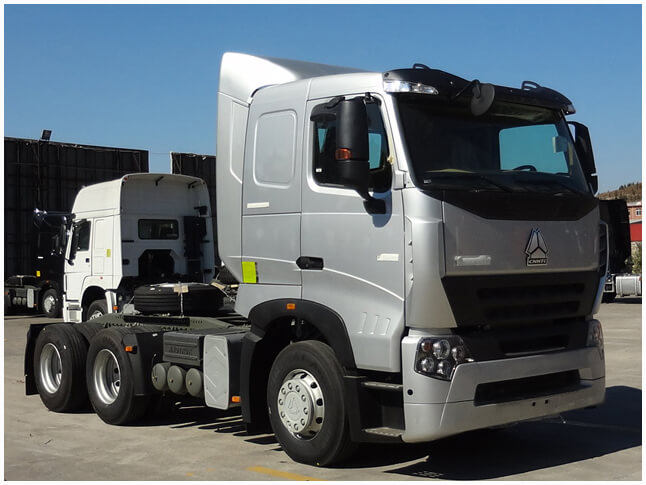
The SINOTRUK HOWO series represents the pinnacle of Chinese heavy-duty truck engineering, combining German MAN technology with superior manufacturing craftsmanship. Designed for exceptional performance, reliability, and economy, the HOWO series has become a preferred choice for logistics and transport operations worldwide.
Equipped with SINOTRUK's proprietary MC series engines, delivering up to 540 HP and 2500 N·m torque with excellent hill-climbing capability.
Comprehensive safety features including ABS+ASR+ESC, lane departure warning, and forward collision warning systems.
Four-point suspended cab, air-suspension seat, multifunction steering wheel, and automatic climate control for reduced driver fatigue.
Advanced SCR technology meets China VI emission standards with 5-8% lower fuel consumption than comparable models.
HOWO trucks excel in long-haul transportation with their fuel efficiency and driver comfort features, making them ideal for logistics companies.
Highway Line-haulWith robust frame structures and exceptional load capacity, HOWO trucks perform reliably in demanding construction environments.
Off-road Heavy loadReliable power systems and precise temperature control compatibility meet strict requirements for perishable goods transportation.
Refrigerated Temperature-controlledSINOTRUK HOWO incorporates cutting-edge technologies that set new standards in the heavy-duty truck industry:
Advanced driver assistance systems (ADAS) including adaptive cruise control, intelligent braking, and fatigue monitoring.
Real-time vehicle monitoring, remote diagnostics, and fleet management integration for optimized operations.
SINOTRUK HOWO series meets international quality and safety standards:
SINOTRUK HOWO trucks have gained international recognition and are operating successfully in diverse markets around the world:
Market leader in Southeast Asia with strong presence in Thailand, Vietnam, and Philippines.
Extensive service network across Africa with proven performance in challenging conditions.
HOWO models meet stringent European standards with growing presence in Eastern European markets.
"Our fleet of 20 HOWO T7H trucks has demonstrated 40% lower failure rate compared to our previous brand, with significantly better fuel economy that reduces our operating costs."
"The driver comfort in HOWO trucks is exceptional. The reduced fatigue on long hauls has improved our safety record and driver retention significantly."
"SINOTRUK's after-sales service network is comprehensive. Even in remote areas, we receive prompt technical support and parts availability."
"Our HOWO dump trucks have proven incredibly reliable in harsh construction environments, with excellent load capacity and minimal downtime."
SINOTRUK HOWO series meets international quality and safety standards:
International quality management system certification ensuring consistent product quality.
European safety standard for cab strength and occupant protection.
Compliance with the latest Chinese emission regulations.
Standard maintenance intervals are 15,000 km for oil changes and 30,000 km for comprehensive servicing, though this may vary based on operating conditions.
SINOTRUK offers a comprehensive warranty package including 24 months or 200,000 km coverage (whichever comes first) for the base vehicle and 12 months or 100,000 km for specific components.
HOWO trucks offer comparable performance and reliability to European brands at a more competitive price point, with lower maintenance costs and excellent parts availability.
Depending on model and operating conditions, HOWO trucks typically achieve 25-30 liters per 100 km, which is 5-8% better than industry averages for comparable vehicles.